
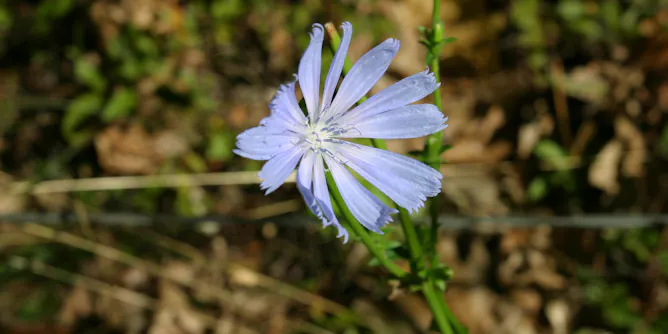
Journals, museum collections and other historical sources can provide valuable data for modern ecological studies. But just because a source is old doesn’t make it useful.
Articles on Natural history
Displaying 21 - 40 of 58 articles

Children often aren’t aware of how much has been lost in recent generations.
Scientists have been using art to illuminate and share their research with the public for centuries. And art could be one way to bolster K-12 science education and scientific literacy in the public.
A new study suggests lynxes were in Britain as recently as the 18th century.
Wildlife television as we know it was constructed around Attenborough. Take him away and the whole thing needs to be reinvented.
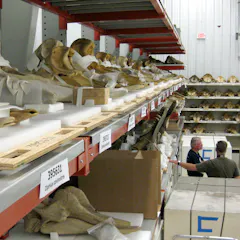
Specimen preservation means researchers don’t need to reinvent the wheel each time they ask a new question, making it critical for the advancement of science. But many specimens are discarded or lost.
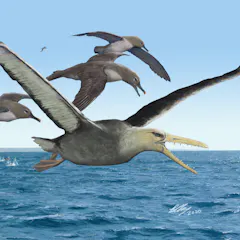
Paleontologists have discovered fossil remains belonging to an enormous ‘toothed’ bird that lived for a period of about 60 million years after dinosaurs.

The revamped citizenship test would include questions focused on “Australian values”. But why not ask prospective Australians to show an understanding of our ancient landscape and unique species too?
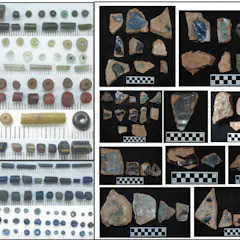
Africa has always contributed to global technological breakthroughs and economic systems.
New research has pinpointed the genetic boost behind one of the biggest transformations of life on Earth.

New research suggests that Earth’s oxygenation didn’t require difficult and complex evolutionary leaps forward.
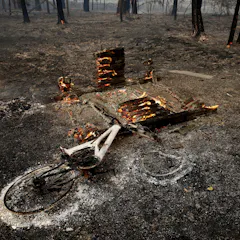
Living in a bushfire-prone area means every decision - from plants to parking spots to holidays - is shaped by fire risk. We live and die by the advice we are given, and the advice we ignore.
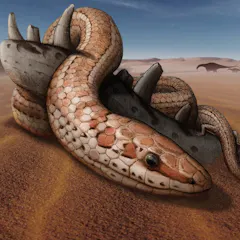
The discovery of a perfectly preserved snake skull fossil answers many questions about the evolution of snakes from lizards.
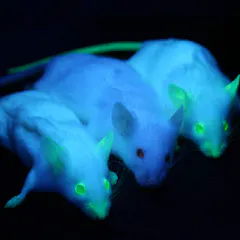
Human changes to the living world have benefited us, but the ecological consequences are mounting.

Museums’ collections are a priceless resource for scientists, but they’re not easy to access. Digitizing specimens – like the 700 bat skulls the author studied – is a way to let everyone in.

The life-or-death drama of the lion pride will captivate viewers, but the show may not go on without funding to conserve these species.

A tiny percentage of museums’ natural history holdings are on display. Very little of these vast archives is digitized and available online. But museums are working to change that.
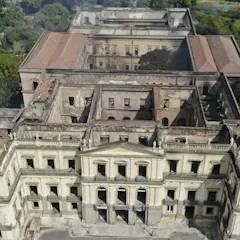
It’s a comforting falsehood that once an artifact joins a museum’s collection, it’s safe for eternity. Museums face many foes in the fight to preserve – a lack of funds might be the biggest.
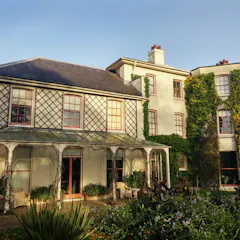
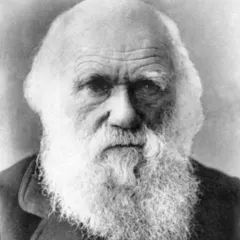
Was Darwin inspired by the tropical wildlife of his travels to discover natural selection? Actually, pigeons, worms and barnacles were far more prominent in his thinking.
Strange frond-like sea creatures are among the planet’s earliest animals, but new research dates them and the entire animal kingdom to much earlier than first thought.
Top contributors
-

Assistant Director of the University Museum of Zoology, Cambridge, University of Cambridge
-
Professor of Evolutionary Biology and Science Engagement, University of East Anglia
-
Head of Department, Science and Technology Studies, UCL
-
Professor of History, UMass Amherst
-
Associate Research Professor of Anthropology, University of Colorado Denver
-
Senior Lecturer in Psychology, Centre for Research in Animal Behaviour, University of Exeter
-
Collection Manager of Entomology, Australian Museum
-
Postdoctoral Fellow, University of California, Davis
-
Reader in Paleobiology, Curator of Palaeontology, Sedgwick Museum of Earth Sciences, University of Cambridge
-
PhD Candidate in Biological Sciences, University of Cambridge
-
Chancellor's Fellow in Vertebrate Palaeontology, University of Edinburgh
-
Professor of Ecology, Evolution, and Behavior; Director, Institute on the Environment, University of Minnesota
-
Senior Collections Manager at McGuire Center for Lepidoptera & Biodiversity at Florida Museum of Natural History, University of Florida
-
Research Assistant Professor of Psychology, University of Tennessee
-
Professor of Paleontology and Director of the University of California Museum of Paleontology, University of California, Berkeley