
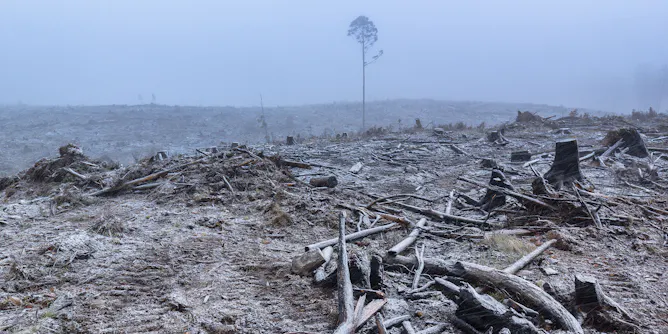
There’s no economic or environmental case for native logging. Yet taxpayer money is still being used to support it.
Articles on Native forests
Displaying all articles

The science is clear: burning forest material for energy produces lots of carbon emissions.
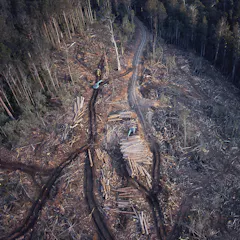
What do Australia’s new nature laws mean for native forests? The reforms closed a loophole that stopped legal scrutiny of logging. But we need the full detail.
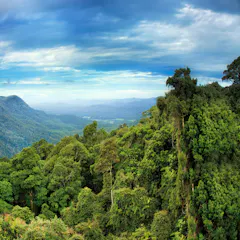
Australia cannot risk any further declines in its biodiversity resulting from harvesting native forests, or actions that bring further risks to its emissions-reduction goal.
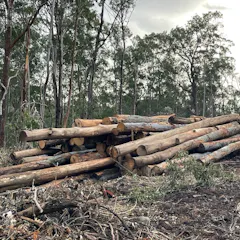
Shifting from native forest logging to sustainable plantations will help protect these essential forests and the many threatened species that depend on them.
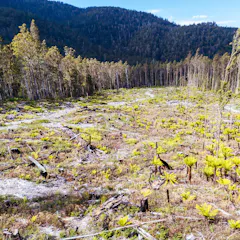
Two states have banned native forest logging, but it’s still happening in the others.
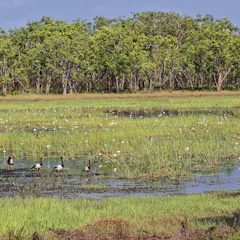
The end of native timber harvesting in Victoria offers a generational opportunity for First Peoples to care for Forest Country
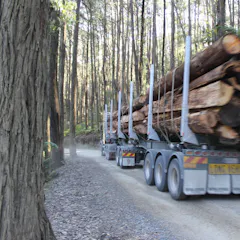
Victoria’s native forests will be free from logging by the end of the year. That’s big news for our threatened species and fragmented forests

Directing public funds to native forest logging is bad for the economy, the climate and biodiversity, and will increase bushfire risk.
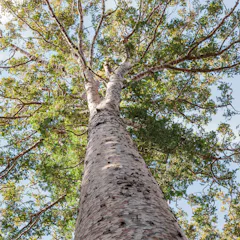
New Zealanders have planted just over a quarter of a billion trees, about half of it native species, as part of an effort to increase carbon storage.

Following scandals over illegal logging, and with an appetite for rare, old-growth wood, the guitar industry is rethinking its environmental footprint. Australian companies are leading the way.

They overlook a vast body of evidence that crown fire – the most extreme type of fire behaviour in which tree canopies burn - is more likely in logged native forests.
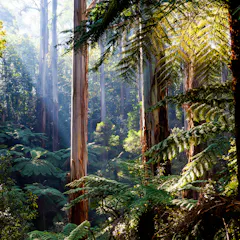
We counted the number of standard trees in Australia. It turns out that since 1990, we’ve actually been gaining trees faster than losing them.
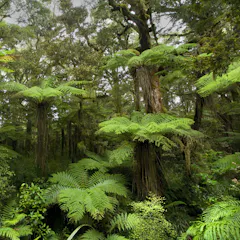
Plants live off carbon dioxide, but a higher level of the greenhouse gas in the air doesn’t necessarily lead to more biomass production.
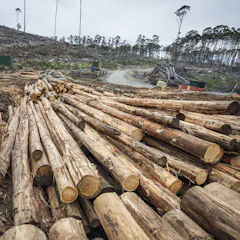
Victoria has some of the most carbon rich native forests in the world. And we’re cutting them down for short-lived wood products.
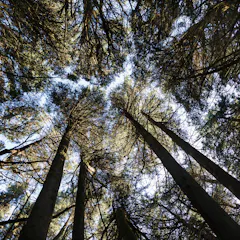
Planting more native forests could help mitigate the causes of climate change, but unless funding is closely tied to successful outcomes, such projects face the risk of failure.
Top contributors
-

Distinguished Professor of Ecology, Fenner School of Environment and Society, Australian National University
-
Director, Griffith Climate Action Beacon, Griffith University
-
Research Fellow, Fenner School of Environment and Society, Australian National University
-
Professor of Environmental Science, Auckland University of Technology
-
Senior Research Fellow in Ecology, Griffith University
-
Lecturer, School of Environment and Science, Griffith University
-
Professor in Conservation Science, School of the Environment, The University of Queensland
-
Research Associate, University of New South Wales, and Adjunct Associate Professor, Curtin University
-
University Fellow in Biodiversity, Charles Darwin University
-
Senior Lecturer in Social Sciences and Public Policy, Auckland University of Technology
-
Professor, Water and Landscape Dynamics, Fenner School of Environment & Society, Australian National University
-
Senior Lecturer, School of Geography, Earth and Atmospheric Sciences, The University of Melbourne
-
Senior Lecturer in Economic Geography, University of Wollongong
-
Research fellow, Australian National University
-
Adjunct Associate Professor, Molecular and Life Sciences and ARC Centre for Mine Site Restoration., Curtin University