
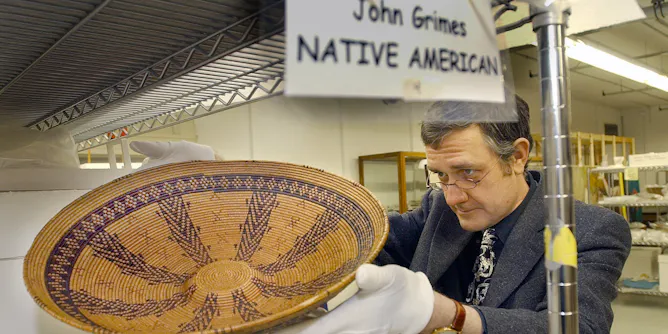
Congress passed a law in 1990 mandating the return of all Native American items that federally funded institutions took without consent. Progress since then has been slow.
Articles on Native American Graves Protection and Repatriation Act
Displaying all articles
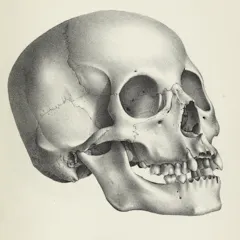
Marked with numbers, demographic information and provenance – though not name – these skulls tell a story of racist hierarchies but also diversity in the early United States.
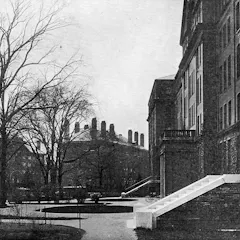
Proposed legislation would identify and protect African American cemeteries. But it wouldn’t cover the remains of thousands of Black people in museum collections.

Mining companies and some heritage consultants don’t understand the sacredness attached to ancestral remains, and the meaning of land in African communities.
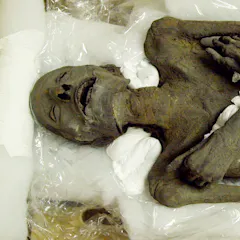
Are DNA samples today’s version of the human skeletons that hung in 20th-century natural history museums? They can provide genetic revelations about our species’ history – but at an ethical price.
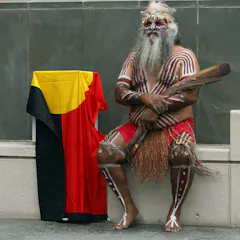
The question of repatriating objects is clearly more complex than returning human remains. It needs more debate, and more creative interventions to move beyond the current impasse.
Top contributors
-

Associate Research Professor of Anthropology, University of Colorado Denver
-
Sir John Monash Distinguished Professor, Monash University. Deputy Director ARC Centre of Excellence for Indigenous and Environmental Histories and Futures, Monash University
-
Doctoral Student in Anthropology, American University
-
Senior Curator of Australian and First Nations Art, National Gallery of Victoria, The University of Melbourne
-
Researcher, University of the Witwatersrand
-
Professor of Anthropology, University of Miami
-
Associate Professor of Native American and Indigenous Studies, San José State University