
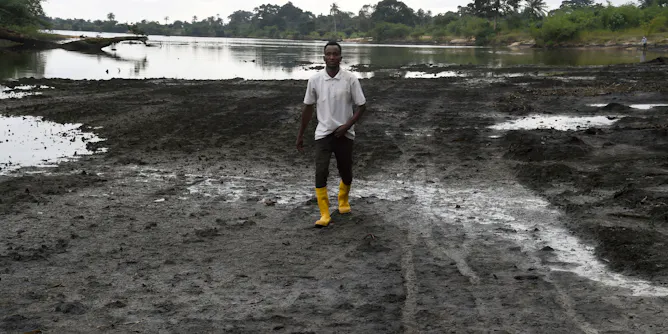
South Africa and Nigeria promised to reduce greenhouse gas emissions from oil and coal. But instead they’re planning to increase production of fossil fuels.
Articles on Nationally Determined Contribution
Displaying 1 - 20 of 27 articles
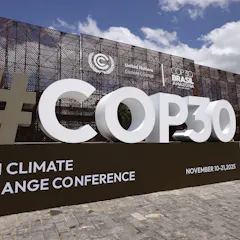
Proposed changes to New Zealand’s landmark climate law amount to a “soft renege” on the Paris Agreement, with potentially significant consequences for the economy.
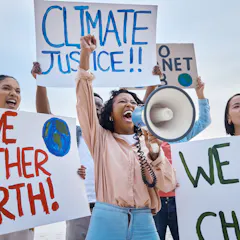
The window of opportunity to limit global warming to 1.5°C is closing. Here’s how countries can be held to account with climate targets.
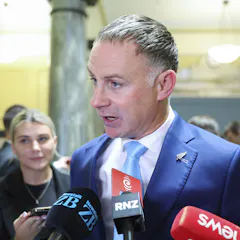
New Zealand justifies its weakened climate policies as necessary to boost the economy, but it may come at a cost to international trade.
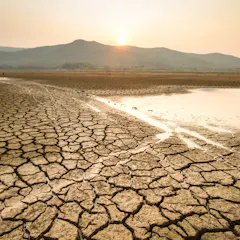
Planet Earth is living on borrowed time, a new global report reveals. The world must stop burning fossil fuels now and take urgent steps to reduce global warming.
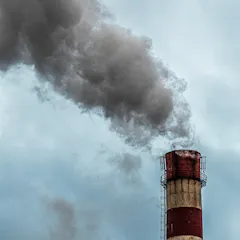
The low submission rate undermines the global commitment to climate action.
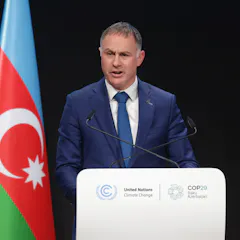
Does the government’s recent pledge to step up emissions cuts by as little as 1% really represent New Zealand’s ‘highest possible ambition’ to combat climate change?
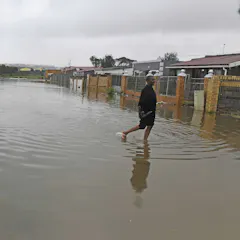
Sub-Saharan African countries should be given more financial and technical support to cope with climate change disasters, so that they can continue to spend funds on economic development.
Climate scientists call for global leaders to double down on efforts to cut emissions with their full attention and unwavering commitment at the UN’s climate summit, Cop29.
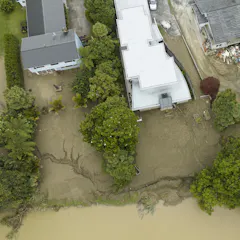
The government’s priorities are shifting towards adaptation to protect communities, jobs and industries. But the longer we wait to cut emissions, the more the costs of climate change will compound.
Research shows prominent individuals can influence the rest of us.
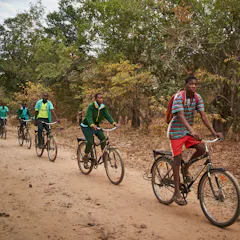
Zimbabwe’s climate action plan is on track to check emissions and promote development. Other countries can learn from it.

On the tail of yet another year of climate disasters, 2022 ushers in the final version of the Paris Agreement, making it a functioning global climate treaty. But it alone can’t save us.
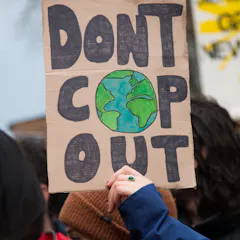
Strengthen commitments to reduce emissions by 2030, redouble efforts to raise climate finance and junk fossil fuel subsidies.
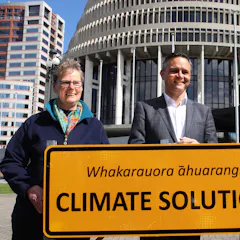
New Zealand’s international pledges, domestic laws and carbon budgets run on different timelines. They could be better aligned to make sure everyone understands how Aotearoa plans to cut emissions.
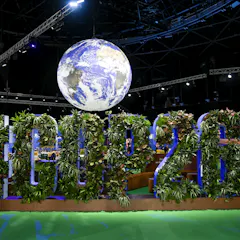
COP26 resulted in new climate commitments from countries across the world - here’s what they could mean for our future.
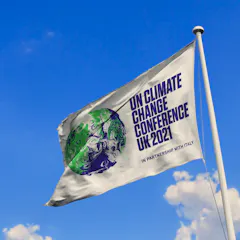
Uncertainty about carbon market rules will be problematic for New Zealand, given its reliance on overseas carbon trading to meet its new climate pledge.
In Paris, the French drafted ambitious texts and dared the biggest emitters to oppose it. In Glasgow, it’s the least developed countries which will have to do the most work.
New Zealand has announced a more ambitious pledge to cut emissions, but the commitment relies on buying credits from offshore. There is no system for doing this yet, or for ensuring genuine cuts.
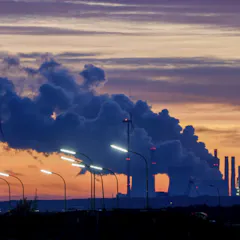
A global emissions-credit trading system could bring an end to the production of coal-fired electricity, spur innovation and help countries meet their greenhouse gas emissions goals.
Top contributors
-

Associate Professor of Law, University of Waikato
-
Professor in Applied Mathematics, Te Kunenga ki Pūrehuroa – Massey University
-
Professor of Physical Climate Change; Director of the Priestley Centre for Climate Futures, University of Leeds
-
Lecturer in Blue Carbon, Edinburgh Napier University
-
EY Distinguished Scholar in Global Mining Futures, University of British Columbia
-
Doctoral Researcher in Climate Change Governance, University of Waikato
-
Professor of Political Economy, University of Sheffield
-
Former Visiting Fellow, SPRU, University of Sussex Business School, University of Sussex
-
Postdoctoral Research Fellow in Atmospheric Science, University of Leeds
-
Canada Research Chair in Climate Change and Health, University of Alberta
-
Senior Scientist and Equitable Transitions Program Director, Stockholm Environment Institute
-
Graduate Research Assistant, Public Policy and Global Affairs School, University of British Columbia
-
Senior Scientist, Stockholm Environment Institute
-
Assistant Professor, Health Sciences, Wilfrid Laurier University; CGIAR
-
Research Fellow, Stockholm Environment Institute York Centre, University of York