

After topping a record US$40 trillion, US national debt looks set to climb further.
Articles on National debt
Displaying 1 - 20 of 33 articles

The founder of Americans for Tax Reform emerged in the 1980s as the fiscal conscience of American conservatism and continues to wield influence.
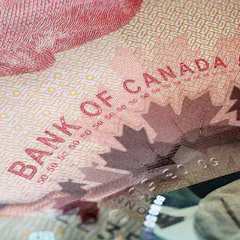
A heterodox school of economic thought known as modern monetary theory has significant implications for how Canadians understand public debt and deficit spending.

Wealthy foreigners will soon be able to buy permanent US residency for US$5 million.

Questions about the reliability of official data could raise doubts in investors’ minds about the risks of US Treasury bonds.

The important question in a democratic setting is who gets to pay taxes and how they connect to the well-being of its citizens.
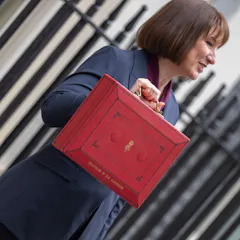
Chancellor Rachel Reeves has rewritten the fiscal rulebook but will this new approach to borrowing fuel growth, or is it a risky bet on Britain’s future?

Anura Kumara Dissanayake touted his victory as a ‘fresh start’ for the South Asian nation, two years after it came to the brink of economic collapse.

National debt can be beneficial and help countries grow their economies, but only if it’s managed properly. Too much debt can become burdensome and cause economic growth and investments to slow down.

A 2010 constitution offered Kenyans economic and social rights that have faded in the face of mounting national debt.
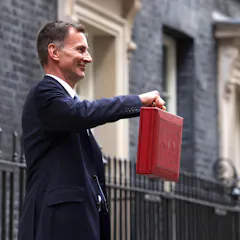
Can the chancellor move the dial on the Tories’ grim polling?

Most Americans see China as the biggest threat to the US. But away from headline economic figures, China has a slew of challenges.
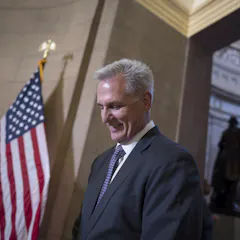
Congress passed and the president signed the deal just days before the US was expected to default on its debt.
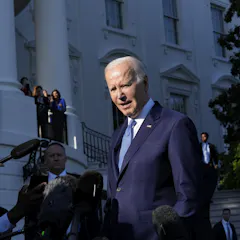
The deal would raise the ceiling for two years, cap some federal spending and impose new work requirements on certain federal benefits. It still needs the blessing of Congress.
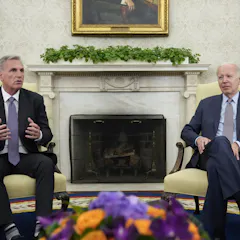
Brinkmanship means coming to the edge of potential default on the US debt ceiling. Are lawmakers negotiating the debt limit representing the wishes and interests of their voters?
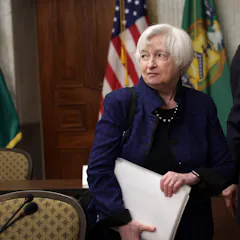
If the US fails to increase its debt ceiling by June 1, it could be forced into an embarrassing – and hugely costly – default on its obligations.
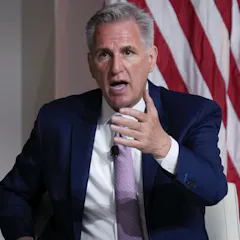
House Speaker Kevin McCarthy agreed to raise the debt ceiling – and avoid an unprecedented US default – but only if Democrats agree to freeze spending and agree to several other demands.

The collapse of a US bank is the latest crisis for central banks to deal with. But rather than being saviours of the global economy, what if they are actually a big part of the problem?

House Speaker McCarthy wants to put the US on a path to a balanced budget as debt ceiling negotiations begin with President Biden. Here’s why it won’t be easy to repeat what Bill Clinton accomplished.

The US spent $232 billion paying interest on the national debt in the first quarter of 2023 as the Fed jacked up borrowing costs.
Top contributors
-

Part-Time Professor of Economics, The New School
-
Deputy Chair of Business Administration, Touro University
-
Daniel Patrick Moynihan Senior Lecturer in Public Policy and Public Finance, Harvard Kennedy School
-
Associate Professor of Political Science, Northwestern University
-
Distinguished Fellow in Law and Government, Dickinson Law, Penn State
-
Professor of Economics, University of Georgia
-
Professor of Public Policy (retired), University of Virginia
-
Honorary Research Fellow, City Political Economy Research Centre, City St George's, University of London
-
Ph.D. Student in Public Policy, Harvard Kennedy School
-
Scientia Professor of Economics, UNSW
-
Chief executive officer, Grattan Institute
-
Director, Energy, Climate Justice, and Sustainability Lab, and Research Professor, New York University; Tufts University
-
Professor of Political Economy, University of Rome Tor Vergata
-
Associate, Grattan Institute
-
Assistant Professor of Business Economics and Public Policy, University of Michigan