
Coffee doesn’t just make you feel more alert. Here’s what else happens when you drink a cuppa.
Articles on Caffeine
Displaying 1 - 20 of 65 articles
If you love a late-night chocolate egg, you may struggle to sleep. A sleep expert explains why.
A compound your body makes after drinking caffeine is now appearing in drinks. But scientists are still studying how safe and effective it really is.

Two to three cups of coffee daily linked to lower dementia risk.

Pre-workout supplements are one of the most popular workout supplements on the market.

The material of your coffee cup matters more than you might think.
Your Halloween sweets might do more than cause a sugar rush. Some ingredients can interfere with medicines or trigger harmful reactions.

Caffeine has been found in more than 50% of samples of 258 rivers in 104 countries.

Fast, discreet and trending: caffeine pouches promise energy on demand. But here’s why they could be riskier than they might seem.
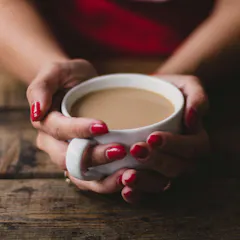
There’s not a lot of research on whether cutting down on caffeine makes our dreams more vivid. But that doesn’t mean we’re completely in the dark.
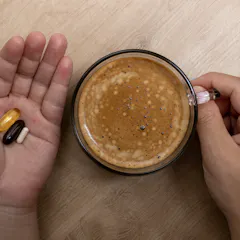
Caffeine can speed up digestion, block drug absorption and even raise your heart rate when mixed with certain medicines.

Around 67% of participants noted that changing their diet had a positive effect on pain.

Matcha is a powdered version of green tea. Here’s what the evidence says about whether it’s good for us.

From boosting energy to reducing the risk of developing chronic diseases, a few cups of coffee every day could be beneficial for your health.
People under the age of 18 should be banned from buying energy drinks. There is good evidence to support this measure.
Hint: the most common type actually works.

Sleep habits can be improved by making shifts in both daytime and evening routines.

Night matches at the Australian Open are a great spectacle, but sleep disruption is likely to wreak havoc even on professional athletes.

A growing body of research is finding a robust link between diet and sleep quality. But it’s not just the usual suspects like caffeine and alcohol that can get in the way of restful sleep.

Caffeine is the most consumed psychoactive substance globally.
Top contributors
-

Associate Professor in Pharmacy Practice, Kingston University
-
Senior Lecturer in Pharmacology, Adelaide University
-
Professor, Chemistry and Biochemistry, Laurentian University
-
Laureate Professor in Nutrition and Dietetics, University of Newcastle
-
Senior Lecturer, Nutrition and Food Science, Australian Catholic University
-
Sleep Researcher, Appleton Institute, HealthWise Research Group, CQUniversity Australia
-
Associate professor in Sport and Exericse Science, Birmingham City University
-
Clinical Affiliate, University of Sydney
-
Accredited Practising Dietitian and Lecturer, Southern Cross University
-
Professor of Community Health and Wellbeing, The University of Queensland
-
Program Director of Nutrition and Food Sciences, Accredited Practising Dietitian, Adelaide University
-
Scientia Professor of Ageing and Mental Health, Centre for Healthy Brain Ageing, UNSW
-
Associate Professor, Nutrition and Dietetics, Griffith University
-
Professor of Psychology, Edge Hill University
-
Senior lecturer in public health, Newcastle University