
Nanoparticles dressed up in cell membranes snag SARS-CoV-2 virus particles before they reach human cells.
Articles on Nanotechnology
Displaying 41 - 60 of 151 articles
We’re not powerless to change the future of food. Nature and technology can combine to nourish both the earth and its inhabitants.
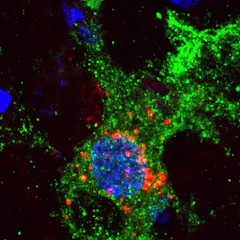
These tiny nanoparticles might provide a new way to see what’s happening in the brain and even deliver treatments to specific cells – if researchers figure out how to use them safely and effectively.

A nanotube innovation using waste plastic could help solve one of the world’s energy problems.

Nanoparticles are extremely tiny particles, with external dimensions smaller than 100 nanometres (0.0001 of a millimetre). Here’s what we know about nanotechnology in food.
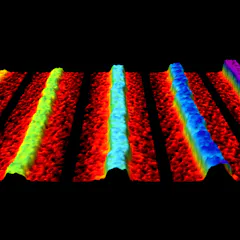
Phosphorene nanoribbons are like tagliatelle, but carry the potential to boost battery capacity by 50%.
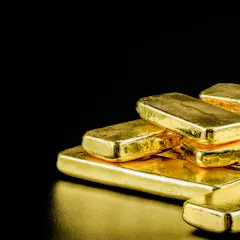
Gold is one of 12 confirmed elements on the periodic table whose discoverer is unknown.
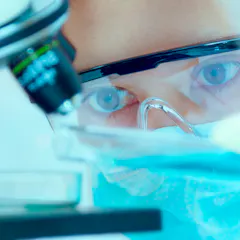
Nanotechnology and materials are the source of countless innovations, but we don’t accurately know how they are affecting humans and the environment.
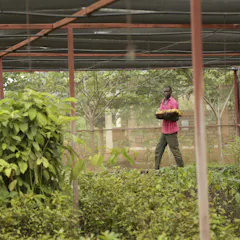
After declining for nearly a decade, the number of hungry people in the world is growing again. Climate change, which is disrupting weather patterns that farmers rely on, is a major cause.
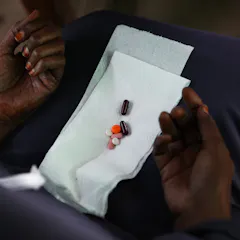
The reason that nanoparticles hold such hope for TB treatment is that they can be carefully targeted.
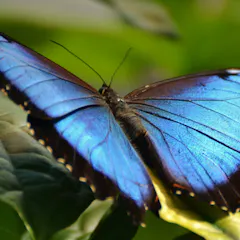
There are countless nanoscopic architectures in nature, creating iridescence, sticky feet, magnetic navigation – and more.
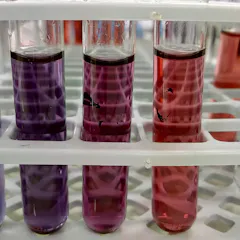
Nanotechnology brings together multiple science disciplines to create devices that mimic the refinements of nature. It’s difficult – and exhilarating.

Nanotechnology isn’t science fiction – you can find it in the latest TV screens, solar cells and tennis rackets.
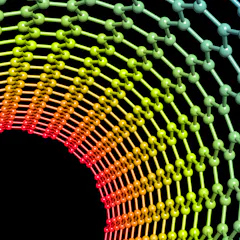
Last week, Elon Musk ‘called BS’ on nanotechnology. And it threw up an important question: just what is nanotech, and is it more hype than science?

A new pill may lower blood alcohol levels, helping a hangover and preventing alcohol overdose deaths.
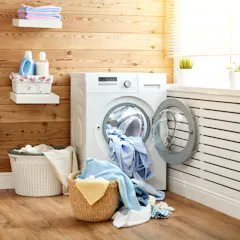
Many socks, towels and other textiles are treated with silver nanoparticles to kill germs and odors. When the silver washes out, it can pollute waterways. Two chemists propose a way to collect it from wastewater.
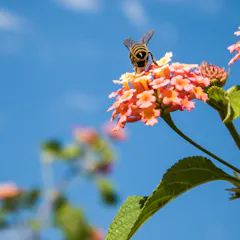
New research shows bees see a blue halo around flowers thanks to nanostructures on its petals.
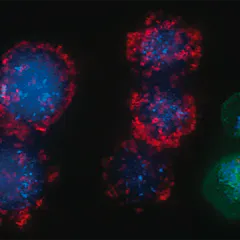
The more we learn about bio-nano science, the easier it will be to design nanoparticles that behave like we want them to.

Coating paper with an inexpensive thin film can allow users to print and erase a physical page as many as 80 times. That reduces both the cost and the environmental effects of paper use.
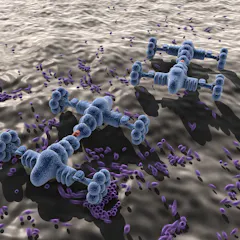
Once the subject of fantastical stories, nanoscience is now changing the world as we know it.
Top contributors
-

Professor of Advanced Technology Transitions, Arizona State University
-
Professor of Microbiology, Ladoke Akintola University of Technology, Ogbomoso
-
Associate Deputy Vice-Chancellor for Research Innovation and Entrepreneurship, RMIT University
-
Molecular Imaging Post-Doctoral Research Assistant, University of Hull
-
Director, ARC Research Hub for Safe and Reliable Energy, Deakin University
-
Postdoctoral Fellow, Nanotechnology, Carleton University
-
Reader in Polymers ad Nanomaterials, School of Pharmacy and Biomedical Sciences, University of Lancashire
-
Postdoctoral research associate, Cardiff University
-
Senior Professor, Australian Institute for Innovative Materials, University of Wollongong, University of Wollongong
-
Professor of Ecotoxicology, Leiden University
-
Project Manager, Swansea University
-
Faculty in Strategy and Innovation, University of Oxford
-
Senior Postdoctoral Research Fellow, Solid-state Physics, The University of Melbourne
-
Reader (Associate Professor), Queen Mary University of London
-
Assistant Professor of Chemical and Biological Engineering, University of Colorado Boulder