
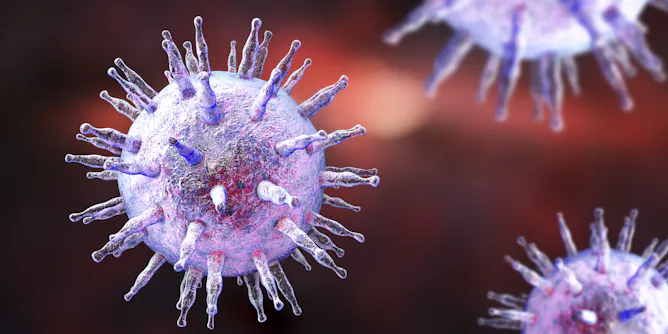
Epstein–Barr virus infects most adults. Understanding its role in Multiple Sclerosis could transform prevention and treatment in the future.
Articles on MS
Displaying all articles

Stress can trigger MS flare-ups, as Christina Applegate recently highlighted. Here’s why it happens, and what can help.

Neither welfare nor work is designed for people who are sometimes well and sometimes sick.

Our study provides new insights into the way that immune cells which fight a common virus behave in people with MS.

A growing body of evidence suggests the main driver of MS is an abnormal immune response to Epstein-Barr virus.

The prevalence of certain ancient genome in Northern Europe makes people prone to developing autoimmune conditions.

MS can be a challenging disease but a healthy, active lifestyle and medical therapies can help manage the symptoms – and offer hope to those living with the condition.
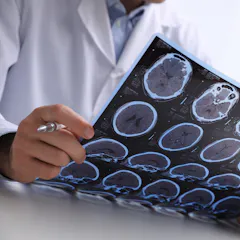
The causes of multiple sclerosis (MS) are complex, but recent research found Epstein Barr virus, the same virus that causes mononucleosis, is an environmental trigger for MS.

Better awareness of the disease has led to more testing, but there is also an ancestral element to explaining its proliferation in the UK’s far north.
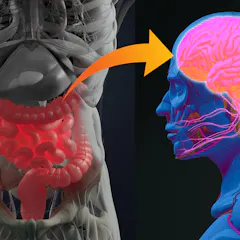
Our gut microbes play a key role in sending and receiving signals that influence the brain.
This antibody protects patients from viruses, even while on immunosuppressant drugs.

A promising new approach to treating MS tricks defective immune cells into thinking they are attacking the body, when they are in fact being attacked themselves.
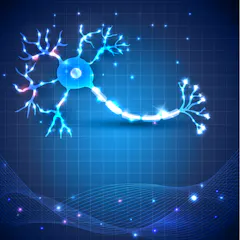
All multiple sclerosis sufferers have stem cells with the potential to heal them, but scientists are only just figuring out how to kick them into action.
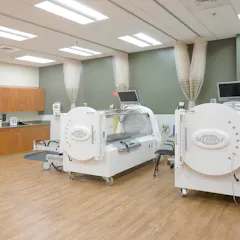
There is conflicting medical evidence.
Top contributors
-

MB/PhD Candidate, University of Cambridge
-
Professor in Occupational Therapy, Department of Health Studies, Royal Holloway, University of London
-
Clinical Senior Lecturer, Clinical Medicine, Trinity College Dublin
-
Profesor Antropología Física, Universidad Complutense de Madrid
-
Senior lecturer in Immunology, University of Exeter
-
Personal Chair (Clinical) Medical Genetics, University of Aberdeen
-
Associate Professor in Cognitive Neuroscience, Sheffield Hallam University
-
Associate Professor of Biology, University of Regina
-
Senior Lecturer , Manchester Metropolitan University
-
Assistant Professor, Department of Clinical Neuroscience, Karolinska Institutet
-
Research Associate in Immunology, University of Glasgow
-
Psychologist; Centre for Behavioural Science and Applied Psychology, Sheffield Hallam University
-
PhD Candidate in Neuroimmunology, University of Glasgow
-
Research Fellow, Institute of Cancer and Genomic Sciences, University of Birmingham
-
Associate Professor in Viral and Tumour Immunology, University of Birmingham