
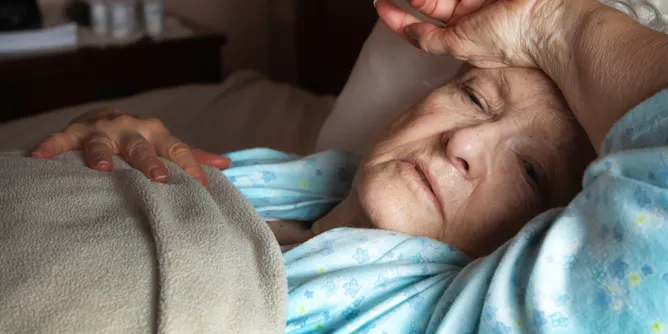
New research suggests that with high levels of vaccination and immunity from previous infections, COVID antivirals are no longer working as well.
Articles on Antivirals
Displaying 1 - 20 of 33 articles

It’s more than likely we’ll face another pandemic in the future. So what can we learn from COVID?

The researchers theorise the protective effects of these drugs could be because they reduce inflammation, control infections and improve overall brain health.

From the vaccine rollout, to hotel quarantine, to understanding the science of the virus, a range of experts look back at how Australia fared.
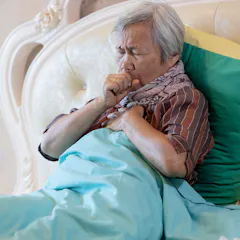
COVID antivirals are recommended for people aged over 70 and those at risk of severe illness. But many older Australians are missing out. Here’s why – and how to fix this problem.
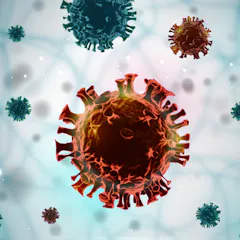
Emerging evidence suggests LB.1 could be more transmissible than earlier Omicron subvariants, but there’s nothing to suggest it will cause more severe disease.

Now there’s more speculation about US President Joe Biden’s health. But a COVID diagnosis in 2024 is nothing like one back in 2020, even for someone of his age.
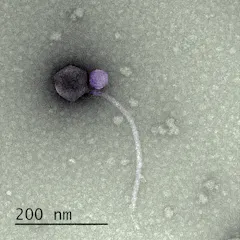
Researchers discovered a satellite virus latching onto the neck of another virus called MindFlayer. Studying the viral arms race between similar viruses could lead to new ways to fight infections.

The human body has been making antivirals for eons, long before scientists did. A protein in your cells called viperin produces molecules that work similarly to the COVID-19 antiviral remdesivir.

How are people with long COVID faring two years after their initial infection? Many have recovered. Some still struggle with symptoms – this is more likely for those who were initially hospitalised.

It can be difficult to an appointment to see your GP. So when should you make the effort to see a GP for a prescription for influenza antivirals? And how effective are they?
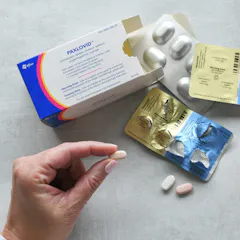
People in disadvantaged communities are less likely to access COVID antivirals. That needs to change.
We know from other viruses that viral fragments can remain in different tissues for months or even years. This could be the case for long COVID.

People with Down syndrome have an extra chromosome 21. Understanding the effects of those triplicated genes could help improve the health of those with Down syndrome and other medical conditions.

While RSV can become severe for any child, it poses a particularly serious threat for the youngest babies and for high-risk children.
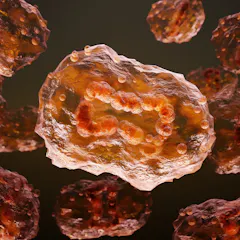
Declaring monkeypox a national health emergency will allow the U.S. government to direct resources and funds where needed to help slow the spread of the virus.

After taking Paxlovid for COVID and appearing to recover, some people – including US President Joe Biden – continue to test positive. What’s going on?

According to a letter from Biden’s doctor, the president has a runny nose, mild fatigue and a slight cough. The letter also noted that Biden began taking an antiviral drug the morning he tested positive.

If you do get COVID and you’re eligible for antiviral treatment, you’ll want to get them quickly. That’s why being prepared is a good idea.

After testing positive for COVID, your medicine prescription will depend on the severity of your symptoms and any other health conditions you have.
Top contributors
-

Assistant Professor of Infectious Diseases, University of Virginia
-
Director, Australian Living Evidence Collaboration; Professor (Research), School of Population Health and Preventive Medicine, Monash University
-
Associate Professor, Epidemiology, Deakin University
-
Professor of Biostatistics and Epidemiology, Adelaide University
-
Monash University
-
Director, Intensive Care Unit, Alfred Health; Professor, Epidemiology and Preventative Medicine, Monash University
-
Post doctoral researcher and medical epidemiologist, The Peter Doherty Institute for Infection and Immunity
-
Associate Professor and Research Leader in Virology and Infectious Disease, Griffith University
-
Distinguished Professor, Professor of Immunology, RMIT University
-
Adjunct Associate Professor of Epidemiology, University of California, Los Angeles
-
Research Fellow, Institute for Glycomics, Griffith University
-
Associate Professor of Comparative Effectiveness and Outcomes Research, University of Connecticut
-
Distinguished Professor of Pharmacy Practice, University of Connecticut
-
Griffith University
-
Senior Lecturer, University of Technology Sydney