
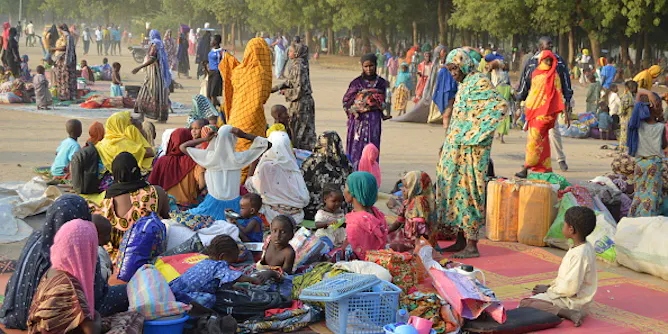
The failures of nominally elected governments has denied leaders - as well as the democratic system - a vanguard popular constituency.
Articles on Mozambique
Displaying 81 - 100 of 205 articles

Saponins from plants can destroy viruses and other microorganisms in the same way commercial soaps and detergents do.
Study shows that Mozambique 1992 peace agreement was never the success it was claimed to be. The country’s democracy remains weak.

The focus on building democracy should be on more intermediary outcomes, which can serve as building blocks for longer term democratic renewal.
The countries share related populations, economies, ecologies and epidemiologies. This interconnectedness highlights challenges and opportunities for more effective malaria control across the region.
A consequence of a warming world is prolonged dry spells and periods of drought that can lead to infectious diseases like cholera.

Detailed field notes can help researchers track down rare species.
CC BY-NC-ND12.2 MB (download)
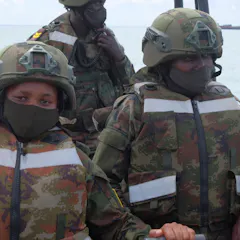
Why is Rwanda getting involved in Mozambique? What does the country stand to gain?
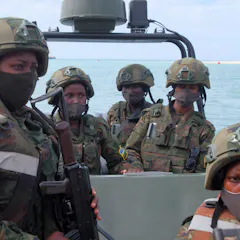
Rwanda’s military intervention in Mozambique’s war against Islamic insurgents has included a request that Mozambique rein in Rwandan opposition members on its soil
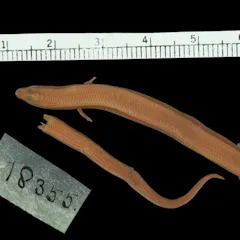
Species distribution data – or a lack thereof – can have a major bearing on how a country’s Key Biodiversity Areas and protected areas are designated.
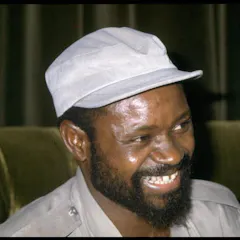
Frelimo, which governs Mozambique, has squandered the enormous political capital it enjoyed at independence. It now remains in power through violence, intimidation, harassment, and threats.

Colonialism, political turmoil and unmet citizen promises all lie behind the rise of attacks on foreign-run fossil fuel plants in Mozambique.

There is more support for democracy among African people than is often recognised. Yet this can be undermined by election rigging and is lower in countries like Lesotho, Mozambique and South Africa.

The development strategy based on foreign investment in natural resources projects has not delivered economic growth or security. What’s needed is an inclusive vision based on local realities.

The Southern African Development Community does not have a remarkable record of military interventions in civil conflicts in the region.

Intervention in Cabo Delgado is a potentially dangerous move with far-reaching consequences for SADC if its efforts fail, or it becomes a protracted intervention.
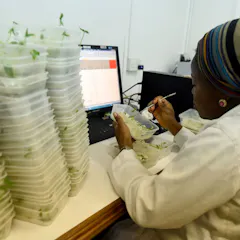
What’s needed is a prioritisation of the health and medicinal values of the food that’s consumed in African countries.
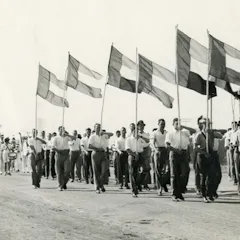
Following the war, the South African authorities were anxious to charge known war criminals, traitors and collaborators. But nothing came of it.

The conflict has put a temporary lid on plans that have been in the making for more than a decade since rich liquefied natural gas reserves were discovered in the Rovuma Basin.
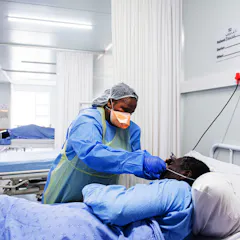
Where there are not enough health workers to deliver medical care, one solution is to move certain tasks to less specialised health workers, a process called task-shifting.
Top contributors
-

Senior Research Fellow, World Institute for Development Economics Research (UNU-WIDER), United Nations University
-
Professor of Physical Geography, University of the Witwatersrand
-
Professor at the PhD Course in Peace, Democracy, Social Movements and Human Development, Universidade Técnica de Moçambique (UDM)
-
Professor of African history, Queen's University Belfast
-
Professor of Political Science, Department of Political Studies and Governance, University of the Free State
-
Senior Director, Transformation Strategies Department, International Food Policy Research Institute (IFPRI), CGIAR
-
Research Fellow, World Institute for Development Economics Research (UNU-WIDER), United Nations University
-
Senior lecturer, Stellenbosch University
-
Lecturer, Lúrio University
-
Director of the Gothenburg Global Biodiversity Centre, University of Gothenburg
-
Professor of International Human Rights Law, Centre for Human Rights, and acting SARChI Chair in International Constitutional Law, University of Pretoria
-
Editor-in-Chief of the South African Journal of Science and Consultant, Vice Principal for Research and Graduate Education, University of Pretoria
-
Senior Lecturer in Human Geography and Environmental Studies, University of York
-
Professor of International Politics, SOAS, University of London
-
Research Coordinator, Security Institute for Governance and Leadership in Africa, Stellenbosch University