
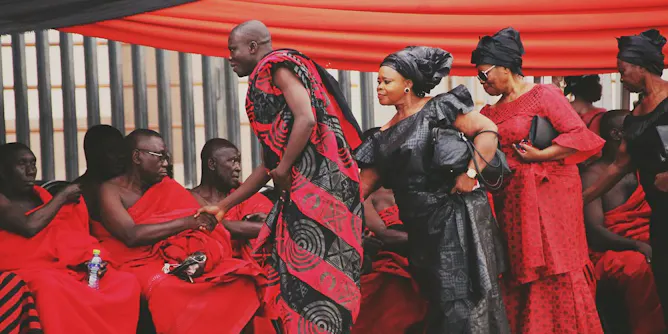
Gender plays a major role in how mourning is done by the Akan ethnic group of Ghana
Articles on Mourning
Displaying 21 - 40 of 56 articles
The three Roy children had a love-hate relationship with their father so losing him has thrown up some difficult feelings they may feel they have to ignore.
Children and the adults they become need to choose how they grieve. That may include sharing their experiences and getting angry.

When someone dies young, the grieving process can be more complicated.
Reflection Rooms support people making sense of experiences related to dying and death. They provide an immersive space to read stories written by others and write and share their own stories.

In the middle of the tremendous outpouring of love and grief for the Queen and the monarchy she represented, not everyone wants to take a moment of silence. And there are a lot of reasons why.
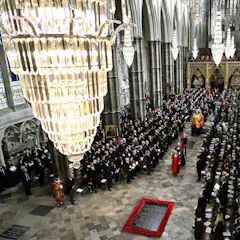
A scholar of British history explains how the ornate church and its significance to the monarchy have changed over centuries.
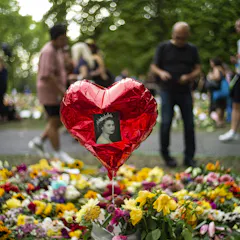
As words go, grief feels inadequate for describing public sentiment in the wake of the Queen’s death.
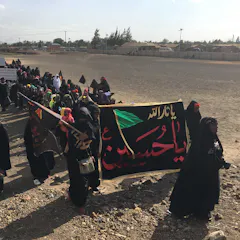
A variety of cultural performances evoking intense emotions occur during the Islamic month of Muharram. A scholar observed the processions on Ashoura in northern Tanzania.
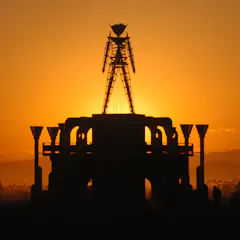
In Nevada, people create a makeshift city toward the end of summer and later burn it down. What’s behind this event, and what makes it meaningful?
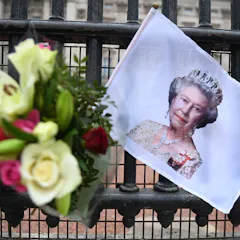
Grieving the queen’s passing can be different to grieving the loss of someone we were close to. It’s also complicated by politics, colonialism and the contest about who she really was.

COVID-19 deaths tend to be more unexpected and traumatic than other types of deaths. A sociologist explains the mental health burdens facing the millions who’ve lost a relative to the coronavirus.
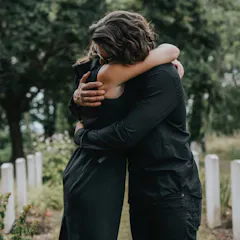
We have also lost moments of shared empathy – a space for others to see people who are travelling the same path.
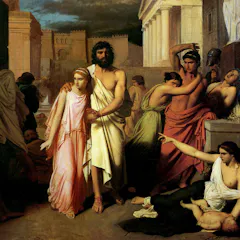
A scholar of Greek classics revisits the texts to bring lessons on how to honor the lives lost to the COVID-19 pandemic.
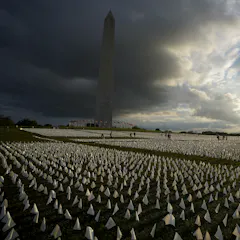
The Civil War – the second-most-deadly event in US history, just behind COVID-19 –contributed to lasting changes in how Americans care for the dead.
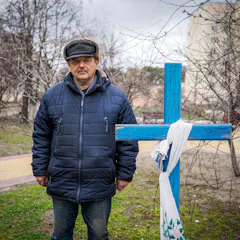
Ukrainian families’ anguish at not being able to bury their loved ones underscores a deep human need, an anthropologist writes.

Writing can help work through some of the emotions and boost wellbeing.
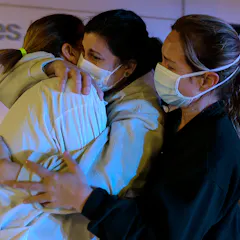
Many people are starting to celebrate the return to a pre-pandemic life. How does that feel to those who have suffered losses and are still grieving?

The rituals of ancient Greece – especially public performances of tragic plays – have remarkable resonance with the current moment.
While the world is dealing with the biggest health emergency in more than a century, the way people have reacted to the crisis is familiar and predictable.
Top contributors
-

Professor of Social Work, CQUniversity Australia
-
Professor of Classical Studies, Brandeis University
-
Associate Professor of Anthropology and Psychological Sciences, University of Connecticut
-
Lecturer in Sociology, Deputy Director of the Centre for Ageing and the Life Course, University of Liverpool
-
Reader in Education with Psychology and Centre for Death and Society, University of Bath
-
Lecturer in Global Media Management, University of Southampton
-
Lecturer of Folklore, Indiana University
-
Honorary Research Fellow in the School of Culture and Communication, University of Melbourne, The University of Melbourne
-
Associate Professor of Sociology, Purdue University
-
Professor, English and Cultural Studies; Director, Centre for Global Peace, Justice and Health, McMaster University
-
Associate Professor in Psychology, University of East Anglia
-
PhD student, School of Public Health Sciences, University of Waterloo
-
Professor of Media Studies, University of Virginia
-
Senior Lecturer in Psychology, University of East Anglia
-
PhD student at Centre for Death and Society (CDAS), University of Bath