

The threat of COVID may be receding, but the fall-out will continue to affect business in the coming year, requiring strong leadership to navigate uncertain times.
Articles on Motivation
Displaying 41 - 60 of 98 articles
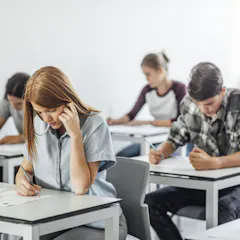
Motivation plays a large part in educational success. Of students who sat the PISA test in 2018, 73% indicated they would have put in more effort had the scores counted towards their school marks.
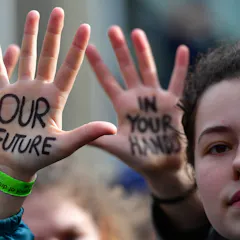
To learn to be more proactive, start by viewing yourself as someone who cares about the environment and the future.
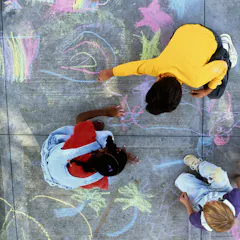
Art classes and STEM toys are nice, but there are simple and free ways parents can encourage their child’s creativity – or keep it from getting squashed.
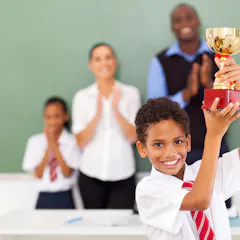
For a learner to be the best and to win awards, their peers must lose. This expense is far too great to ignore in a country fraught with inequalities.
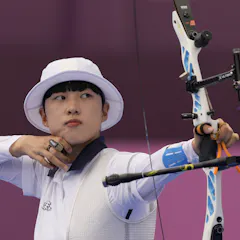
Simone Biles’ recent Olympics withdrawal is a reminder for all of us to balance our passions with our emotional well-being — as both work in unison.

International students are a vulnerable population who have faced many stressors in the COVID-19 pandemic. Emotional intelligence can help navigate these.

The motives and biases behind our actions shape how we see the world and everything in it. Understanding our biases means we can contain their negative influence and advance justice in our society.

After more than a year of idealizing life without COVID-19, people are starting to reenter ‘normal’ life. Clinical psychology provides guidance on how to prepare for your post-pandemic reboot.

5 ways to use use what you know to bring new challenges within reach.

In order to keep students honest, research suggests that educators should focus on what’s driving them to learn in the first place.
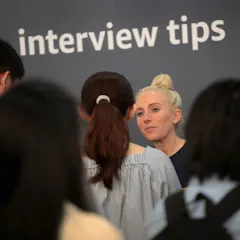
The excitement or stress experienced by candidates can energize them and increase their chances of success, according to a new study.

When setting a new year’s goals, look closely at the reasoning behind it. Is it something you want to do, or think you should? The answer can help predict the outcome.

During the early stages of the pandemic, people adapted to changing situations by making new and different choices. But how did they make these decisions? Motivation theory can explain the process.

We need to revive teachers’ sense of satisfaction in their jobs.
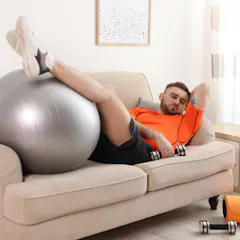
Focus on “being” an exerciser, instead of seeing exercise as something you “should” do.
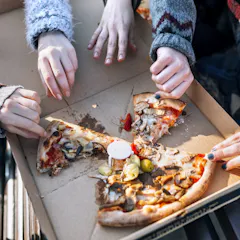
Unfairness alone is upsetting enough to drive people to punish lucky recipients of unfair outcomes.

Working from home in the long run could be better for your health, or it could also be worse. It depends on how your employer supports you.

A team of researchers developed an app to study whether the pandemic would cause our internal clocks to go haywire.
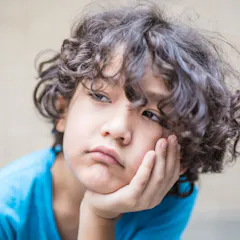
People hate boredom. Some would rather get a painful shock than sit in a room with nothing to do for 15 minutes. But boredom spurs us on to create and can help focus our attention.
Top contributors
-

Lecturer in Languages Education, University of Sheffield
-
Professor of Psychology and Education, USC Dornsife College of Letters, Arts and Sciences
-
Professor in Social & Health Psychology, Durham University
-
Adjunct Lecturer of English and Technical Communications, Missouri University of Science and Technology
-
Adjunct assistant professor, Education, Queen's University, Ontario
-
Professor Emeritus of Organizational Behavior, University of Virginia
-
Associate professor, University of Sydney
-
Professor of Legal Studies and Business Ethics, University of Pennsylvania
-
Associate Professor of Educational Psychology, The University of Texas at Austin
-
Professor of Business Administration, Harvard University
-
Associate Professor of Sociology, Dartmouth College
-
Assistant Professor of Management and Organizations, Northwestern University
-
Associate Professor of Psychology, Michigan State University
-
Senior lecturer, Brunel University of London
-
Associate Professor of Communication and Social Behavior, Cornell University