

While science journalism layoffs pile up and publications shutter, more science communication than ever is available via other online venues.
Articles on Moral panic
Displaying 1 - 20 of 36 articles

In That Book is Dangerous! author Adam Szetela argues we exist in a ‘Sensitivity Era’ and publishing is paying the price. Is he right?

From the Salem witch trials to McCarthyism and Charlie Kirk’s killing, an exaggerated fear of a particular group has resulted in repression from liberals and conservatives.

From demon-possessed killers to charismatic cultists, it can sometimes seem as though South Africa is at war with evil itself.

Create a moral panic. Blame it on certain people. Commence monitoring. Deploy droves of security agents. Detain or remove the targets. Sound familiar?
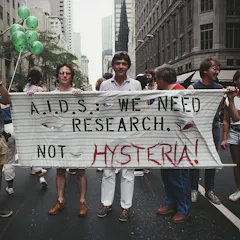
The nascent LGBTQ+ rights movement and the Christian right each strongly shaped the early years of HIV/AIDS, a historian explains.
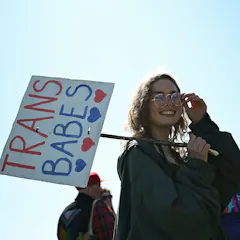
In her new book, Who’s Afraid of Gender?, feminist philosopher Judith Butler explains how gender and sex are socially constructed, while fighting critics who see gender as a threat to the social order.
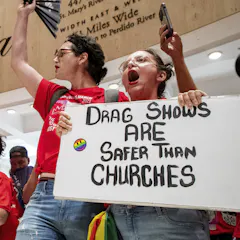
There is also a long history of using paedophilia and ideas about child grooming in homophobic and transphobic ways to oppose the recognition of the civil rights of LGBTIQA people.

Hand gestures are notoriously prone to misinterpretation.

History shows there is no magic bullet for solving gang crime. Only an evidence-based approach, coupled with mutually agreed targets and indicators, will start to achieve real change.

Livelihoods which communities have relied on for centuries are being criminalised by heavy-handed state restrictions.

Fears that TikTok is “serving up” drug content to impressionable users have prompted calls for all drug content to be censored on the platform. But that would remove useful health advice too.

The QAnon conspiracy movement is the latest in a long line of moral panics that emerge as a response to change. False theories are used to undermine claims to social justice raised by marginalized groups.

Framing cats as responsible for declines in biodiversity is based on faulty scientific logic and fails to account for the real culprit – human activity.
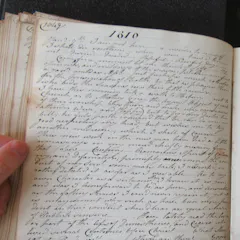
Matthew Tomlinson deplored the execution of a naval surgeon for sodomy, writing that the death penalty was cruel and unfair.

Exotic and sensational depictions of Chinese “wet markets” may prevent a proper and efficient understanding of how viral diseases emerge.
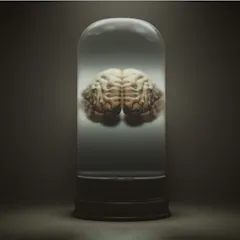
We worry about AI developing consciousness, but brain organoids may be more likely to do so.

Somewhere between the early Buddhist times and today, worries about game addiction have given way to scientific understanding of the benefits of play, rather than its detriments.

A new study suggests LGB teachers in rural schools far likelier to have depression or anxiety than those in towns or cities.

Demands for regulation of media violence reached a fever pitch after RFK’s assassination, and networks scrambled to insert more kid-friendly fare into their lineups. Enter: the Mystery Machine.
Top contributors
-

Senior Lecturer of Addiction, Edith Cowan University
-
Knight Chair in Interactive Media; Associate Professor of Communication, University of Miami
-
Associate Professor of Communication Studies, West Virginia University
-
Deputy Director, The Kids Research Institute Australia, Professor of Autism Research, The University of Western Australia
-
Senior Lecturer in Contemporary British and American History, Bath Spa University
-
Postdoctoral Researcher, University of Wisconsin-Madison
-
Lecturer in Gender Studies, School of Arts and Social Sciences, Monash University Malaysia
-
PhD candidate, Queensland University of Technology
-
Adjunct Research Fellow, Swinburne University of Technology
-
Founder of PAN Works and Research Scientist at the Marsh Institute, Clark University
-
Associate Professor of Religious Studies, Texas State University
-
Associate Professor in History, La Trobe University
-
Director, UWA Public Policy Institute, The University of Western Australia
-
Professor of Modern European History, Carleton University
-
Research Associate, Center for Gender and Sexuality Studies, Universitas Indonesia