
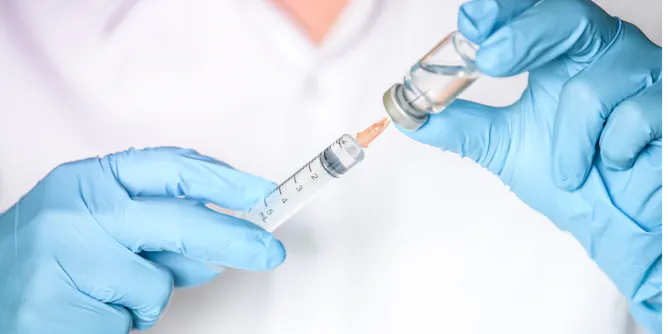
Chronic weaknesses in our global vaccine manufacturing and distribution systems may broadly be to blame.
Articles on Monkeypox
Displaying 21 - 40 of 53 articles
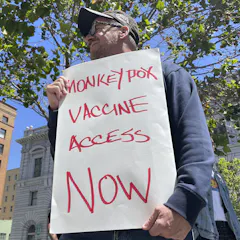
Some of the sexual moralising we saw with HIV is still with us. That makes it harder for men who have sex with men to come forward for vaccines and testing.
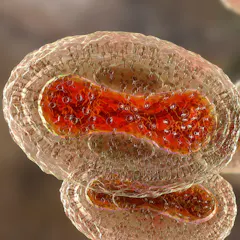
The right public health measures can be very effective at curbing the virus’s spread – if executed properly.
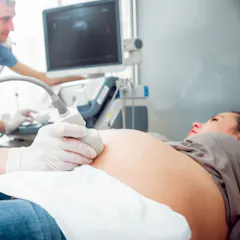
There are no known cases of women infected with monkeypox during pregnancy within Australia to date, but there are such cases in the UK and US.

While the majority of monkeypox cases thus far have been recorded among men who have sex with men, everyone is still at risk of contracting the disease.
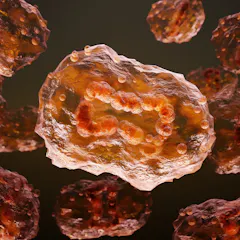
Declaring monkeypox a national health emergency will allow the U.S. government to direct resources and funds where needed to help slow the spread of the virus.
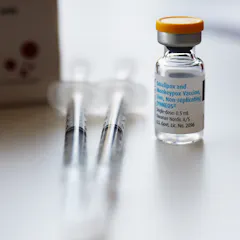
There are two approved monkeypox vaccines in the US. Both use a related poxvirus called vaccinia to produce an immune response that protects against smallpox and monkeypox.
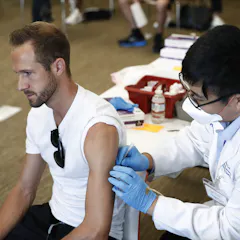
The third-generation vaccine has fewer potential side effects than second-generation vaccines and can be safely given to people with weakened immune systems.
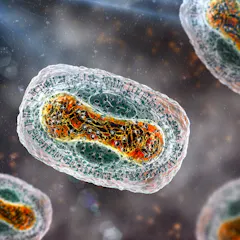
How it spreads and how to protect yourself.
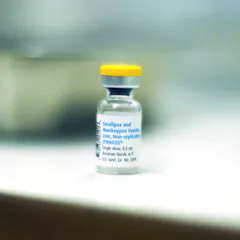
Most cases in the current global outbreak are occurring among men who have sex with men. So how can this group and others who are at risk protect themselves?
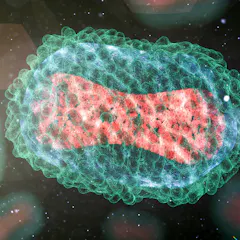
By late July 2022, monkeypox was present in more than 70 countries with significant spread in certain communities. As a result, the World Health Organization began taking steps to fight the virus.

To control monkeypox, there is a short window — weeks, not months — in which to vaccinate the most susceptible and to encourage and support self-isolation for those who have symptoms.
Cases may be stabilising but this could be the dip before a new wave.
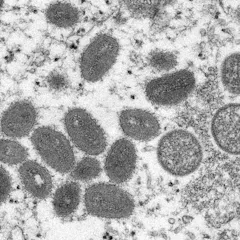
The monkeypox virus, which is commonly found in West and Central Africa, is now causing many infections in the U.S., Europe and Latin America.

Monkeypox has spread to more than 50 countries and will continue to be monitored. Here’s what we know about monkeypox so far and what researchers want to find out.
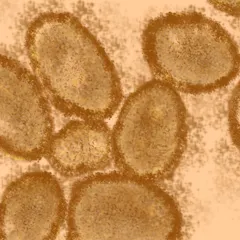
Monkeypox may not churn out variants at the rate of SARS-CoV-2, but that doesn’t mean we can rest easy.
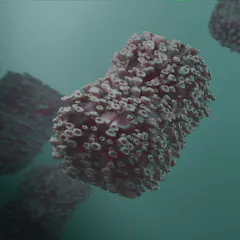
The metaphors used to characterize monkeypox can contribute to narratives that help sustain racist, colonial, homophobic and other discriminatory attitudes and beliefs.
The seriousness of an epidemic is a function of several factors, including the degree of contagiousness and potential for rapid spread.
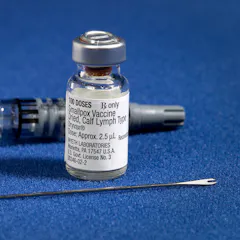
Possible outcomes of the current monkeypox epidemic under four different scenarios.
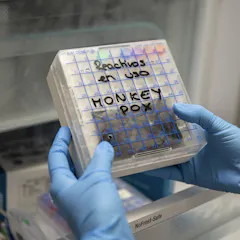
The new name for monkeypox must be aligned with best practices in naming of infectious diseases to avoid the uninformed negative narrative that associates diseases with regions.
Top contributors
-

Professor of Global Biosecurity, NHMRC L3 Research Fellow, Head, Biosecurity Program, Kirby Institute, UNSW
-
Professor of Health Studies, University of Richmond
-
Professor in Vaccinology, Institute of Infectious Disease and Molecular Medicine, University of Cape Town
-
Professor of Public Health, La Trobe University
-
Professor of Public Health, University of Sheffield
-
Regents' Professor & Chair, Medical Laboratory Science, Texas State University
-
Professor of Infection and Inequities, Centre for Immunobiology, Blizard Institute, Faculty of Medicine and Dentistry, Queen Mary University of London
-
Associate professor of economics
-
Médecin infectiologue - Epidémiologiste - médialab Sciences Po, Sciences Po
-
Postdoctoral Researcher, Immunology and Virology, University of Cambridge
-
Deputy Chair, Academic Board; Dean International, Faculty of Health Sciences, and Professor of International Health, Curtin University
-
University of Oxford
-
Associate Professor in Biomedical Technology, University of Southampton
-
Research Group Lead, LGBTQ+ Population Health Research Group, and Senior Research Fellow, HIV Epidemiology and Prevention Program, Kirby Institute, Faculty of Medicine and Health, UNSW
-
Assistant Professor of Infectious Diseases, University of Pittsburgh