
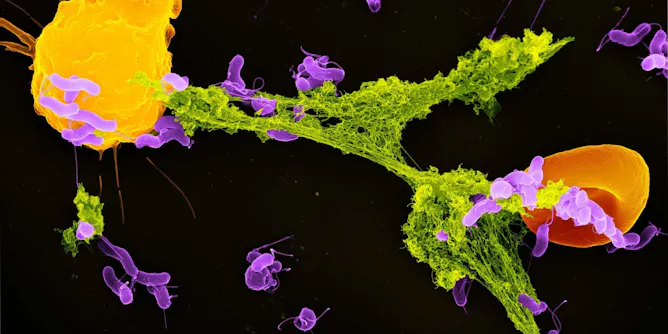
Not only do mitochondria serve as the engine of the cell – they also act as watchtowers for the immune system.
Articles on Mitochondria
Displaying 1 - 20 of 34 articles

There are elements of these ancient, distant George Lucas stories that might seem like science fiction but are, in fact, science reality.

Your gut microbes have a lot to say about how many calories you consume and how effectively your body metabolizes them.
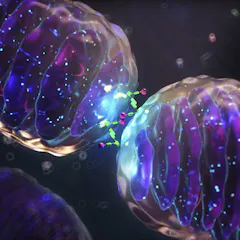
As the powerhouse of the cell, mitochondria lie at the intersection of many essential biochemical pathways. When they go awry, neurodegenerative diseases can result.
Athletes have different gut microbiomes compared with the general population. Some of these microbes are thought to improve endurance and recovery by optimizing the cell’s powerhouses.
Mitochondrial disease is an inherited condition with a poor prognosis. But a technique using a donated egg can stop this fault passing on to babies.

Inhaling air is how you get the oxygen your body needs to turn your food into energy. Other living things use different strategies.
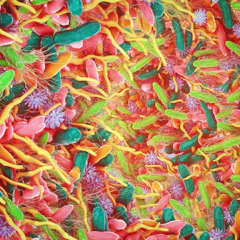
Research has examined how ultraprocessed foods can contribute to diabetes, cardiovascular disease, cancer and mood disorders. A healthier diet is one way to use food as medicine.

Mitochondria, which are found in every cell in the body, play an important role in brain function.
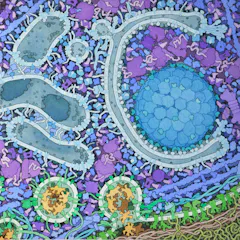
Cells degrade and recycle damaged parts of themselves through a process called autophagy. When this “self-devouring” goes awry, it may promote cancer and neurodegenerative disease.
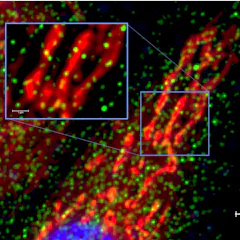
COVID-19 causes lung injury and lowers oxygen levels in patients because the SARS-CoV-2 virus attacks cells’ mitochondria. This attack is a throwback to a primitive war between viruses and bacteria.
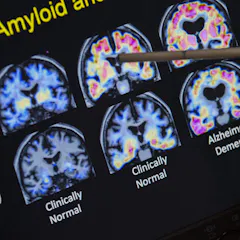
Alzheimer’s may not be primarily a disease of the brain. It may be a disorder of the immune system within the brain. Beta-amyloid may not be an abnormal protein, but part of the brain’s immune system.
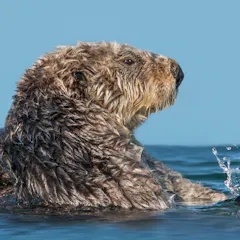
New research finds that ‘leaky mitochondria’ help keep sea otters warm.
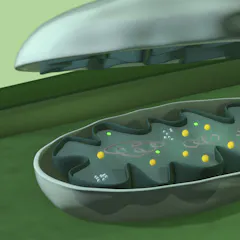
The nomination of Judge Amy Coney Barrett has implications for how assisted reproductive technologies, which can prevent the transmission of disease from parents to child, are regulated.
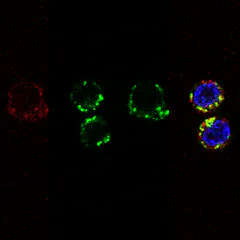
Our cells may be small, but they are mighty. And they are made of lots of amazing stuff, from the DNA that tells your body how to grow, to mini skeletons that let cells move around.
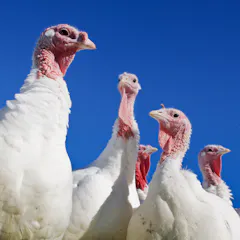
Sit down to Thanksgiving dinner ready to amaze your companions with physiological facts about why different cuts of the turkey have different characteristics.

Should Australia allow the creation of babies with DNA from more than two people? This reproductive technology could prevent babies being born with mitochondrial disease, so the simple answer is yes.
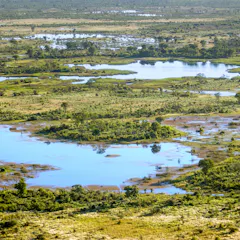
It’s likely our species doesn’t actually have a single origin.
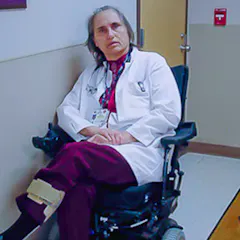
A doctor with MS who experimented with diet and other treatments has experienced a slowing of her decline – now she’s researching why it happened.

A ban on clinical trials involving gene editing rules out the controversial procedure done in China. But it also prevents procedures that could offer couples a chance for healthy children without genetic disorders.
Top contributors
-

Associate Professor of Gastroenterology, School of Medicine, University of Washington
-
Postdoctoral Researcher of Evolutionary Biology, University of Pennsylvania
-
Professor, University of Oxford
-
Professor of Biology, Wilfrid Laurier University
-
Director of Translational Institute of Medicine (TIME), Queen's University, Ontario
-
Professor of Mathematics, University of California, Davis
-
Senior Research Fellow , Adelaide University
-
MB BS Phase 1 Lead & Senior Lecturer in Medicine and Molecular Genetics, University of York
-
Associate Professor , Adelaide University
-
Emeritus Professor, University of Cape Town
-
The University of Adelaide Research Fellow, Adelaide University
-
Assistant Professor, Assisted Reproductive Technologies, Colorado State University
-
Reader in Diabetes and Mitochondrial Research, King's College London
-
Research scientist, La Trobe University
-
Group Leader, The University of Queensland