

Specialized health care for brain-related issues can be lacking in rural areas, but collaborative, community-based approaches can help address these inequities.
Articles on Mild cognitive impairment
Displaying all articles

Mild cognitive decline doesn’t necessarily mean you’ll develop dementia. But it’s a common fear.

Animal experiments and analysis of patient records suggest that taking glucosamine is safe for a healthy brain but is associated with further decline in diseased brains.

Older adults are generally good at judging their capacity for handling their finances, but
cognitive impairment degrades that skill. Proactive planning can help protect them from fraud.
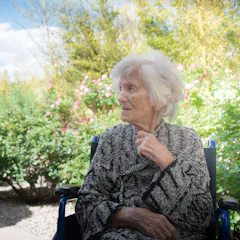
Medicare covers an annual well-check visit that could potentially identify cognitive issues, but only about half of beneficiaries take advantage of them.

Dementia does not manifest solely as a memory problem. People with dementia can also experience issues with learning, comprehension and judgement, but they may also experience changes in behaviour.

While longer naps are a normal part of aging, excessively long dozes could be a warning signal for cognitive decline.
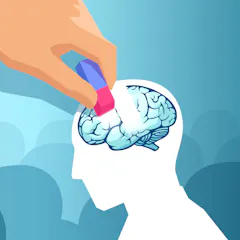
Genetics and other health conditions were both linked to greater risk of developing mild cognitive impairment.

New diagnostic tool for dementia could improve early detection.

September is Alzheimer’s Awareness Month and therefore a good time to talk about dementia. Alzheimer’s is the most common dementia, but there are others to be aware of, a gerontologist explains.
Top contributors
-

Lecturer, School of Psychology, UNSW ; Neuroscience Research Australia
-
Medical Science and Imaging PhD Candidate, University of Calgary
-
Associate Professor of Medicine and Geriatrics, University of Virginia
-
Lecturer, Psychology, University of Bath
-
Assistant Professor of Psychiatry, University of California, San Francisco
-
Director of the USC Dornsife Brain Health Observatory, University of Southern California
-
Research Scientist, Center for Economic and Social Research, USC Dornsife College of Letters, Arts and Sciences
-
Associate Professor in Cellular Neuroscience, University of Reading
-
Associate Professor of Psychology, Binghamton University, State University of New York
-
Graduate Research Assistant in Disability Health, Northern Arizona University
-
Associate Professor of Psychological Sciences, Northern Arizona University
-
Graduate Research Assistant in Social Work, Northern Arizona University
-
Assistant Professor of Social Work, Northern Arizona University
-
Associate Professor of Biochemistry and Molecular Biology, University of Florida