

Our study shows that brain remains malleable and can learn new things well into older age.
Articles on Cognitive impairment
Displaying 1 - 20 of 28 articles

The demands of caregiving can reverberate through family relationships, exposing old disagreements about expectations and responsibilities.

Specialized health care for brain-related issues can be lacking in rural areas, but collaborative, community-based approaches can help address these inequities.

Mild cognitive decline doesn’t necessarily mean you’ll develop dementia. But it’s a common fear.

Nobody wants impaired drivers on the road. But if you take medicinal cannabis and need to drive, here are some options to minimise the risk.
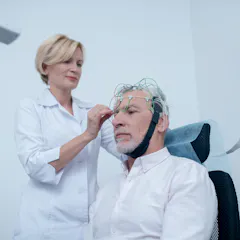
The test could someday help diagnose Alzheimer’s related memory issues without the need for unnecessary waits or time consuming procedures.

Communication mishaps can happen, but many may be a sign of impaired social cognition.

Current methods of screening for dementia have a range of limitations. Using virtual reality for cognitive screening is still a new area, but it’s showing promise.
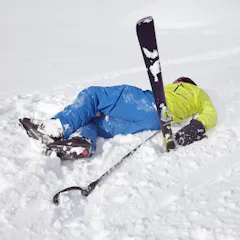
While high-profile concussions in the NFL have brought renewed attention to the gravity of head injuries, they can also occur on the playground or during junior varsity practices – with lasting effects.

Auditory processing disorders and aphasia can make spoken speech difficult to produce and understand. But these challenges alone do not imply cognitive impairments.
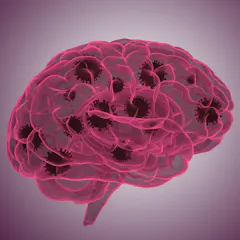
Many people face persistent cognitive symptoms after COVID-19. A new study, which grew and examined 3D models of the human brain, offers a possible explanation as to why this might be.

While longer naps are a normal part of aging, excessively long dozes could be a warning signal for cognitive decline.

We found the more headers former professional footballers made over their careers, the lower they tended to score on a memory test.

During Mental Health Week, let’s look at why some people, such as those experiencing depression or substance dependency, struggle to make decisions like everyone else.

Have you noticed your thinking ability drops during winter and spring? A new study of healthy adults and dementia patients found cognitive function declines in the colder months.
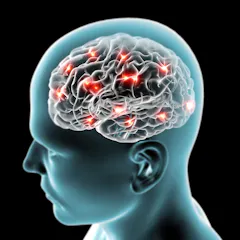
The theory of antimemories could help explain many cognitive problems in the brain such as autism and schizophrenia.

New research suggests Britons are living longer and in good mental shape – but it’s not good news across the board.

The predictable path into prison for Aboriginal people with disabilities is preventable. Here are some solutions.

Aboriginal people with mental and cognitive disability are managed mostly by police, courts, prison and hospitals. It’s costing us millions, when kinder and cheaper alternatives exist.

Police have become the default frontline response to Aboriginal people with mental and cognitive disabilities, setting this group up for a lifetime of ‘management’ by the criminal justice system.
Top contributors
-

Associate Professor, UNSW
-
Professor Emerita of Criminology, UNSW
-
PhD Candidate in Social Work and Criminology, UNSW
-
Associate Professor, Adelaide University
-
John Rennie Short is a Friend of The Conversation.
Professor Emeritus of Public Policy, University of Maryland, Baltimore County
-
Research Fellow, Harvard Medical School, Research Fellow, Florey Institute of Neuroscience and Mental Health
-
Professor of Medicine, University of Sydney
-
Professor of Neurology, St George's, University of London
-
Associate Professor of Psychology, Adelaide University
-
Johnston Professor of Biochemistry, Institute of Integrative Biology, University of Liverpool
-
AXA Professor of Epidemiology of Ageing, Newcastle University
-
Professor of Neurology and Public Health Sciences, University of Virginia
-
Reader, School of Psychology, Liverpool John Moores University
-
Postdoctoral researcher, Physiology and Pharmacology, Karolinska Institutet
-
Lecturer, School of Psychology, UNSW ; Neuroscience Research Australia