
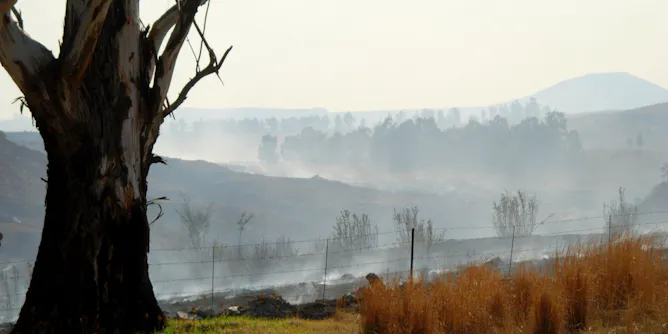
Knowing how mountain winds create fire conditions is useful for monitoring the danger.
Articles on Microclimate
Displaying all articles
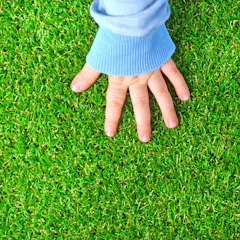
On a hot summer’s day in Melbourne, the artificial turf hit a top temperature of 72°C. This is sufficient to cause irreversible skin burns in just ten seconds.

In 2015, 6,700 premature deaths were caused by urban heat – this can be reduced by a third by planting more trees.
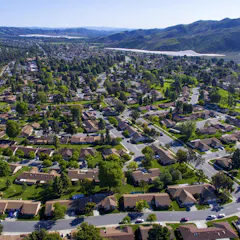
During heatwaves, the highest temperatures are often found in urbanized areas. Small green spaces are often overlooked as a way to cool urban areas.

There is a growing interest in planting small trees in urban areas. However, large trees have significant advantages.
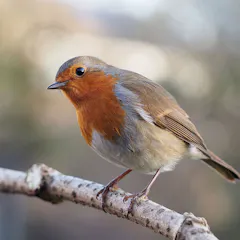
Climate change is affecting our planet’s biodiversity, yet some species can find ways to adapt. Using citizen-science data, a French research team is studying how birds adjust to local heat levels.

Good urban design and walkability boost local economic activity by increasing public activity, but cities need to pay more attention to the effects of microclimates on streets and public spaces.
No matter how cold it is, you’re lucky you don’t live on Venus.
Top contributors
-

Postdoctoral research associate, University of Oxford
-
Senior Lecturer in Physics, Nottingham Trent University
-
Écologie forestière, écologie urbaine, sols urbains, Université Laval
-
Research Associate, MRC Epidemiology Unit, University of Cambridge
-
Research Professor ISGlobal Barcelona and Professorial Fellow, ACU Melbourne, Australian Catholic University
-
PhD, Department of Geography, Planning and Environment, Concordia University
-
Lecturer and Researcher, Urban Design and Town Planning, University of the Sunshine Coast
-
Researcher in Ecology, Muséum national d’histoire naturelle (MNHN)
-
Professionnelle de recherche pour la Chaire de recherche sur l'arbre urbain et son milieu (CRAUM), Université Laval
-
PhD researcher, Barcelona Institute for Global Health (ISGlobal)
-
Associate Professor of Economics, Australia Director - Centre for International Trade and Business in Asia (CITBA), James Cook University
-
Research Fellow in Urban Microclimates, The University of Melbourne
-
Professor in Urban Horticulture, The University of Melbourne
-
Professor emeritus, Agrometeorology, University of KwaZulu-Natal
-
Senior Lecturer & Head of Department, Department of Geography, Rhodes University