
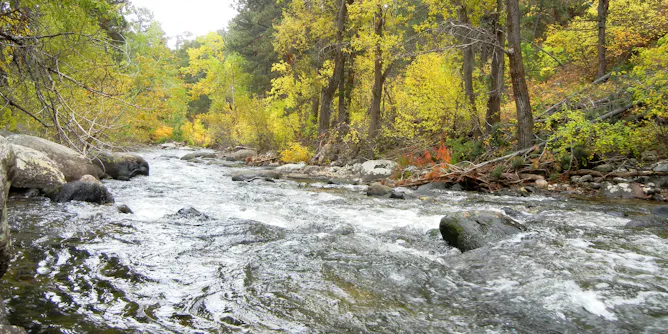
Understanding what happened in these forests 56 million years ago may help humanity recognize similar thresholds before we cross them again, the lead author of a new study writes.
Articles on Tree canopy
Displaying all articles
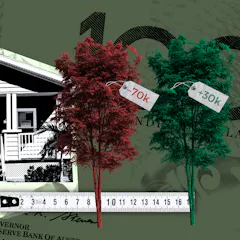
In the first study of its kind, researchers matched more than 1,500 Sydney house sales with data on nearly 50,000 public trees. They found location is crucial.

Hot sunny days can make footpaths, bike lanes and city streets unbearable. If we want people to ditch the car, we’re going to need more trees, research shows.

Have you heard of the 3+30+300 rule for urban forestry? See how Melbourne and Sydney compare to New York, Denver, Seattle, Buenos Aires, Amsterdam and Singapore on trees, canopy and park proximity.
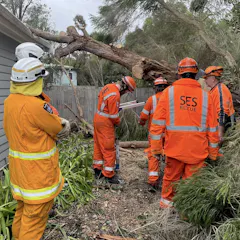
As Australia’s south-east states reel from intense winds, many of us wonder if the trees near us are safe.

While trees are beautiful and benefit the environment, the most practical argument for planting more is that they provide a clear public health benefit, both in the preventive and therapeutic sense.
Even with the best intentions, policies from different government departments can clash.
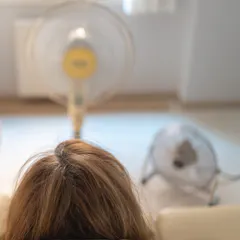
Air con uses lots of energy – try these things first.
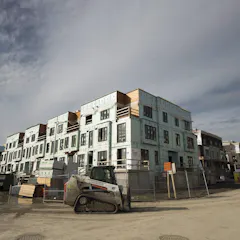
Poorly regulated housing is leading to more greenhouse gas emissions through energy loss, increased energy requirements and greater exposure to weather extremes.
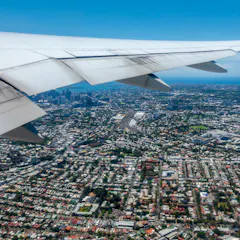
Seen from above, parts of our cities now have very little green space, and we’re losing the green corridors that enable wildlife to move between the remaining urban habitats.
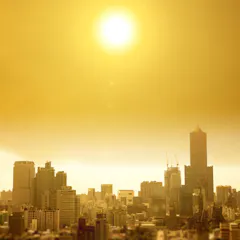
North America’s 2021 extreme heat event should compel governments to scale innovations from leading cities and countries to advance resilient, restorative and renewable cities.
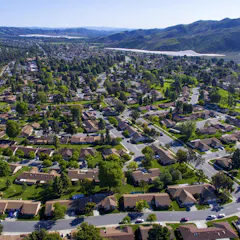
During heatwaves, the highest temperatures are often found in urbanized areas. Small green spaces are often overlooked as a way to cool urban areas.

There is a growing interest in planting small trees in urban areas. However, large trees have significant advantages.
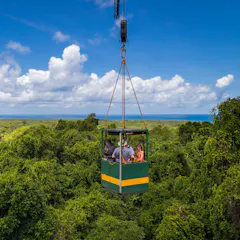
The best way to experience a rainforest canopy is by crane - and researchers have made full use of Australia’s first canopy crane.
David Attenborough’s new BBC documentary The Green Planet shows plants are stranger than they first appear.

To protect urban trees, it’s important to reduce the impact from construction. Advance planning and close supervision can help.
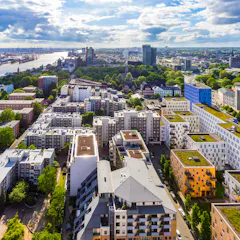
The coronavirus pandemic has highlighted the lack of green space available to those living in urban areas. Cities must be managed as ecosystems to make them more liveable and resilient.
Top contributors
-

Senior Research Associate, School of Agriculture, Food and Ecosystem Sciences, The University of Melbourne
-
University of Oxford
-
Associate Professor, Smith School of Enterprise and Environment, University of Oxford
-
Senior Researcher and College Lecturer in Engineering, University of Oxford
-
Associate Professor, School of Planning, University of Waterloo
-
PhD, Department of Geography, Planning and Environment, Concordia University
-
professeur en sylviculture et en foresterie urbaine, Université Laval
-
Postdoctoral research fellow, James Cook University
-
Associate professor, School of Planning, University of Waterloo
-
Professionnelle de recherche pour la Chaire de recherche sur l'arbre urbain et son milieu (CRAUM), Université Laval
-
Professor in Wildlife Ecology and Conservation, School of Life & Environmental Sciences, Deakin University
-
Senior Research Associate, Department of Engineering Science, University of Oxford
-
Assistant Clinical Professor, Department of Family Medicine, McMaster University
-
Écologie forestière, écologie urbaine, sols urbains, Université Laval
-
Professor of Biology, The University of Queensland