
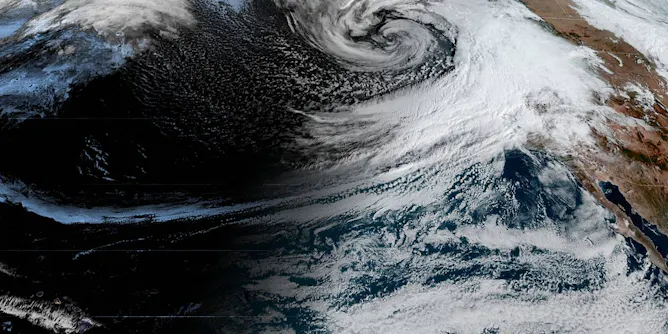
Earth’s biggest rivers are streams of warm water vapor in the atmosphere that can cause huge rain and snowfall over land. Climate change is making them longer, wetter and stronger.
Articles on Meteorology
Displaying 101 - 120 of 160 articles

Humans are not very sensitive to changes in air pressure, but they can have a big effect on the weather.
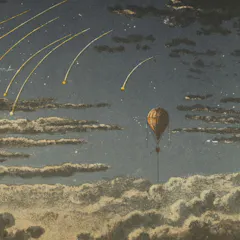
Not so long ago, people had no idea what would happen to them – and what they would see – once they ascended into the clouds.
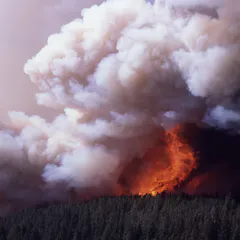
Large, intense bushfires can pump so much heat into the atmosphere they form their own thunderstorm system. And that can make the weather on the ground even more dangerously unpredictable.
It helps if you imagine the ground here on Earth as a big heater. It keeps us warm, and if you move away from the heater you feel cold.
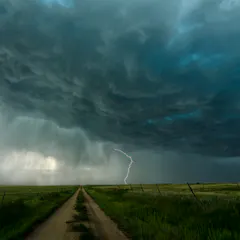
Media Files: Washington Post weather editor Jason Samenow on how weather coverage is evolving – and building audience growth
The Conversation40.1 MB (download)
The Washington Post's weather editor explains how digital media changed the way we connect to the weather, and why it's wrong for weather editors to leave climate change out of the discussion.
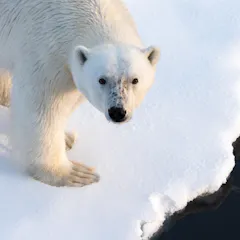
A scientist explains how global warming is affecting the entire world – from the mountains, to the sea.
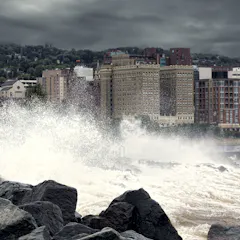
Over the past 20 years, Great Lakes water levels have gone from sustained multiyear lows to multiyear highs. Climate change is accelerating the transition between dry phases and wet phases.
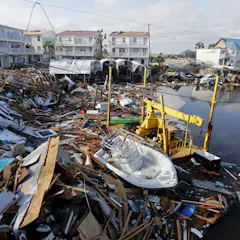
For the start of Atlantic hurricane season on June 1, scholars explain weather forecasting, evacuation orders, inland flooding risks and how social ties influence decisions to stay or flee.
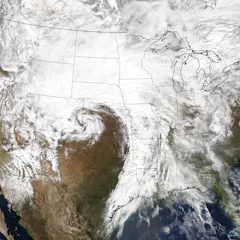
What creates such dramatic storms across the US Great Plains? The key factors are topography and temperature differences.
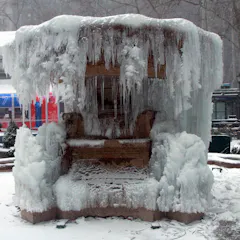
What raises a common winter storm to the level of ‘bomb cyclone’? It’s all about rapid, sharp changes in atmospheric pressure – and the scientists who coined the term meant to highlight their power.
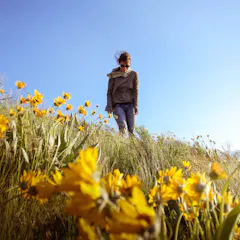
Record heat in February 2019 caused shock and delight in equal measure. Behind the balmy weather lie challenges for British wildlife.
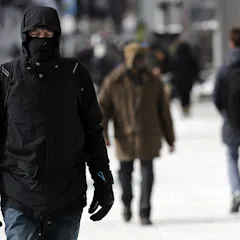
Life-threatening cold temperatures in the central US are caused by changes in wind circulation in the Arctic that bring cold air south. Climate change could make these events more frequent.
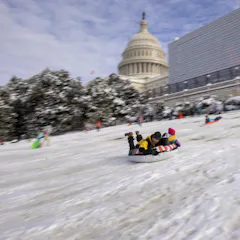
At a very simple level, “weather” refers to day-to-day conditions. “Climate” describes the average over many years.
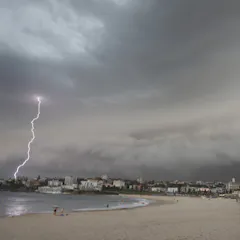
Twice every day the Bureau of Meteorology sends out the official weather forecasts for towns and cities across Australia. Here’s how we work out what to say in them.
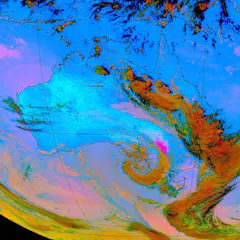
Dust storms look spectacular but are a serious health hazard. As climate change dries up many areas of the world, what can we expect from these storms in future?

Haze from Northern California wildfires has drifted as far east as Philadelphia. Wildfire smoke contains many potentially toxic substances, so anyone exposed to it should take basic precautions.
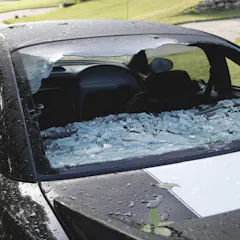
The future climate that scientists predict for the middle of the United States is one that will foster more hail events with bigger hailstones.
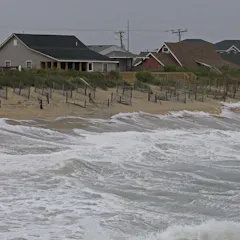
Don’t believe the skeptics or the conspiracy theorists: Weather forecasters can’t slant hurricane warnings to make political points.
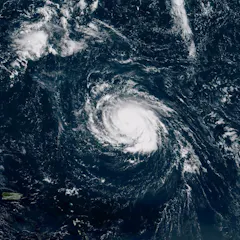
How do experts know when and where the next big hurricane is going to hit? A look at the complicated science of forecasting.
Top contributors
-

Professor of Atmospheric Science and Colorado State Climatologist, Colorado State University
-
Adjunct Professor of Environmental Geography, CQUniversity Australia
-
Meteorologist and Research Program Manager, University of Wisconsin-Madison
-
Visiting Fellow in Meteorology, University of Reading
-
Professor, School of Mathematical And Physical Sciences, University of Technology Sydney
-
Visiting Fellow, School of Mathematical and Physical Sciences, University of Technology Sydney
-
Research Scientist in Climate Variability and Hazards, CSIRO
-
Research Fellow, ARC Centre of Excellence for Weather of the 21st Century, Monash University
-
Regius Professor of Meteorology and Climate Science, University of Reading
-
Professor of Journalism, La Trobe University
-
Assistant Professor of Meteorology, Mississippi State University
-
Postdoctoral Research Scientist in Meteorology, University of Reading
-
Professor Emerita of Geography, University of California, Santa Barbara
-
Professeur écologie et aménagement forestier, Université du Québec en Abitibi-Témiscamingue (UQAT)
-
Professeur-chercheur en écologie forestière, Université du Québec à Chicoutimi (UQAC)