

Understanding the differences in growth rate between animals can help clarify the mechanisms behind aging-related diseases and offer ways to treat them.
Articles on Metabolism
Displaying 21 - 40 of 84 articles

A weight-loss drug more effective than Ozempic and Wegovy has recently been approved. Here’s how it works and how it compares with Ozempic.

Your gut microbes have a lot to say about how many calories you consume and how effectively your body metabolizes them.

Targeting the key players that help your body regulate metabolism could reverse disease progression, including cognitive decline related to Alzheimer’s disease.

Sugar is an important substance for our body and brain to make energy. Here’s what happens when we eat a lot of it.

There are a range of reasons why short sleep might be associated with an increased risk of type 2 diabetes, as a recent study showed. But sleeping too long has also been linked to the condition.

Does weight come back when you stop taking drugs like Ozempic? Are these medications simply another (expensive) form of yo-yo dieting? Here’s what we know so far.

The review revealed women reported lower quality sleep compared to men – though men were more likely to stay awake later.

We don’t tell people taking statins to treat high cholesterol or drugs to manage high blood pressure they’re cheating or taking the easy way out. Nor should we when people take drugs like Ozempic.

An elite athlete’s metabolism mostly looks different from a patient with COVID-19 − but their occasional similarities can reveal important insights into health and disease.
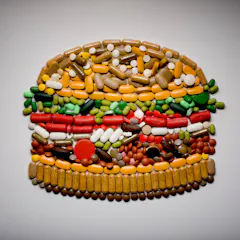
Weight loss and diabetes drugs target regulatory pathways involved in metabolism that the microbes in your gut and certain molecules from food already play a key role in regulating.

The turkey doesn’t have to be the star this Thanksgiving. Vegetable side dishes are packed with nutrients − depending on how you prepare them, they can help keep you energized this holiday season.

Reduction in physical activity over the last few decades is one of the main culprits in rising obesity rates.
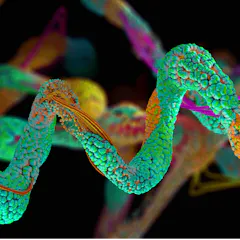
Tracing isotopes of carbon inside amino acid molecules has revealed the ‘metabolic fingerprints’ of how different animals store and use energy.

A quick energy source or a temporary relief from discomfort? Here’s what drives our food preferences when we’re sick.

Evidence suggests late-night eating can be bad for our health.

Obesity is out and ‘adipose-based chronic disease’ is in, according to a recent paper. But a name change alone won’t fix entrenched stigma.

Some researchers assert that the body responds to exercise by burning fewer calories when you’re not working out. Regardless of its effects on weight loss, exercise provides many health benefits.

Many processed foods strip carbs of their natural fibers. Eating foods with an ideal total carbohydrate-to-fiber ratio can help with weight management and improve overall health.

The diet industry’s reliance on the ‘calories in, calories out’ concept is why society blames people for being overweight. But it’s a myth.
Top contributors
-

Assistant Professor, Faculty of Health Sciences and Medicine, Bond University
-
Associate Professor of Nutrition, University of Surrey
-
Associate Professor of Gastroenterology, School of Medicine, University of Washington
-
Personal Chair in Nutrition, The Rowett Institute, University of Aberdeen
-
Research fellow, The University of Queensland
-
NHMRC Senior Research Fellow in the School of Human Sciences, The University of Western Australia
-
Professor of Systems Science and Director, Clinical Science and Engineering Research Laboratory, Binghamton University, State University of New York
-
Professor of Pediatrics and Medicine, University of Colorado Boulder
-
Associate Professor of Behavioural Science, University of Sydney
-
Director Of Medicine, The Maitland and Kurri Kurri Hospital, University of Newcastle
-
Visiting Fellow, Queensland University of Technology
-
Associate Professor in Biochemistry and Molecular Biology, The University of Melbourne
-
Professor, Department of Biochemistry and Molecular Biology, Universitat de Barcelona
-
Senior Research Fellow , Adelaide University
-
Associate Professor , Adelaide University