
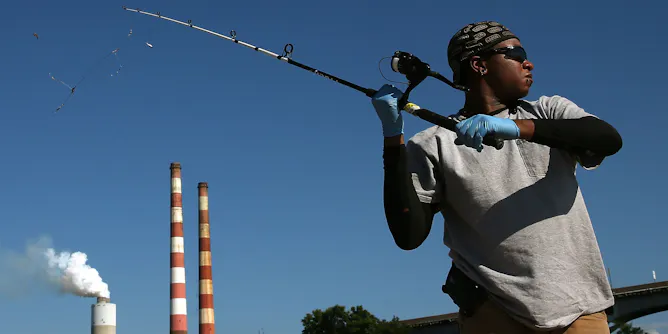
Mercury is a neurotoxic metal that can cause irreparable harm to human health – especially the brain development of young children. A scientist explains how it gets from power plants to fish to you.
Articles on Mercury
Displaying 21 - 40 of 72 articles

Pollution from more frequent floods and wildfires – exacerbated by the warming climate – is threatening human health and poses particular risks to the brain.

What did Mercury look like as BepiColombo swung by?

Those directly exposed to toxic dust and trauma on and after 9/11 carry with them a generation of chronic health conditions, which are placing them at higher risk during the pandemic and as they age.

From the tallest cliff in the solar system to its largest impact basin, geological processes on other worlds are very similar to those on our own planet.
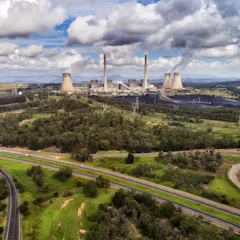
New research found power stations in the Latrobe Valley emit around 10 times more mercury than power stations in the Hunter Valley. The stark difference has a lot to do with regulations.
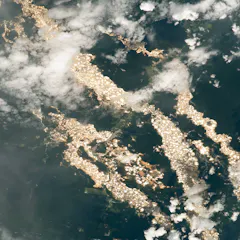
NASA satellite images reveal the extent of gold-mining in Peru. This information can be used to shut down illegal mining and prevent environmental destruction and contamination.

Fair skin as a beauty ideal underpins the global bleach cream industry – valued at $8.6 billion. There is a nascent backlash against the practice, which endangers health and can perpetuate racism.
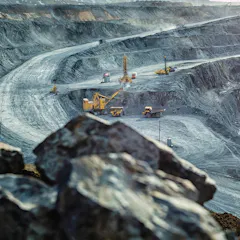
Mercury is a nasty toxin that harms humans and ecosystems. The gold and sugar-cane industries have tackled the problem, and it’s time for coal to follow suit.
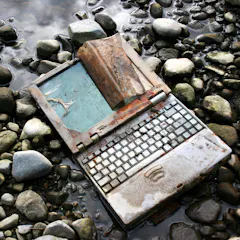
Technical advances are reducing the volume of e-waste generated in the US as lighter, more compact products enter the market. But those goods can be harder to reuse and recycle.

Australia has failed to ratify an international treaty to reduce harmful mercury emissions. Mercury exposure can cause kidney damage and brain impairment, especially in children.

A new study shows high-fibre brown rice also contains more arsenic than white rice – so which is better for you?
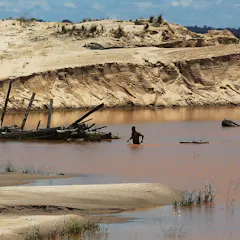
Small-scale gold mining operations in developing countries are major sources of toxic mercury pollution, using techniques that haven’t changed much since the California Gold Rush 150 years ago.

The long history of racist beauty standards alone cannot explain the ongoing global use of harmful skin lighteners.
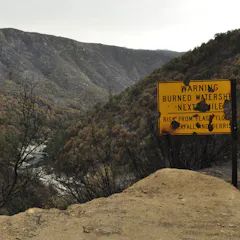
Wildfires reduce the reliability of city water supplies in North America. But active forest management provides a key to the solution.

Plants can store mercury and keep it from contaminating waterways, air and soils. Unfortunately, that mercury is released when plants burn.
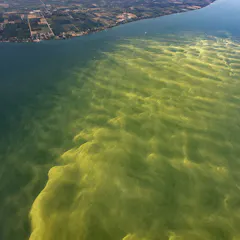
The Great Lakes contain reservoirs of legacy contaminants, mostly in their sediments, that are vulnerable to resuspension.

Many people are still upset that Pluto was demoted from being a planet. But definitions of various celestial objects are fairly fluid. So whether it is an asteroid or moon or planet is up for debate.
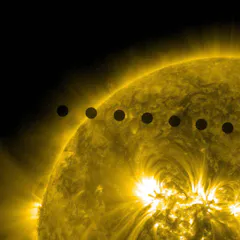
This hot, acidic neighbor with its surface veiled in thick clouds hasn’t benefited from the attention showered on Mars and the Moon. But Venus may offer insights into the fate of the Earth.
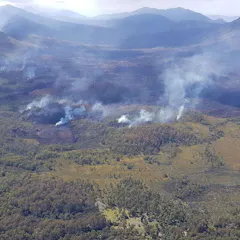
Huon pines in Tasmania have locked up significant amounts of mercury pollution from the state’s mining industrial history. And that can be released back to the atmosphere in bushfires.
Top contributors
-

Professor of Planetary Geosciences, The Open University
-
Professor, Australian National University
-
Associate Professor, Australian National University
-
Professor of Data, Systems, and Society and Atmospheric Chemistry, Massachusetts Institute of Technology (MIT)
-
Professor, UNSW Law & Justice and UNSW Institute for Climate Risk & Response, UNSW
-
Professor, University of Canberra
-
Professor Emeritus of Environmental Studies, Macquarie University
-
Distinguished Professor of Practice, Trachtenberg School of Public Policy & Public Administration, and Director of the Regulatory Studies Center, George Washington University
-
Senior Instrument Scientist, Australian Nuclear Science and Technology Organisation
-
Associate Professor in Atmospheric Chemistry, University of Wollongong
-
Senior Curator (Astronomy), Museums Victoria Research Institute; The University of Melbourne
-
Assistant professor, Michigan State University
-
PhD Candidate in Astronomy, University of Southern Queensland
-
Universität Bremen
-
PhD Candidate, Macquarie University