

We’ve learnt two cases linked to Melbourne’s COVID outbreak were in fact ‘false positives’. Here’s what that means, why it can happen, and how common it is.
Articles on Melbourne outbreak
Displaying all articles
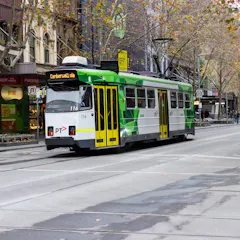
Recent commentary has suggested transport, age, jobs, migrant population and other factors among the reasons that may help explain the difference. What does the data say?
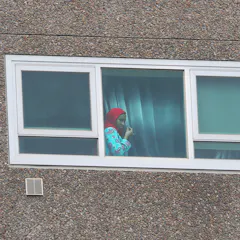
What might the past offer us at this moment, and how will future generations reflect on this year? How will this present become the future’s past?

A new report shows out of 1 million students enrolled in all Victorian schools, only 337 may have acquired the virus through outbreaks at school.
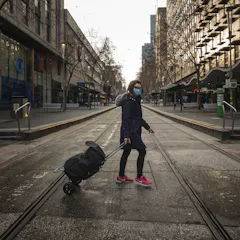
Putting all of Victoria under stage 4 restrictions would give the state its best chance of stopping community transmission, rather than setting it up to play an endless game of COVID-19 whack-a-mole.
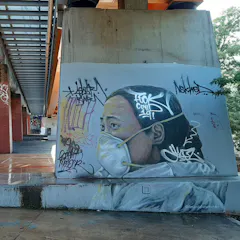
The inner suburbs are home to large numbers of workers in jobs vulnerable to the pandemic. If they’re forced to seek cheaper housing in outer suburbs, the urban divide will widen.
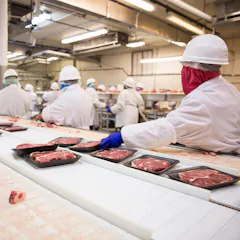
Not everyone has a job they can do from home. Mapping the patterns of occupations across Melbourne’s suburbs against COVID-19 cases strongly suggests why some parts of the city are more vulnerable.

The hard lockdowns of whole blocks have been challenging for many residents due to their histories of trauma, their housing conditions and a lack of communication and understanding from authorities.
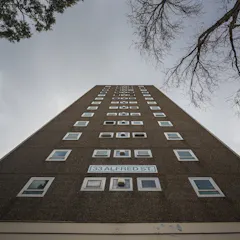
Much of our public housing stock is ageing and substandard. But we can learn from outstanding examples of retrofit projects that have transformed existing blocks into high-quality housing.
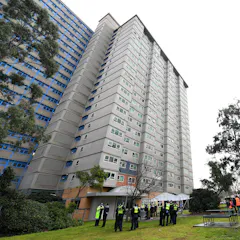
The spread of the virus through households creates costs higher than for isolation in hotels when families are large and living at close quarters as in Melbourne’s public housing towers.
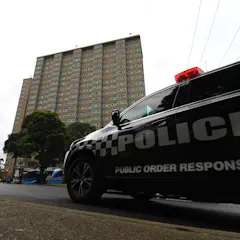
The public housing hard lockdown is the product of a punitive public housing system whose residents have been neglected for decades.
Top contributors
-

Health Services Researcher, The University of Melbourne
-
Senior Principal Research Fellow; paediatrician; infectious diseases epidemiologist; vaccinologist, The University of Melbourne
-
Adjunct Senior Lecturer, School of Public Health and Community Medicine, UNSW
-
Professor of Urban Planning, Centre for Urban Research, RMIT University
-
Research and Teaching Assistant, Melbourne School of Design, The University of Melbourne
-
Emeritus Professor of History, La Trobe University
-
Associate Professor in Microbiology and Infectious Diseases, University of Auckland, Waipapa Taumata Rau
-
Demographer, POLIS Centre for Social Policy Research, Australian National University
-
Professor of Epidemiology Healthcare Infection and Infectious Diseases Control, UNSW
-
Research associate, The University of Melbourne
-
Graduate Researcher, University of Newcastle
-
Professor of Health Economics, University of Bologna, University of Newcastle
-
PhD Candidate and Research Assistant, Faculty of Architecture, Building and Planning, The University of Melbourne
-
Research Fellow, Asia-Pacific Health, Infection and Immunity Theme, Murdoch Children's Research Institute
-
Honorary Senior Fellow in Urban Geography and Planning, The University of Melbourne