
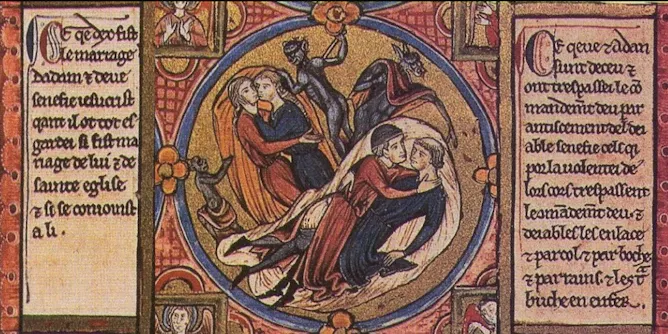
A property agreement between two men, signed in 1061, includes heartfelt declarations of lifelong trust and faithfulness.
Articles on Medieval
Displaying 41 - 60 of 114 articles
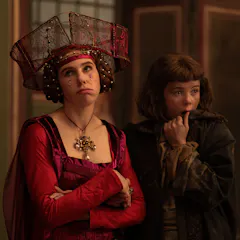
A plague rages in this binge-worthy series with star-crossed lovers, sex and unexpected twists.

Indigenous and critical race approaches to narratives of the Middle Ages help reveal more accurate histories, and combat the misuses of ‘the medieval’ for hate.
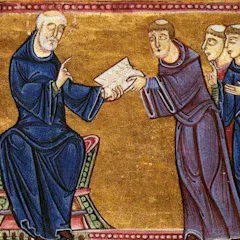
Monks who failed to factor in the leap day placed spring equinox on the wrong day, which meant Ash Wednesday, Lent, Holy Week and Pentecost were also marked on the wrong day.
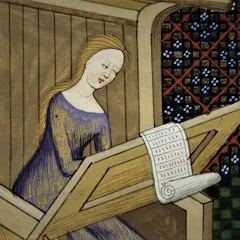
While the wider literature tells us that medieval women were silent and passive, their letters and embroideries tell a different story.
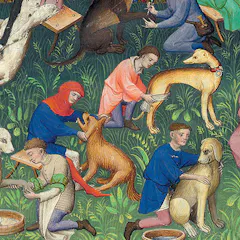
The place of dogs in society changed when hunting became an aristocratic pastime, rather than a necessity.

The Middle Ages are often portrayed as dark and dirty. New research is revealing that it was, in fact, a period filled with light and colour.
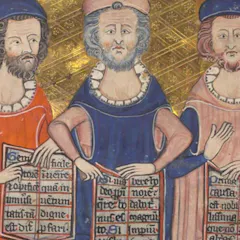
The sheer quantity of data these processes will make available has significant ramifications for scholarship.
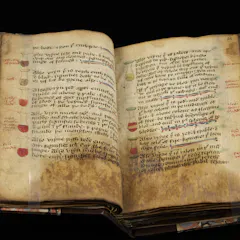
Your doctor’s MD emerged from the Dark Ages, where practicing rational “human medicine” was seen as an expression of faith and maintaining one’s health a religious duty.
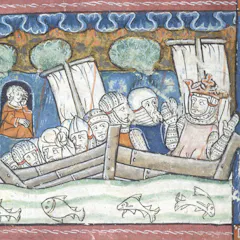
For the 50th anniversary of Tolkien’s death, I want to celebrate some of his major contributions to the study of medieval literature.
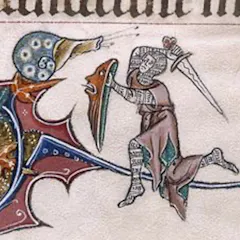
Snails were recognised in medieval times for their unusual strength, given that they were able to carry their home on their back.
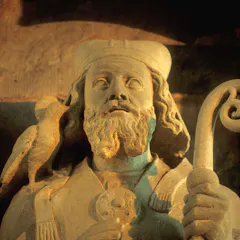
Much of what we know about the life of the sixth century monk, St David, comes from medieval texts written several centuries later.
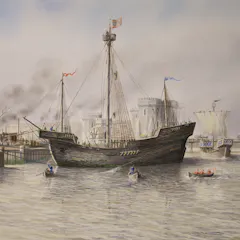
The Newport medieval ship is the most complete section of a 15th-century European vessel discovered to date.
DNA analysis reveals a large migration of people into Scandinavia during Viking times.
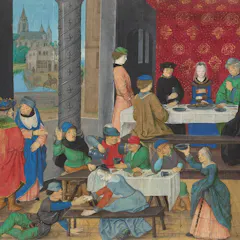
Many people gathered and slept in a shared warm space in medieval times.
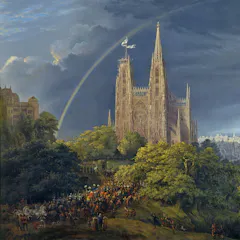
The press, films and series and even everyday language still reflect a derogatory conception of the Middle Ages. Was the period really that bad?
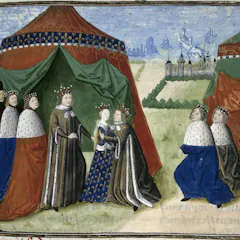
When Stephanie Trigg was a young reader, The Gentle Falcon, set in 1396, introduced her to the beauty and danger of the medieval world.

This illustrated health manual dating back to the 13th century provides a glimpse of daily life in aristocratic households during the Middle Ages.

Feudalism has been replaced by capitalism, and the new villeiny — or neo-villeiny — has emerged to reflect a relationship between a worker and an organization.
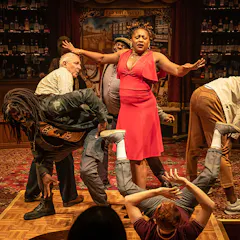
Zadie Smith’s first play delivers on what women want.
Top contributors
-

Associate Professor of Medieval History, Durham University
-
Professor in High Medieval History, Durham University
-
Lecturer in Medieval History, The University of Queensland
-
Lecturer in English, University of Liverpool
-
PhD Candidate, Medieval Literature, Bangor University
-
Professor of English, University of Surrey
-
Teaching Fellow in Medieval Studies, University of Leeds
-
Professor of English, Macquarie University
-
Research fellow, University of Oxford
-
Senior Lecturer, School of Philosophical, Historical & International Studies, Monash University
-
Senior Lecturer in History, University of Aberdeen
-
Professor of Medieval Literature and English Literature, Bangor University
-
Heritage Partnerships Coordinator, University of Oxford
-
Assistant Professor in Medieval Literature and Director, Trinity Centre for the Book, Trinity College Dublin
-
Professor and Tutorial Fellow in English, University of Oxford