
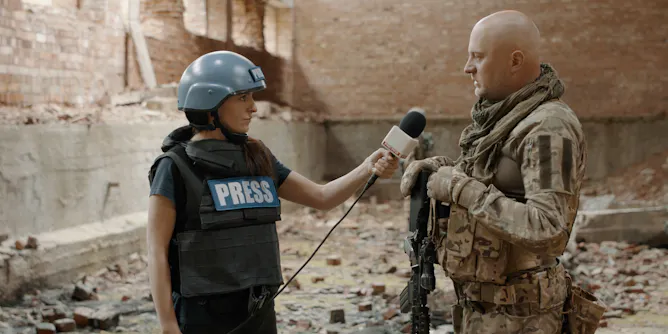
Hundreds of Australian journalists signed an open letter to news organisations calling for better coverage of the war. It calls their impartiality into question.
Articles on Media freedom
Displaying 21 - 40 of 105 articles

Whichever way the ongoing armed conflict ends, the loser will be Somaliland president Muse Bihi Abdi.
Finding the right balance between media freedom and limits remains one of the greatest challenges modern democracies face.
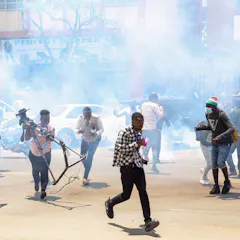
There is a growing public wariness about the performance of the media, which are increasingly accused of being partisan.
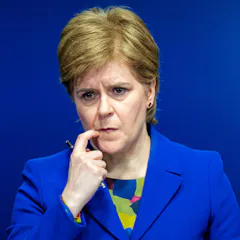
A Scottish parliamentary committee is investigating whether the nation’s laws to protect journalistic freedoms need to be tightened.
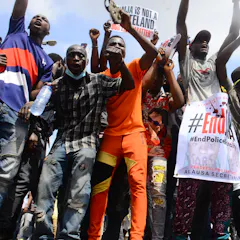
Young Nigerians actively discuss politics and governance despite being kept on the sidelines. They seek a government that would promote their inclusion and solve problems affecting them.
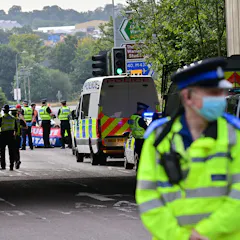
The arrest of a journalist could have been avoided, a policing expert says.
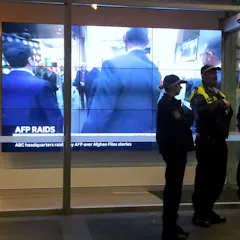
Australia’s press freedom problems have been acknowledged by both the Morrison and Albanese governments. However, we’re yet to see any actual law reform to support public interest journalism.

The relationship between the state and media soured just months into the Kenyatta regime.
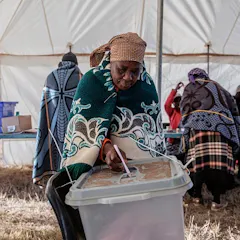
The country has had five governments in 10 years. Every time a government collapses, the reform programme follows suit.
Criminal libel and seditious libel laws have existed under both military and constitutional rule in Ghana.

Four months after the Taliban regained control of Afghanistan, a clearer picture of their rule is emerging. Despite public assurances, the Taliban continue to violate human rights.
Democratic freedoms alone are not adequate safeguards for the media’s anti-corruption work.
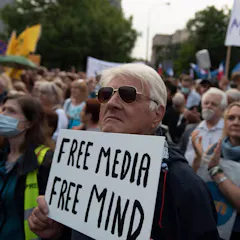
By banning non-European companies from operating media companies, the Polish government is taking aim at the largest private broadcaster in the country.
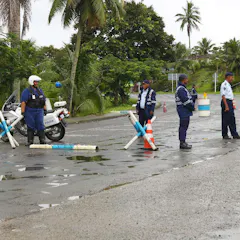
By arresting opponents of proposed land rights legislation, Frank Bainimarama again squashes democratic debate at a time when Fiji urgently needs it.
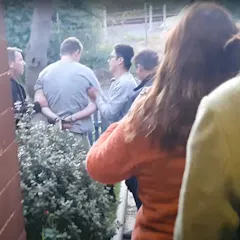
The case may set a precedent about what is fixated behaviour and an appropriate use of the FPIU.
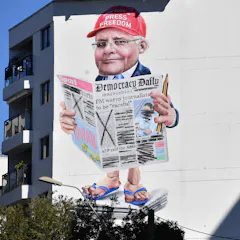
The government now has a comprehensive blueprint on how to become more open and transparent on all levels, including national security. It’s time to walk the talk — but I’m not holding my breath.
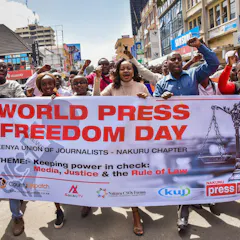
No matter what tactics are used to muzzle, restrict, limit, or censor information, trustworthy information that serves the public good can still find its way to those who matter most: the citizens.
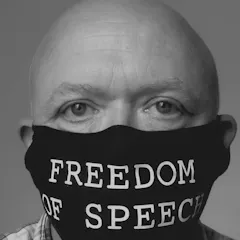
Under cover of the coronavirus many countries are passing more draconian media laws.

Uganda media houses pay low wages and offer few development opportunities for journalists, which makes reporters more susceptible to bribes.
Top contributors
-

Associate Professor, School of Media, Film and Journalism, Monash University
-
Senior Research Fellow, Centre for Advancing Journalism, The University of Melbourne
-
Full Professor in Journalism, Dublin City University
-
Professor of Journalism and Communications, Macquarie University
-
Professor of Journalism and Social Media, Griffith Centre for Social and Cultural Research, Griffith University, Griffith University
-
Professor of Media Industries, University of Nottingham
-
Caxton Professor of Journalism, University of the Witwatersrand
-
Associate Professor in Media Studies, University of the Witwatersrand
-
Professorial Fellow, University of Canberra
-
Associate Professor, Griffith Criminology Institute, Griffith University
-
Professor and Chair, Department of Journalism, Stellenbosch University
-
Founding Editor, Pacific Journalism Review / Te Koakoa, Auckland University of Technology
-
Professor, Journalism, RMIT University
-
Assistant Professor, University of Manitoba
-
Associate Professor, School of Languages, Literatures, Cultures and Linguistics, Monash University