
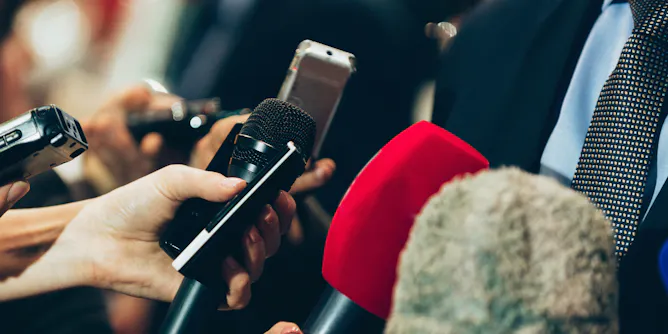
A new book argues that very rarely it is ethically justifiable to deceive to get a story. But mostly it’s a dangerous and harmful practice that adds to the public’s mistrust of the media.
Articles on Media ethics
Displaying 21 - 40 of 109 articles
There is a lot about Donald Trump that makes him attractive to the public, and alluring to the media. A scholar of political journalism has some suggestions about how to cover him.
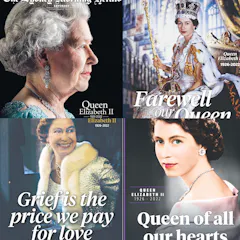
The Australian media’s blanket coverage of the sovereign’s death was a reflection of public expectations, but it was allowed to drag on and became increasingly bizarre.

We all love random act of kindness. But before you ‘like’ or share that heartwarming video, ask yourself if it’s an authentic feel-good moment or an act of exploitation.
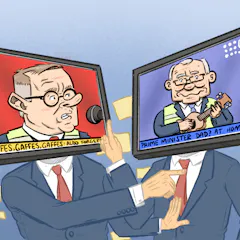
The major parties have come to control the way the media can cover election campaigns – leading to dress-up stunts and gotcha questions instead of meaningful journalism.
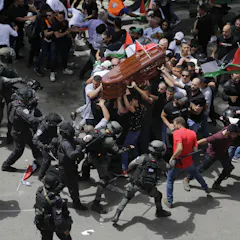
In trying to present violent events in ‘neutral’ language, media reports may be ignoring power imbalances when it comes to Israeli police or military violence against Palestinian civilians.
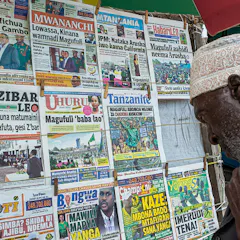
Today’s journalism students are less likely to find full-time jobs as professional journalists. The craft has become ‘post-industrial’, entrepreneurial and atypical.
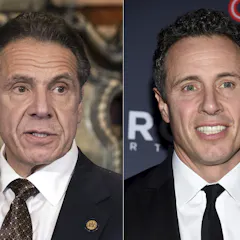
A journalist’s role is to serve the public interest. But CNN anchor Chris Cuomo, by helping his brother, New York Gov. Andrew Cuomo during a scandal, put personal interests above the public’s.
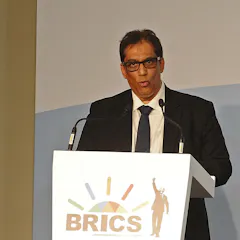
Using state resources to sue media for spreading fake news is not the answer, and sets a bad precedent.
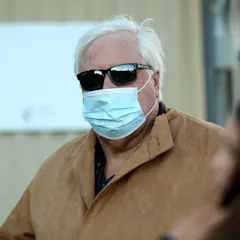
Palmer’s anti-lockdown ads were not breaching any laws, so the decision about whether to run them become a purely ethical one. In the end, Nine has made the right decision.
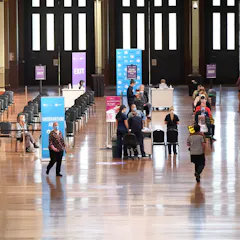
In a pandemic or any other emergency, the first ethical duty of the media is to report accurately and soberly, and specifically not to induce unjustified anxiety or panic.
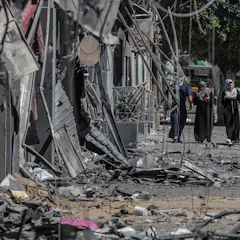
Journalistic ethics demand ‘objectivity’ in reporting – but language forces us to take a position.
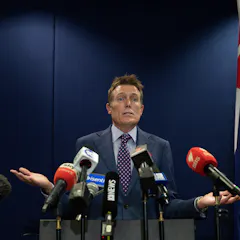
The media treated the rape allegation against Porter as a political story and watched it play out in the political process — without identifying the attorney-general.
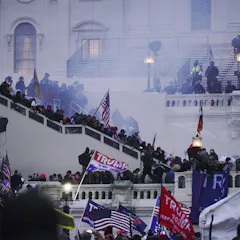
What to publish on incendiary issues is a complex matter, but journalists needn’t believe that not publishing, when there is a good reason, violates and inviolable right.
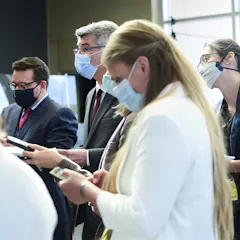
It’s not enough anymore for journalists to be mere watchdogs. Journalism must address subconscious social biases to give readers a fuller picture of what they need to know.
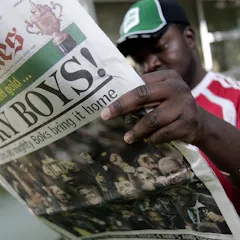
Media self-criticism is not just important to improve journalism, it is a political, professional and moral imperative.
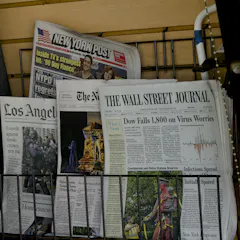
Journalists use real people’s stories to ‘humanize’ the news. But these tales – whether harrowing or heartwarming – can be misleading about the pandemic’s greatest threats.
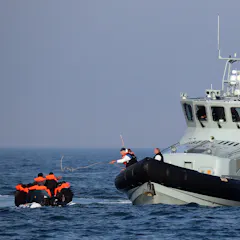
Important news coverage or voyeurism disguised as journalism? It’s complicated.

The freedom of the press is important, and of course it must be protected. But the freedom of everybody else and of ordinary citizens is also important.
Does taking government money mean journalists owe the government something? A media ethics scholar examines the ethical questions about news organizations getting government help during the pandemic.
Top contributors
-

Senior Research Fellow, Centre for Advancing Journalism, The University of Melbourne
-
Associate Professor of Communications, Penn State
-
Caxton Professor of Journalism, University of the Witwatersrand
-
Full Professor in Journalism, Dublin City University
-
Senior Lecturer, Birmingham City University
-
Professor, School of Journalism and Communication, University of Oregon
-
C. Edwin Baker Professor of Media Policy and Political Economy, University of Pennsylvania
-
Senior Lecturer, School of Media, Film and Journalism, Monash University
-
Senior Honorary Research Fellow, Department of Journalism, City St George's, University of London
-
Professor of Political Communication; Director CAJ, The University of Melbourne
-
Associate Professor in Media and Communication, The University of Western Australia
-
Senior Lecturer in Journalism, Northumbria University, Newcastle
-
Research Associate, UCL
-
Professor of Journalism, Monash University
-
Adjunct professor, Queensland University of Technology