
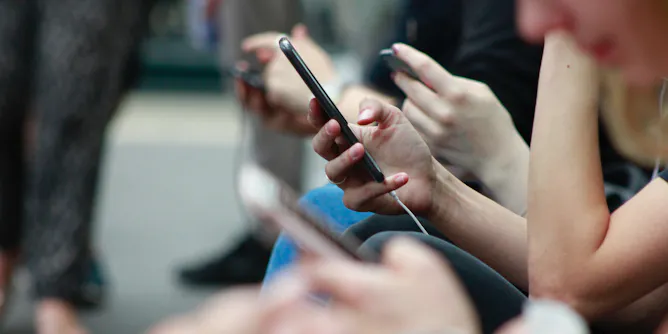
The NSW Court of Appeal’s Dylan Voller decision means the media may be liable for the hurtful things users write on social pages. This will have many media companies in a panic.
Articles on Media ethics
Displaying 41 - 60 of 109 articles
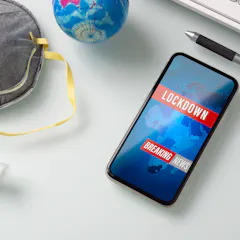
Now more than ever, the media should inform, not inflame.
Given the summer we have had, media acquiescence in climate change denial, and failure to follow the weight of scientific evidence, looks like culpability.
Here’s what you need to know before you share your mental health story, or ask others to share.
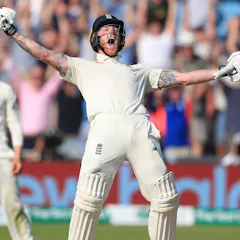
Was The Sun’s story about England’s Ashes hero an invasion of privacy?
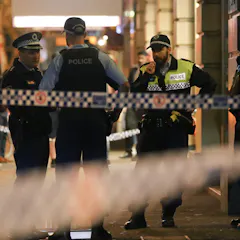
As a crisis unfolded in the Sydney CBD, a journalist tweeted what she saw and heard, and was criticised for doing so. Here’s why she was right to report what she did.
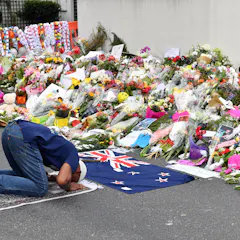
The Australian Communication and Media Authority’s report into the conduct of Australian media in the aftermath of the Christchurch shootings is nuanced but very tame.
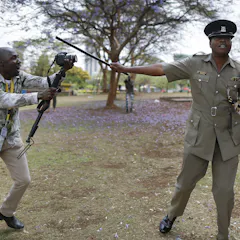
Although Kenyan media houses have various accountability systems in place, their implementation is weak and inconsistent.
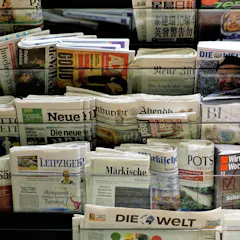
A new study highlights the significant differences in attitudes between UK and German journalists.
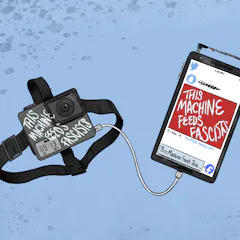
On the day of the Christchurch mosque shootings, several media outlets repeatedly failed the test of necessity in showing graphic footage.

ITV was justified in reporting Olly Robbins’ private conversation about Brexit as the public has a right to know the government’s plans.
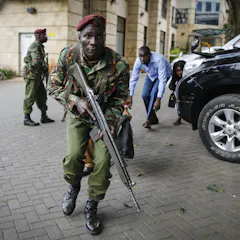
Foreign press took away the dignity from victims killed in the Nairobi terror attacks by publishing their pictures.
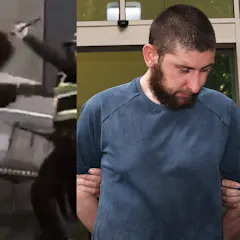
As recent events show, we might get better media reporting if journalists questioned authorities more closely on the relevance of ethnicity and religion in crime reporting.

South Africans have a right to know why the lapses at Sunday Times occurred and why those that spoke up against them were silenced.

The Sun’s treatment of Raheem Sterling exposes the ethical failings of its reporting.
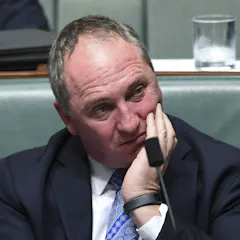
In democratic political systems, public officials are accountable through the media to the people. That responsibility to be accountable comes with public office. It is not a marketable commodity.

According to a photojournalism expert, there can be a relationship between exposure to grisly images and activism. But there are also ethical considerations to be made.
When mass shootings take place, the media rush to publish details on the suspect’s background. But is that approach one that does more harm than good?
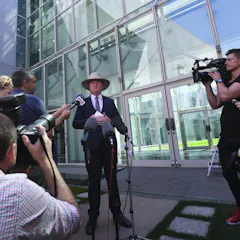
Media reporting of the Barnaby Joyce affair would have been so much better if journalists had established substantial public-interest justifications before breaking the story.
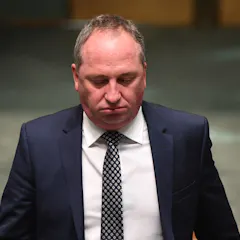
There’s one very significant difference between the Joyce-Campion and Cairns-Morosi affairs.
Top contributors
-

Senior Research Fellow, Centre for Advancing Journalism, The University of Melbourne
-
Associate Professor of Communications, Penn State
-
Caxton Professor of Journalism, University of the Witwatersrand
-
Full Professor in Journalism, Dublin City University
-
Senior Lecturer, Birmingham City University
-
Professor, School of Journalism and Communication, University of Oregon
-
C. Edwin Baker Professor of Media Policy and Political Economy, University of Pennsylvania
-
Senior Lecturer, School of Media, Film and Journalism, Monash University
-
Senior Honorary Research Fellow, Department of Journalism, City St George's, University of London
-
Professor of Political Communication; Director CAJ, The University of Melbourne
-
Associate Professor in Media and Communication, The University of Western Australia
-
Senior Lecturer in Journalism, Northumbria University, Newcastle
-
Research Associate, UCL
-
Professor of Journalism, Monash University
-
Adjunct professor, Queensland University of Technology