
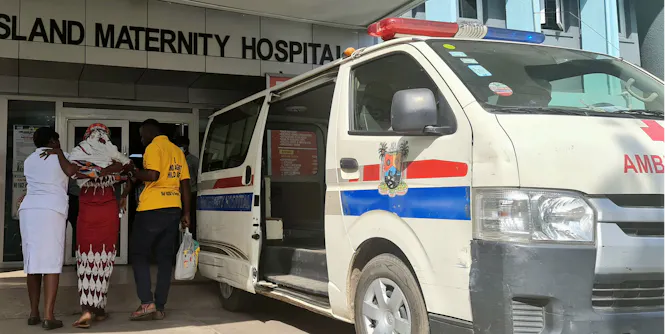
Every year, seven in ten maternal deaths occur in sub-Saharan Africa. A study examining sub-Saharan Africa’s largest metropolis find that inequalities in access play a key role.
Articles on Maternal health in Africa
Displaying all articles

Using data from the popular navigation app, researchers have pinpointed the areas of Lagos, Nigeria, where emergency obstetric care is most needed.

COVID-19 has added a new layer of stress to people’s lives, increasing the chances of women developing symptoms of perinatal depression.
Obesity is on the rise among urban African women of reproductive age in all of the 24 countries studied.

Women who don’t get enough to eat while pregnant face a high risk of developing common mental illnesses like depression and anxiety during pregnancy and after giving birth.

Although the number of children conceived through in vitro fertilisation born with abnormalities remains extremely low, a recent study in Kenya shows that the risk of genetic disorders is higher.
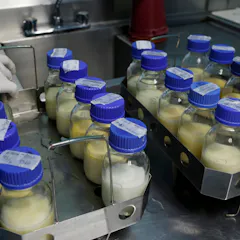
Human milk banks play an important role in ensuring the safe supply of breast milk. This is made available to babies whose mothers are unable to breastfeed.
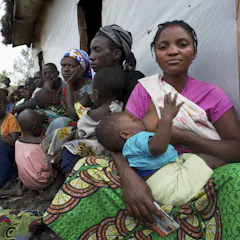
Breastfeeding has many health benefits for both baby and mother. But it can also can be difficult to sustain exclusively without support.

Strong political support, community engagement and effective strategies can improve access to family planning in developing countries.

Our statistical analysis found that as the sex ratio at birth went up – that is, more males were born – so did life expectancy in a strongly related manner.

More than two million women across the world suffer from obstetric fistula – a hole in the birth canal that makes them incontinent – but this can be avoided.
Top contributors
-

Senior Research Scientist, African Population and Health Research Center
-
Associate professor, London School of Hygiene & Tropical Medicine
-
Associate Professor, Certified Nutrition Specialist in the Department of Food, Nutrition and Dietetics , Kenyatta University
-
Director of the Perinatal Mental Health Project; Associate Professor, University of Cape Town
-
Associate Research Scientist, African Population and Health Research Center
-
Medical Doctor, Epidemiologist and Biostatistician, University of the Witwatersrand
-
Co-Chair, Humanities, Medicine and Sciences Programme, University of Malta
-
Senior Lecturer in the Department of Obstetric and Gynaecology, University of Nairobi
-
Post-Doctoral Research Scientist, African Population and Health Research Center
-
Outstanding Future Researcher, Menzies School of Health Research
-
PhD (Human Physiology), Cape Peninsula University of Technology
-
NHMRC Research Fellow (Public Health), Flinders University
-
Research Officer, University of Cape Town