
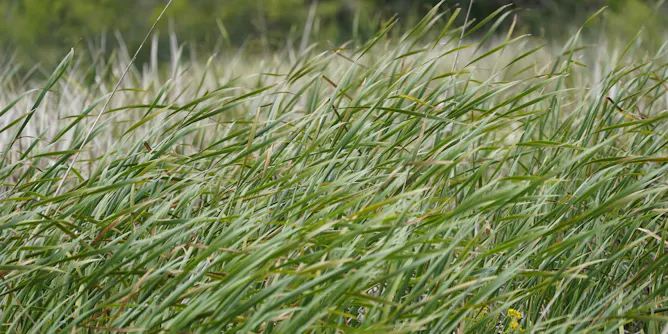
More common extreme weather events can create opportunities for invasive species to spread.
Articles on marine species
Displaying all articles

New video captures what whale sharks do when nobody is watching.
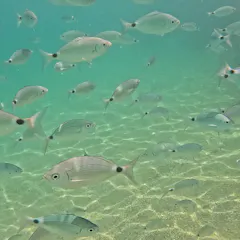
The Mediterranean is one of the world’s most vulnerable ecosystems. A scientific study on shifting distribution dynamics examines how its fish species contend with sea warming.
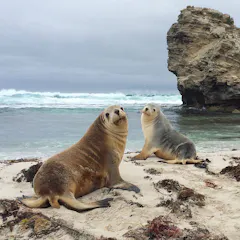
Using cameras and trackers attached to Australian sea lions, we explored previously unmapped ocean habitats off the South Australian coast. The data also fed into predictive computer models.
Atlantic halibut are making a strong comeback in the Gulf of St. Lawrence. But how do we know where the fish move throughout their lives?
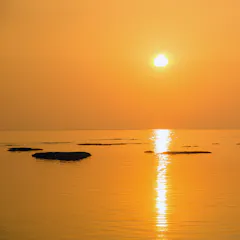
A climate overshoot that creates warmer oceans with lower oxygen levels will reduce the suitable habitat for many marine species long after CO₂ levels have peaked and declined.
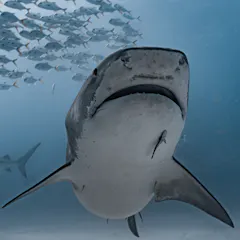
Through regulation, enforcement and monitoring, fisheries management can lead to recoveries in shark and ray populations.
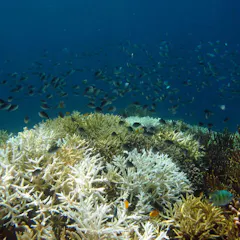
A new biodiversity index captures the climate risk for nearly 25,000 marine species and their ecosystems and lays the groundwork for climate-smart approaches to management and conservation.
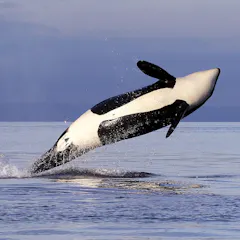
The declining salmon and whale numbers raise a critical question: Is the southern resident killer whale population solely reliant on the abundance of salmon? And, if so, since when?
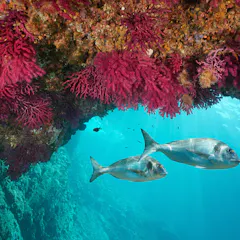
While official data is yet to be released, this year’s Mediterranean marine heatwave will likely have devastating ecological consequences.

The ocean is often considered a silent universe. But many recent studies highlight the importance of the soundscape for many marine species, both large and small.
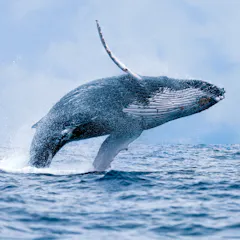
Nations must work with their neighbours to manage and protect species and human rights. An international environmental deal called the Escazú Agreement shows what’s possible.
Top contributors
-

Senior Lecturer in Spatial Sciences and ARC DECRA Fellow, The University of Melbourne
-
Postdoctoral research fellow, The University of Melbourne
-
Phd candidate in Oceanography, Université du Québec à Rimouski (UQAR)
-
Profesor Distinguido, Universidad de Las Palmas de Gran Canaria (ULPGC), Spain
-
Postdoctoral Research Fellow, Global Shark Trends Project, Simon Fraser University
-
PhD Candidate, Institute for the Oceans and Fisheries, University of British Columbia
-
Professor of Marine Zoology, University of Plymouth
-
Principal Research Scientist, CSIRO
-
Research Scientist, Bedford Institute of Oceanography, Fisheries and Oceans Canada, Adjunct Professor, Dalhousie University
-
Research Scientist, Australian Institute of Marine Science
-
Étudiante au doctorat, Université du Québec à Chicoutimi (UQAC)
-
PhD Candidate, Marine Movement Ecology, Murdoch University; Australian Institute of Marine Science
-
Research Lead, Carbon Dioxide Removal, CSIRO
-
Postdoctoral research fellow, Centre for Biodiversity and Conservation Science, The University of Queensland
-
PhD Candidate in Ecology and Evolutionary Biology, Adelaide University