
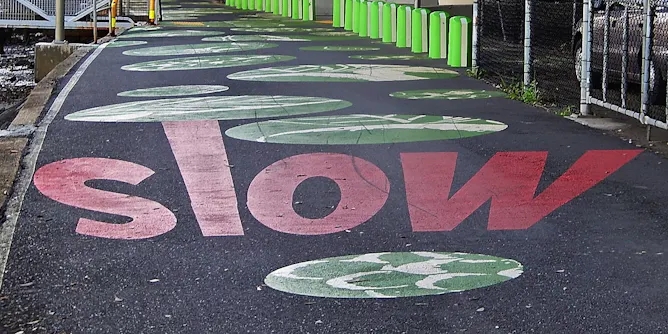
Smart cities are usually optimised like a business for speed and efficiency. Placemaking can slow down cities to improve health and wellbeing and promote more democratic engagement of citizens.
Articles on Making Cities Work
Displaying all articles
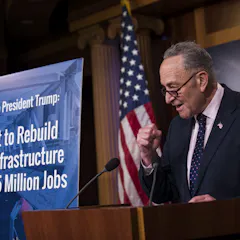
The trillions of dollars spent on infrastructure demands democratic transparency and accountability. This applies to both the investment and to the effects on cities, societies and the environment.
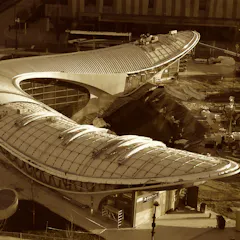
Suburban areas feel infrastructure stress most acutely. Having to deal with severe inadequacies, suburbs offer fertile ground for infrastructure experimentation and innovation.
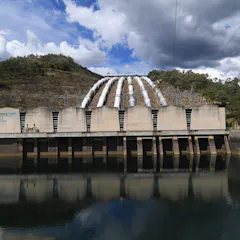
Long-term privatisation contracts, most of them closed to scrutiny, lock urban infrastructure into 20th-century formats unsuited for a climate-threatened planet.

Politicised transport projects that flout proper process lead to hostility between residents and governments, and give planners a bad name.

Australia has lagged behind some other countries in its investment in smart cities, but in retrospect that may not have been such a bad thing.
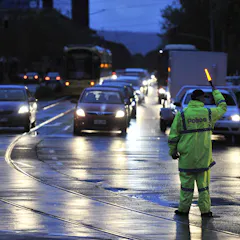
Critical infrastructure is our means of survival as an urban species. So, we must identify what is critical, for whom and how it might fail us.
Top contributors
-

Professor of Urban Resilience and Pro Vice-Chancellor, University of Bristol
-
Emeritus Professor, Fenner School of Environment and Society, Australian National University
-
Professor, Faculty of Environmental and Urban Change, York University, Canada
-
Senior Lecturer in Architecture, Queensland University of Technology
-
Professor of Urban Policy and Director, Urban Futures Enabling Impact Platform, RMIT University
-
Professor Sustainability and Urban Governance, RMIT University
-
Associate Professor of Urban Planning, The University of Melbourne
-
Professor, School of Planning, University of Waterloo
-
Professor of Strategic Design, Queensland University of Technology
-
Professor of Urban and Cultural Geography, Western Sydney University
-
Vice Chancellor’s Senior Research Fellow, School of Global, Urban and Social Studies, RMIT University
-
Director, Centre for Western Sydney, Western Sydney University
-
Curtin University
-
Professor of City Planning and Transport, Curtin University
-
Director, Centre for Policy Futures, The University of Queensland