
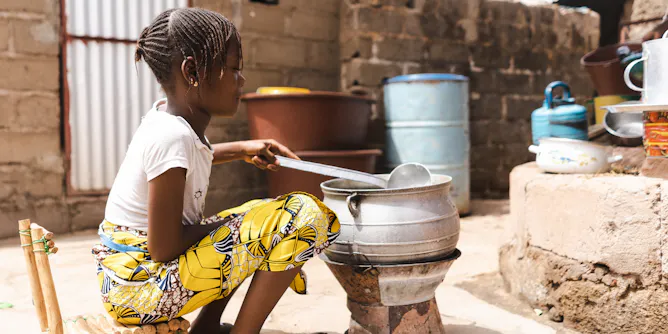
Energy price spikes will force up the cost of grain imports.
Articles on Maize
Displaying 1 - 20 of 40 articles
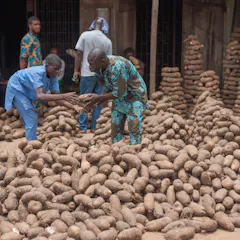
Climate change caused drought and flooding is damaging Nigeria’s staple foods, maize, cassava, millet and yam, smallholder farmers say.

Kenyans and Malawians are paying high prices for maize: regional markets aren’t working well.
The drought is driven by El Niño, an unusual warming of surface waters in the eastern tropical Pacific Ocean that shifts weather patterns.

Corn has its roots in Mexico about 9,000 years ago.

Malawi has lost an energetic, inspirational and progressive future leader.
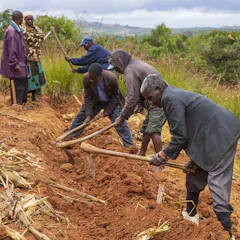
New research has found that smallholder farmers in Malawi can grow bigger maize crops if they plant maize with legumes in deep beds with natural ditches to catch water alongside.

Sweet sorghum has multipurpose post-harvest uses. It can produce grains, animal feed and sugary juice, making it unique among crops.
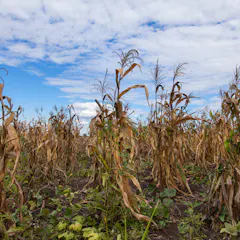
Approximately 22% of Malawians are food insecure, partly because of the poor maize harvest in 2023.
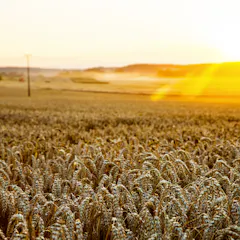
A third of South Africa’s farming income depends on irrigation. Disruptions in power supply put huge chunks of the country’s agricultural fortunes at risk.
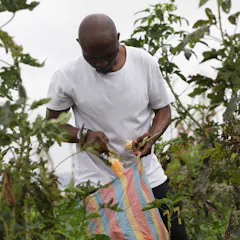
Algorithms can help determine what farm inputs and policies can boost food production.
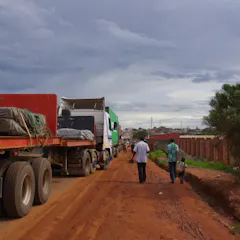
Producers in Zambia should be getting more for their crops, and buyers in East Africa should be paying less, alleviating food price spikes.
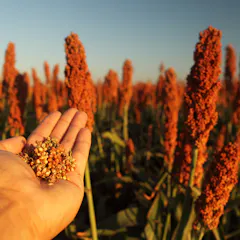
Known as ting or amazimba, indigenous sorghum is resilient and rich in cultural and health benefits – yet crops are declining.
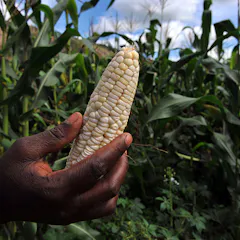
If small-scale farmers can’t afford to grow certified seeds – or can’t find them – food shortages would follow.
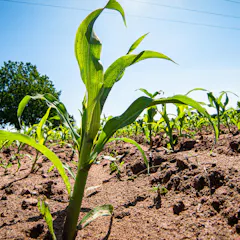
Rising carbon dioxide in the atmosphere may be a boon for maize crops in tropical growing regions like those found in much of Africa.
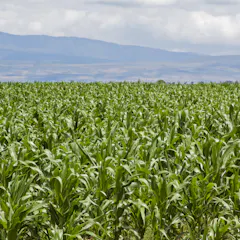
Changes in maize production could create complications for Kenya, sub-Saharan Africa’s major importer, because of its policy on genetically modified maize.

Wheat accounts for about 20% of human calorie consumption, and Russia and Ukraine are both major exporters. The war could hit household food supplies in countries as far apart as Egypt and Indonesia.

A historian argues for conservation strategies that embrace creativity and diverse farming methods.
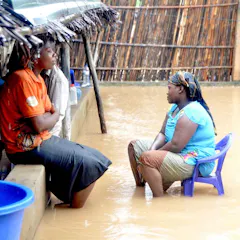
Small and medium-scale farmers and agri-businesses in Southern and Eastern Africa, which are at the heart of inclusive food value chains, are not receiving fair prices for their produce.
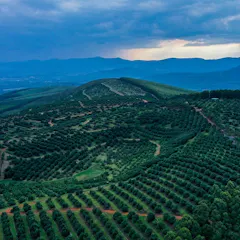
Government support for farmers, higher rainfall and grain imports have helped sub-Saharan Africa stave off food insecurity, but the region isn’t out of the woods yet.
Top contributors
-

Senior Fellow, Department of Agricultural Economics, Stellenbosch University
-
Economist at the Centre for Competition, Regulation and Economic Development, University of Johannesburg
-
Professor of Economics, Centre for Competition, Regulation & Economic Development, UJ, and at SOAS University of London; advisor Shamba Centre for Food & Climate, University of Johannesburg
-
Economist at Centre for Competition, Regulation and Economic Development, University of Johannesburg
-
Director: Research Support and Management, Nelson Mandela University
-
Associate Professor in Zoology & Entomology, University of Pretoria
-
Lecturer in Microbiology, University of KwaZulu-Natal
-
Honorary Research Associate, University of Cape Town
-
PhD student in the Department of Plant and Soil Sciences in the Faculty of Natural and Agricultural Sciences, University of Pretoria
-
Research Program Manager for the Cropping Systems and Economics (CSE) program, Australian Centre for International Agricultural Research
-
Manager: Veterinary Services and Research, Agricultural Research Council
-
Lecturer: Climate Change & Food Security, University of Leeds
-
Visiting Senior Fellow, Department of International Development at the London School of Economics and Political Science and Visiting Senior Research Fellow, The Open University
-
Lecturer: Department of Agronomy, Stellenbosch University
-
Professor at the Lancaster Environment Centre, Lancaster University