
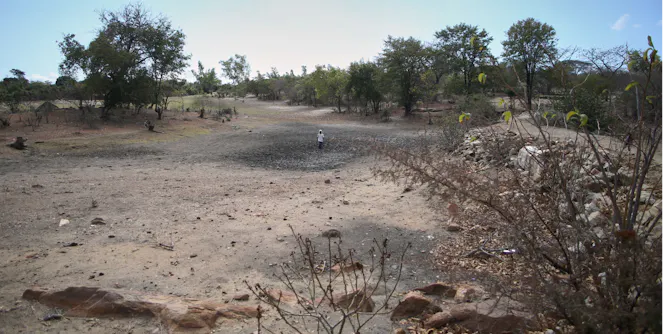
The drought is driven by El Niño, an unusual warming of surface waters in the eastern tropical Pacific Ocean that shifts weather patterns.
Articles on Sorghum
Displaying all articles

Sweet sorghum has multipurpose post-harvest uses. It can produce grains, animal feed and sugary juice, making it unique among crops.
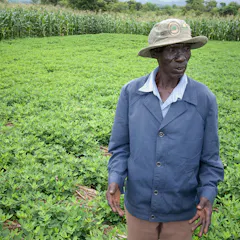
Just three plant species – wheat, maize and rice – account for 60% of all food eaten globally. A crop science expert argues that many of Africa’s 30,000 edible plants must be revived.
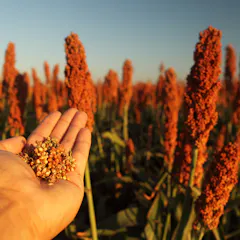
Known as ting or amazimba, indigenous sorghum is resilient and rich in cultural and health benefits – yet crops are declining.
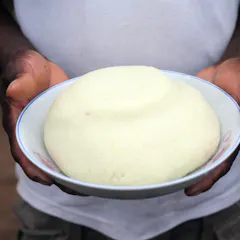
The preparation of ancient meals in prehistoric West Africa combined vegetables, pulses, tubers and, possibly, herbs and spices.
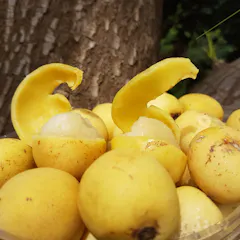
Wider acceptance of indigenous plants could help reduce over-reliance on exotic food varieties.
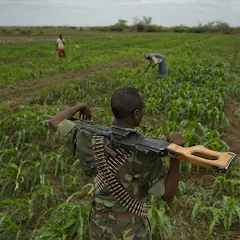
For decades Somalia has been in a near-constant state of food insecurity. This is due to a combination of stagnant crop production, a rapidly increasing population and political unrest.
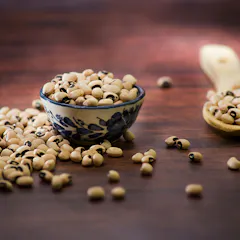
Indigenous foods such as cowpeas can improve people’s nutrition and help them cope with the hunger brought about by the effects of COVID-19 on foreign food imports.
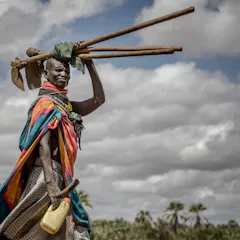
A consistent, predictable and friendly policy environment can attract private sector investments in agriculture to drive transformation.
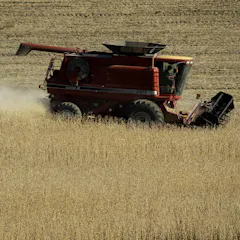
American farmers have suffered the most as a result of China’s retaliatory tariffs yet surveys show they still back the president and his trade war.
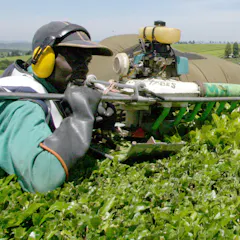
Governments on the African continent must increase their investment in research and development so that science can yield self-sufficiency.
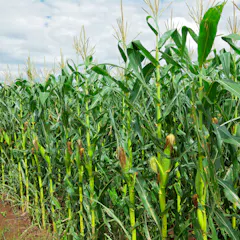
Charcoal rot is associated with yield losses in crucial crops like maize, soybean and sorghum.
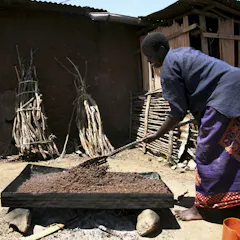
There’s more to fermented foods than a good meal. Scientists are learning just how such foods encourage the growth of probiotics and how this keeps people healthy.
The identification of a new sorghum gene may help feed livestock in the world’s poorest nations. Sorghum is known to be incredibly…
Top contributors
-

Professor of Climate Change, Food Systems and Health and Director of The Lancet Countdown in Africa, London School of Hygiene & Tropical Medicine
-
PhD student in the Department of Plant and Soil Sciences in the Faculty of Natural and Agricultural Sciences, University of Pretoria
-
Lecturer in Microbiology, University of KwaZulu-Natal
-
PhD Student, University of Minnesota
-
PhD Student in Agriscience, Stellenbosch University
-
Global Programs Lead, Seed Science Center, Iowa State University, Iowa State University
-
Professor Emeritus, Cropping Systems Agronomist, University of Minnesota
-
Associate Professor of Agricultural Economics, Cornell University
-
Assistant Professor of Agricultural Communications, Iowa State University
-
Postdoctoral Researcher in Archaeology, University of Bristol
-
Research Fellow in Residence with focus on Future Africa at the Centre for Advancement of Scholarship, University of Pretoria
-
Director, Tegemeo Institute of Agricultural Policy and Development, Egerton University
-
Professor, North-West University
-
Research Fellow, Tegemeo Institute, Egerton University
-
Executive Director of the Somali Agriculture Technical Group and Lecturer, City University of Mogadishu