
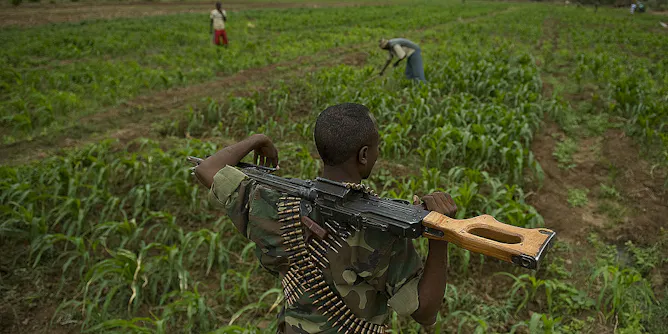
For decades Somalia has been in a near-constant state of food insecurity. This is due to a combination of stagnant crop production, a rapidly increasing population and political unrest.
Articles on Maize
Displaying 21 - 40 of 40 articles
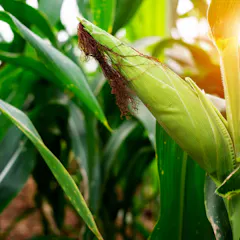
Large-scale droughts can have cascading impacts on food security. They can reduce yield, increase food prices, trigger changes in consumption and lead to unstable supply.
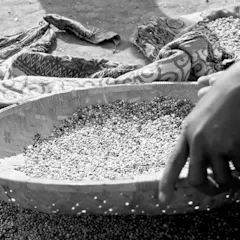
The ex-combatants’ food memories show how they continue trying to make sense of both their past and present experiences of violence.
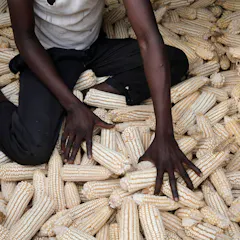
Low productivity is one of the biggest challenges facing Uganda’s maize industry. But smallholder farmers still won’t adopt improved seed.
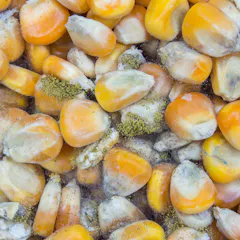
Most of the maize consumed in Kenya is never even tested for aflatoxin.
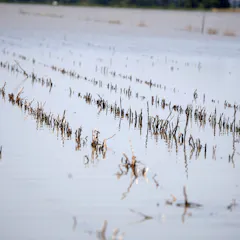
As climate change alters temperature and rainfall patterns, yields of some crops are increasing while others decline. The net result: less food, especially where it’s most needed.

Many of the crop plants that feed us waste 20 percent of their energy, especially in hot weather. Plant geneticists prove that capturing this energy could boost crop yields by up to 40 percent.
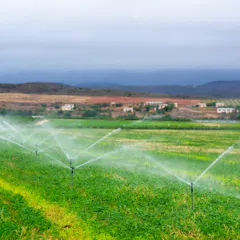
South Africa urgently needs to rethink its existing agricultural model.
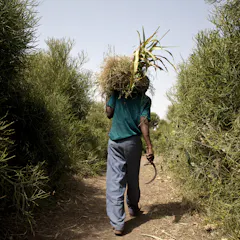
Africa’s declaration to boost agriculture on the continent has seem some progress but a lot still needs to be done.
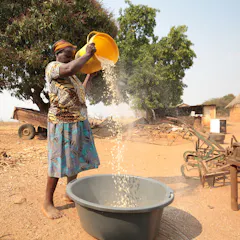
Maize production in Zimbabwe in 2017 is at its highest for decades.
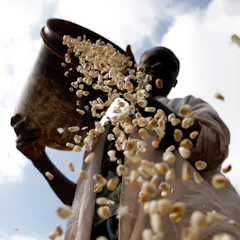
Kenya’s government responded with subsidies to tend to the 2017 maize crisis to ensure that it remained affordable. However, the country needs long term solutions to this perennial challenge.
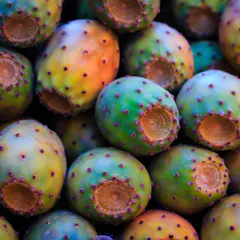
Africa’s orphan crops are under-researched and underutilised. They can be a vital tool in combating food and nutrition insecurity on the continent.
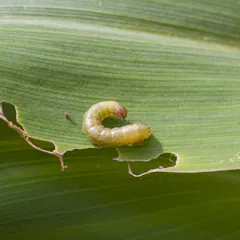
Fall armyworms have a number of characteristics that make them particularly hard to control. They are strong fliers, can breed at a high rate and also develop quick resistance to pesticides.
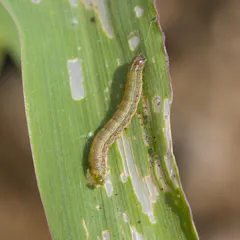
A combination of armyworms native to Africa and those normally found in the Americas are ravaging crops in sub-Saharan Africa.
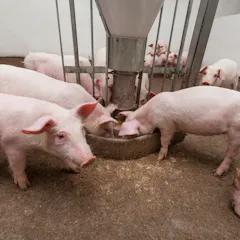
High feed costs is limiting pig production in Africa. There are alternatives. The industry must find ways to use available feeds from industries that process agricultural products
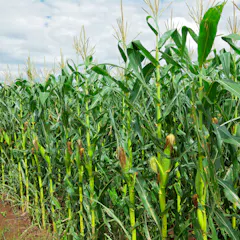
Charcoal rot is associated with yield losses in crucial crops like maize, soybean and sorghum.
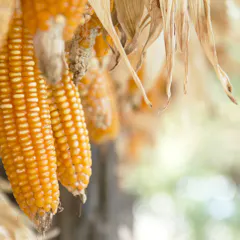
The problem of climate change and crop development represents a challenge for agricultural systems across the globe.
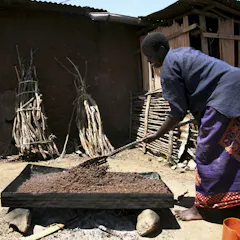
There’s more to fermented foods than a good meal. Scientists are learning just how such foods encourage the growth of probiotics and how this keeps people healthy.
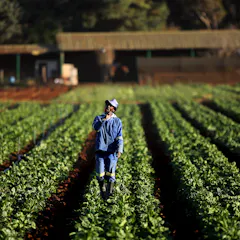
Only a few African countries are using genetically modified organisms for their crops.
The demand for water is more responsible for lower crop yields under the influences of global warming than are increases…
Top contributors
-

Senior Fellow, Department of Agricultural Economics, Stellenbosch University
-
Economist at the Centre for Competition, Regulation and Economic Development, University of Johannesburg
-
Professor of Economics, Centre for Competition, Regulation & Economic Development, UJ, and at SOAS University of London; advisor Shamba Centre for Food & Climate, University of Johannesburg
-
Economist at Centre for Competition, Regulation and Economic Development, University of Johannesburg
-
Director: Research Support and Management, Nelson Mandela University
-
Associate Professor in Zoology & Entomology, University of Pretoria
-
Lecturer in Microbiology, University of KwaZulu-Natal
-
Honorary Research Associate, University of Cape Town
-
PhD student in the Department of Plant and Soil Sciences in the Faculty of Natural and Agricultural Sciences, University of Pretoria
-
Research Program Manager for the Cropping Systems and Economics (CSE) program, Australian Centre for International Agricultural Research
-
Manager: Veterinary Services and Research, Agricultural Research Council
-
Lecturer: Climate Change & Food Security, University of Leeds
-
Visiting Senior Fellow, Department of International Development at the London School of Economics and Political Science and Visiting Senior Research Fellow, The Open University
-
Lecturer: Department of Agronomy, Stellenbosch University
-
Professor at the Lancaster Environment Centre, Lancaster University