

Brain regions associated with threat and aversion are activated when we feel lonely and rejected.
Articles on Loneliness
Displaying 161 - 180 of 246 articles
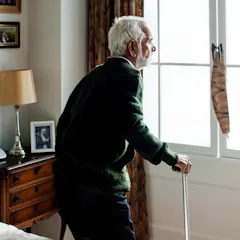
For many people living in residential aged care, their priority is quality of life, not length of life. So how do we reconcile this with the need to restrict visitors during the coronavirus pandemic?

Most people in the West are used to some form of solitude from time to time. But this is a fairly new normal.

We live in the time of the ‘quantified self’. This means we’re constantly under pressure to use technology to ‘optimise’ ourselves, and may be why many people view gaming as a ‘waste of time’.

The ‘tough guy’ is a cultural archetype that political leaders have long adopted. But during crises, Americans tend to look for a different kind of hero.

Stress, loss, loneliness and isolation are key factors in clinical depression, which affects millions. The US was unprepared for COVID-19 – will it remain unprepared for its medical aftermath?
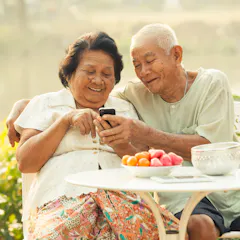
From Facebook to WhatsApp, technology is important to keeping older generations from feeling lonely while social distancing during coronavirus

As people social distance, a new social life and community can be found online.

Government policies and nursing home operators will need to navigate a delicate balance: how to protect older people from COVID-19 while maintaining their rights to social engagement.

Humans are innately social, so periods of enforced quarantine or isolation will be a challenge. But there are some things we can do to ensure being isolated doesn’t translate to feeling lonely.

Top tips for staying mentally well in a time of this pandemic.
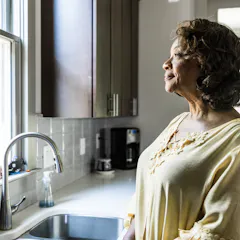
Physically isolating yourself can feel psychologically isolating too. But there are ways to maintain connections in these crazy coronavirus times.

Socially isolated people have higher levels of C-reactive protein and fibrinogen.

There is heavy social media use among both the most lonely and least lonely people. So what exactly is the relationship between social media use and loneliness?

More attention needs to be paid to loneliness’s complex history.

Loneliness is a bigger cause of death than a poor diet, obesity, alcohol consumption, and lack of exercise, and it’s on a par with heavy smoking. So let’s get talking about it.

Sexbot advertising promises more than just sex toys. It is also trying to sell us a soulmate or trusted friend.

Simple policies, such as the free bus pass for older adults, not only reduce loneliness but also help older people maintain cognitive function.

Cuddles and slobbery kisses, meeting other dog owners in the park and a general lift in mood all likely help new dog owners feel less lonely, our new study suggests.

These inspirational food sharing initiatives around the world demonstrate that sustainable food system can – and should – be democratic.
Top contributors
-

Associate Professor, Sydney School of Public Health, University of Sydney
-
Assistant Professor in Health Sciences, Simon Fraser University
-
Senior Research Fellow, Matilda Centre for Research in Mental Health and Substance Use, University of Sydney
-
Professor Applied Social and Policy Research; Director, Centre for Loneliness Studies, Sheffield Hallam University
-
Professor, Academy of Geography, Sociology and International Studies, Hong Kong Baptist University
-
Professor of English, University of Connecticut
-
Professor of Gerontology and Public Health, Brunel University of London
-
Professor & Director, Hub for Apple Platform Innovation (HAPI), School of Computing Technologies, RMIT University
-
Reader in Education with Psychology and Centre for Death and Society, University of Bath
-
Associate Professor, Social & Behavioural Health Sciences, Dalla Lana School of Public Health, University of Toronto
-
Professor of Urban Health and Environment, UNSW
-
Professor in Modern History and UKRI Future Leaders Fellow, King's College London
-
Lecturer in Sociology, Deputy Director of the Centre for Ageing and the Life Course, University of Liverpool
-
Professor of Cities and Planetary Health, ARC Future Fellow in nature-based solutions for loneliness, University of Sydney
-
Associate Professor of Psychology and Inclusion, University of Bristol