

Seeking isolation can lead to creativity and a deeper understanding of oneself, as these artworks show.
Articles on Lockdown
Displaying 201 - 220 of 558 articles

TV programmes with certain themes can help boost our mood.
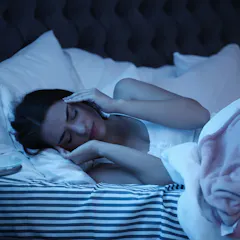
A year into the pandemic, sleep scientists are beginning to understand how our sleep has changed.

Moving Auckland to level 3 for a week gives health officials time to track down additional cases and shut off chains of transmission. But we should also be prepared for a wider outbreak.

The pandemic has highlighted how remote country communities need flexible transport options that better serve their unique needs.
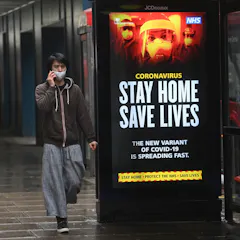
The UK government has announced a four-stage plan for ending COVID-19 restrictions.
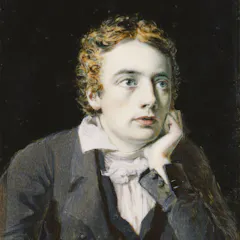
The doctor-turned-poet died 200 years ago.

A panel of winter sports experts told us that pandemic-enforced technological advances are providing hope for the shattered sector.
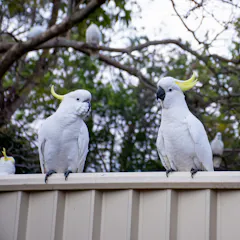
I collected data about my neighbourhood sulphur-crested cockatoos while stuck home in Melbourne’s lockdown. I learned that each bird can eat 200 onion grass plants per hour.
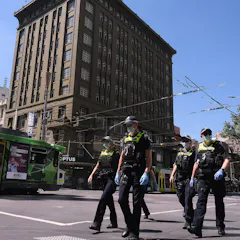
We need to rigorously analyse data from recent lockdowns, so we can respond better to future outbreaks.
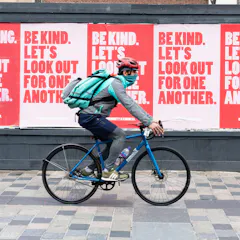
Since the pandemic began, we’ve surveyed ordinary people to see how they’re coping. People from poorer backgrounds, ethnic minorities and young people are suffering most.
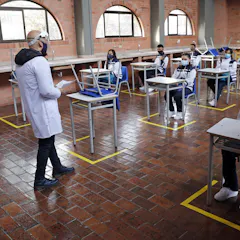
When people start to hear that global case numbers are improving, there’s a tendency to relax — and that’s risky.
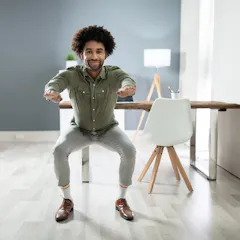
Short, 20-second bursts of activity — known as exercise ‘snacks’ — throughout the day have many benefits, from boosting energy and productivity to improving cardiorespiratory fitness.
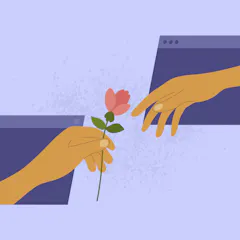
We might be separated but poems can help bridge the gap and express the sadness of being apart this Valentine’s Day.
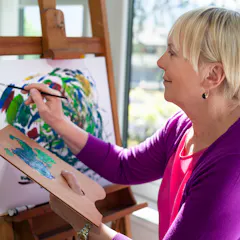
Research shows hobbies may lower levels of depression.

Lockdown may be a socially alienating experience, but for this academic, art has been especially redeeming.
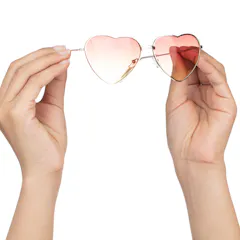
People create beliefs about their romantic partner that affect how they respond to them and interpret their behaviour. These beliefs can act as rose-tinted glasses, or as a darker lens.

Many studies have assumed that lockdowns are the leading driver of economic downturns – but evidence suggests otherwise.

A study examined the psychological and social experiences of over 600 women with babies between birth and 12 weeks during the first UK lockdown.

There can be few more uplifting ways to stay connected during lockdown than singing together, which goes a long way to explaining the success of the Wellerman sea shanty on TikTok.
Top contributors
-

Chair in Epidemiology, Deakin University
-
Pro Vice-Chancellor, Climate, Sustainability and Inequality and Director, Southern Centre for Inequality Studies, University of the Witwatersrand
-
Associate Professor, Epidemiology, Deakin University
-
Former Dean of the Faculty of Health Sciences, University of the Witwatersrand
-
Chair of Social Security Systems Administration and Management Studies, Adjunct Professor in the School of Governance, University of the Witwatersrand
-
Reader in Health Economics, Centre for Health Economics, University of York
-
Professorial Fellow, University of Canberra
-
Professional Research Fellow, Victoria University
-
Professor of Philosophy of Science, Durham University
-
Scientia Professor of Economics, UNSW
-
Senior Researcher, Southern Centre for Inequality Studies, University of the Witwatersrand
-
Dean Faculty of Health Sciences and Professor of Vaccinology at University of the Witwatersrand; and Director of the SAMRC Vaccines and Infectious Diseases Analytics Research Unit, University of the Witwatersrand
-
Professor of Philosophy, University of the Witwatersrand
-
Research Fellow in Health Economics, University of York
-
Professor of Public Health, University of Sheffield