

Every city is different but they can learn from each other.
Articles on Lifestyle diseases
Displaying 1 - 20 of 25 articles
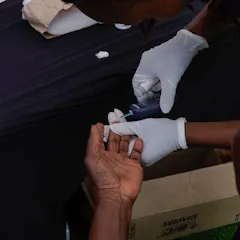
Many African food groups significantly reduce oxidative stress linked to type 2 diabetes and lower the production of inflammatory markers.

The modernisation of small towns, while positive economically, brings hidden health costs.

Genetic modifications to DNA regions involved in metabolism, cholesterol and immunity may play a role in ALS disease progression.

Governments must take urgent action to prevent noncommunicable diseases from becoming an uncontrollable epidemic in sub-Saharan Africa. Sugar-sweetened beverage taxation offers a potential solution.

Without reliable, local and timely data, countries will miss the potential of sugar-sweetened beverage taxation as a public health intervention.

Lifestyle medicine targets the root of chronic diseases like obesity, heart disease and diabetes. Experts explain why everyone should embrace these free prescriptions for good health.

At the turn of the century, the greatest threats were posed by infectious diseases today, the biggest threats are posed by lifestyle diseases.

Health coaching looks like more than a fad – it comes with impressive research findings and is winning over the NHS.

There are many benefits to walking - whether you do it in a group or on your own.
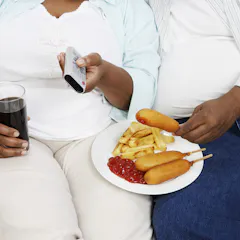
South Africa has the highest obesity levels in Africa but blaming sugar neglects the many factors at play in this complex health issue.

Atrial fibrillation is a condition that causes a
rapid and irregular heartbeat. The normal heart rate lies between 60 and 100 beats per minute.
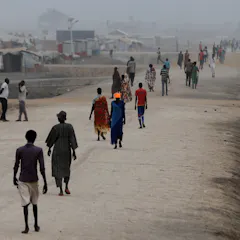
Regular physical activity energises you to perform daily chores, deal with stress better and improves your quality of sleep.

Better technology to diagnose, treat and manage the disease early enough is needed to improve the survival rates of childhood cancer in sub Saharan Africa.

Research has yet to reveal why and how obesity rates have surged around the world in the past few decades.

So-called lifestyle diseases such as cancer and heart disease have been rising in Africa, adding to the already huge burden of disease in poor countries. But the research has not kept pace.

In many rural areas, poor people are suffering from malnutrition, which takes the form of stunting and obesity. To change this, their food environments must change.

Doctors in South Africa have not been doing enough counselling of people who drink, smoke, don’t exercise and eat badly on ways to change their lifestyles.

With one can of cool drink containing six teaspoons of sugar – your recommended sugar intake for the day – there is a need to reduce the number of sugar-sweetened beverages South Africans consume.
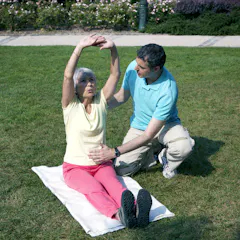
A global health and disease study shows we’re living longer, but spending more years in poor health. But there are some things within our power to change.
Top contributors
-

Professor and Programme Director, SA MRC Centre for Health Economics and Decision Science - PRICELESS SA (Priority Cost Effective Lessons in Systems Strengthening South Africa), University of the Witwatersrand
-
Postdoctoral fellow, Johns Hopkins University
-
Professor of Public Health, The University of Melbourne
-
Prof, Haematology and blood transfusion, University of Nairobi
-
Head Anthropologist at the Wits Health Consortium, University of the Witwatersrand
-
Senior Lecturer, Division of Family Medicine and Primary Care, Faculty of Medicine and Health Sciences, Stellenbosch University
-
Associate Research Scientist, African Population and Health Research Center
-
Course coordinator for postgraduate level Certificate in Ergonomics, Rhodes University
-
Deputy Vice Chancellor in-charge of Research, Innovation and Outreach, KCA University
-
Senior Researcher, SA MRC Centre for Health Economics and Decision Science, PRICELESS SA, Faculty of Health Sciences, Wits School of Public Health, University of the Witwatersrand
-
Post-doctoral fellow, University of British Columbia
-
Senior research associate, Northumbria University, Newcastle
-
Professor of Public Health, Griffith University
-
Professor (Hon) at Monash University, Baker Heart and Diabetes Institute
-
Senior Researcher, Health Coaching, University of Dundee