

Historians are working to shine a light on Alice Ball’s legacy and contributions to an early treatment of a dangerous and stigmatizing disease.
Articles on Leprosy
Displaying all articles
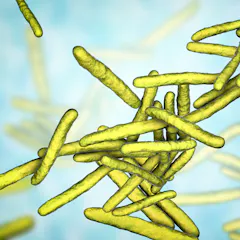
People often think of leprosy as a bygone disease, relevant primarily in biblical times. But in fact, it is still present in more than 120 countries, and the US is seeing an uptick in cases.
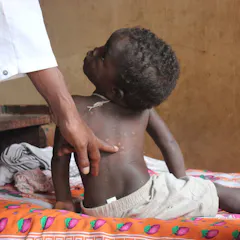
Neglected tropical diseases are often associated with social exclusion as well as physical suffering. One billion people around the world suffer from these diseases.
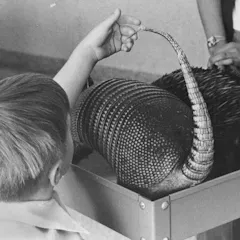
Museum archives hold biological specimens that have been collected over years or even decades. Modern molecular analysis of these collections can reveal information about pathogens and their spread.

Father Damien’s legacy has inspired health providers and humanitarians for over a century.

Progress against neglected tropical diseases is now at real risk of reversal as a result of the COVID-19 pandemic.
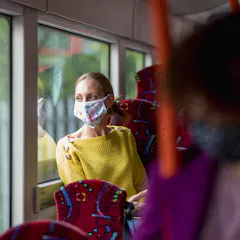
As ready as you are to be done with COVID-19, it’s not going anywhere soon. A historian of disease describes how once a pathogen emerges, it’s usually here to stay.
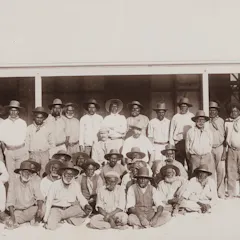
Aboriginal communities have a long history of fighting off disease outbreaks – and self-determination is vital to their success.
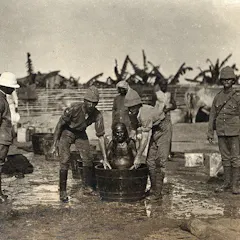
Racism against fellow Indians and classism against the poor characterised India’s early response to coronavirus, that is reminiscent of British imperial public health policies.

Even before people understood how germs spread disease, they tried to isolate the sick to keep them from infecting others.

Armadillos and humans are linked in the strangest of ways. Armadillos are the only other species known to get leprosy. A surge in cases in Brazil gives reason for concern there and in the US.

World TB Day will be observed March 24, with the good news that deaths from tuberculosis are declining. But a trend toward confining those with TB threatens to stall advances.

Some have a strain that is almost identical to one that infected humans in the middle ages.

Thalidomide is notorious for causing death and disability but it – and its derivatives – are proving useful for conditions such as leprosy.
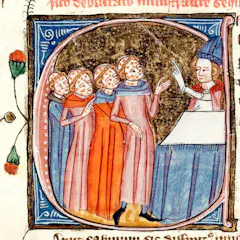
Does Greyscale’s allure for contemporary audiences have to do with disfigurement?
Top contributors
-

Assistant Professor of Behavioral Medicine, Medical Humanities, and Bioethics, Des Moines University
-
Professor of Public Health, Adelphi University
-
Associate Professor, leprosy researcher, Colorado State University
-
Professor in Developmental Biology, University of Aberdeen
-
Researcher, Georgetown University
-
Lecturer in Animal Science, Nottingham Trent University
-
Ph.D. Candidate in Ecology of Infectious Diseases, University of Kansas
-
Lecturer in Modern Extra-European History, University of East Anglia
-
Professor of Dermatology , University of Lome
-
Scientific Co-Director and Associate Professor, University of Waterloo
-
Professor of Parasitology and Epidemiology, Federal University of Agriculture, Abeokuta
-
Professor and Head of Dermatology, Rutgers New Jersey Medical School, Rutgers University
-
Senior Lecturer in Immunology of Infectious Diseases, Kwame Nkrumah University of Science and Technology (KNUST)
-
Doctoral candidate ANU, Australian National University
-
Associate Professor of History, Rutgers University - Newark