
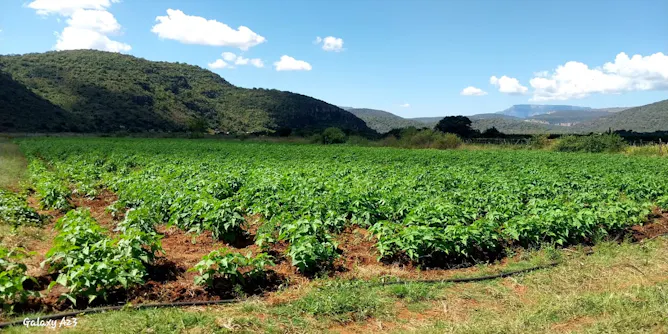
Rhizobia-based fertiliser technology is cost-effective, non-toxic and sustainable.
Articles on Legumes
Displaying 1 - 20 of 22 articles
Two-thirds of the UK’s population eat less than one portion of beans each week.

Beans are best all round, followed by veggie burgers and lab-grown beef.
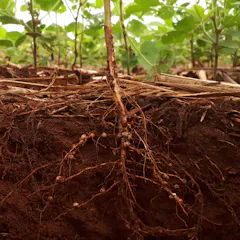
New technology could unlock the soil-enriching nitrogen-fixing ability of legumes…and one day apply this to other crops too.
Fermented foods are a key component of west African cuisine. Making them safer for consumption should be a priority.
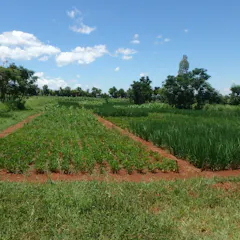
Growing legumes could at once provide African farmers with fertilisers and food crops. However, researchers warn this is not a one-size-fits-all solution.
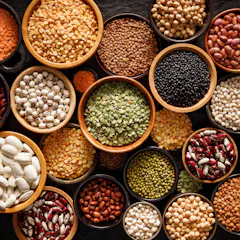
Pulses are important for many reasons. They are packed with nutrition, resilient and crucial for achieving food security in Africa.
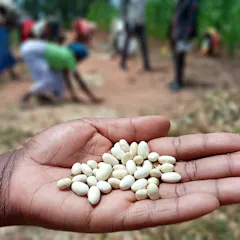
Reviving long-lost legume species could help improve global food security and decrease world hunger.
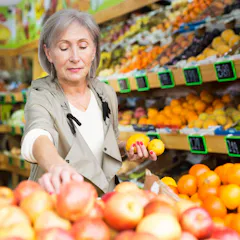
Diets high in legumes, whole grains, nuts and less red and processed meat were shown to be more beneficial for longevity.

Vegetables, fruits and legumes are nutritious and sustainable – but subsidies overwhelmingly neglect them.
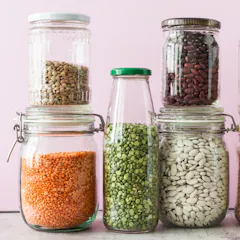
Legumes have a superpower: they can convert nitrogen in the air into a form plants can use to grow.
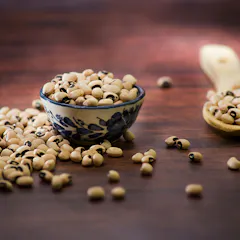
Indigenous foods such as cowpeas can improve people’s nutrition and help them cope with the hunger brought about by the effects of COVID-19 on foreign food imports.
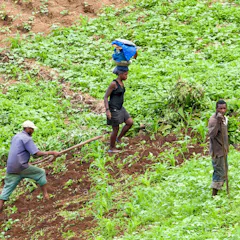
Indigenous beans could enhance food security in Cabo Verde which depends on food imports.
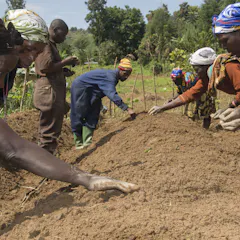
Improved seeds can alleviate a food security crisis deepened by COVID-19.

Anti-nutrients naturally occur in food and can block the amount of other nutrients available for your body to use. But their effects aren’t all bad, which is why they’re undergoing an image makeover.
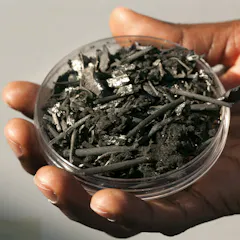
Unused biomass residues from maize, sorghum, rice, millet and groundnut in Uganda show to offer unique opportunities for circular production and soil amendment of biochar.
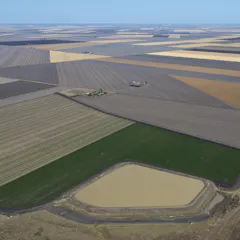
There are plenty of barriers, but if we really want to we can feed the world on plant protein (largely from legumes).

The Impossible Burger contains an ingredient made by genetically modified yeast. So is this new veggie burger organic? Vegan? A GM product?

From donuts to avocados, food impacts your heart health. Here we delve into the science of how to eat – to reduce your chances of cardiovascular disease.

Increasing legume production can turn the tide for African farmers who struggle with poor soils, declining farm yields and worsening nutrition in one fell swoop
Top contributors
-

Senior Researcher on Environment and Health, University of Oxford
-
Researcher at the University of Pretoria, University of Pretoria
-
Research Associate in Plant Biology, University of Cambridge
-
Clinical Instructor of Land and Food Systems, University of British Columbia
-
Associate Professor in Agri-Sustainability, University of Galway
-
PhD Student Tropical Knowledge and Managment at Nova SBE (specializes in genetics and agrobiotechnology), Nova School of Business and Economics
-
Écologue agronome, Cirad
-
PhD Candidate in Sustainable Agriculture, Bangor University
-
Senior Lecturer in Nutrition, Food, and Health Sciences, Teesside University
-
Chercheure en agronomie du système de culture et modélisatrice, Cirad
-
Theme Leader, Seed Systems at ICRISAT, CGIAR
-
PhD, Remote sensing scientist, Cirad
-
Professor Emeritus of Biochemistry, University at Buffalo
-
Assistant Professor of Botany, Trinity College Dublin
-
Senior research group leader in the Enabling Nutrient Symbioses in Agriculture (ENSA) project, University of Cambridge