
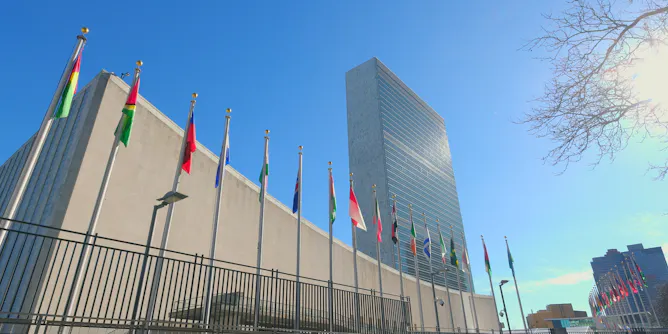
The UN’s Pact for the Future is a sweeping document aimed at guiding international action to resolve current crises and shift its focus to the future.
Articles on League of Nations
Displaying all articles
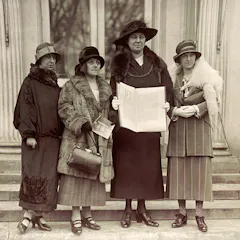
A tour of the US was the culmination of an extraordinary peace campaign that gathered 390,296 signatures from women all over Wales. So why does it not appear in any history books?
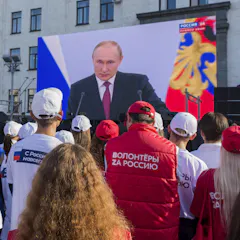
History tells us that non-recognition works and that simply accepting illegal invasions sets a dangerous precedent.

The West’s new approach to Russia – bar it from international organizations, restrict international trade, prevent further military moves – looks just like how it treated Russia in the 20th century.
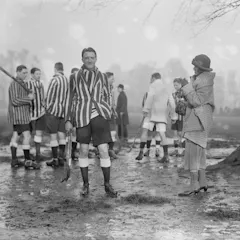
Post-war government support saw ex-servicemen head to university by the tens of thousands. Their distinct perspective – and their numbers – shaped 1920s student life
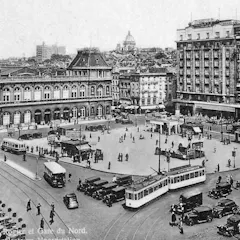
the International Financial Conference in Brussels in 1920 hoped to reset the global economic order after a disastrous world war and pandemic. It hold lessons for leaders today.
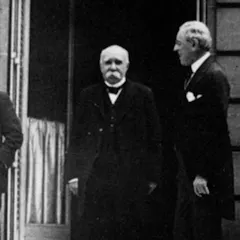
Suffering a pandemic and the aftermath of a war that killed 50 million, the world in 1920 faced a turning point as it negotiated a new political order. As today, the key issue was racial inequality.

There are two histories of dagga in South Africa - the one of criminalising it and the other of the state trying to make money off it.
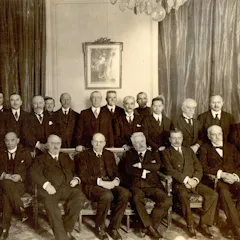
The League of Nations was established 100 years ago today. This precursor to the United Nations was dominated by men but many Australian women worked hard to gain a voice there.
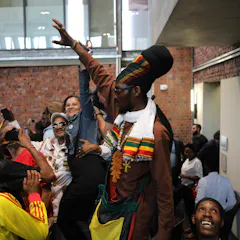
Court ruling may well undo decades of often racist cannabis law enforcement.
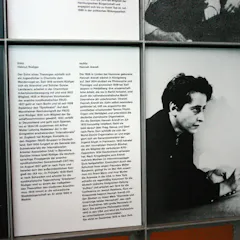
The 20th-century philosopher Hannah Arendt wrote how refugees, in the absence of legal rights, were forced to live in a state of ‘absolute lawlessness.’ Her words matter today.
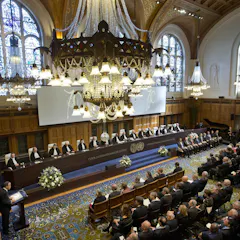
UN appointments frequently centre as much on politics as they do on qualifications for the role.
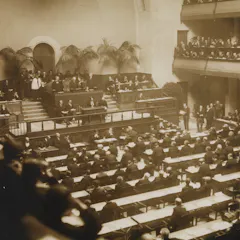
Both the EU and UK would do well to heed the lessons of the League of Nations when it comes to membership withdrawal.
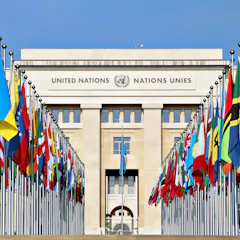
Like the League of Nations before it, the UN is often dismissed as a powerless talking shop or a proxy for the great powers. It’s much more than that.
In the 20th century, governments considered the “total abolition” of passports as an important goal and discussed the issue in several international conferences.
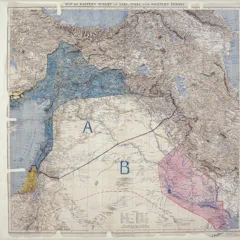
The leaders of Islamic State do not see their caliphate as an exercise in theocracy for its own sake, but as an attempt at post-colonial emancipation.
Top contributors
-

Senior Lecturer in International Politics, Aberystwyth University
-
Professor of Welsh and Celtic Studies, Aberystwyth University
-
Maitre de Conférences, Université Paris Cité
-
Jean Monnet Fellow (European University Institute) & Reader in History, Edge Hill University
-
Professor Emerita of Women's Studies, San Diego State University
-
DPhil International Politics, College of Europe
-
Professor of Law, Conflict and Global Development, University of Reading
-
Professor of History, University of Johannesburg
-
Assistant Professor of International Studies, Leiden University
-
Assistant Professor in Modern Middle Eastern History, University of Birmingham
-
Assistant Professor, University of California, Santa Barbara
-
Professor and Mohamed S. Farsi Chair of Islamic Peace, American University School of International Service
-
Associate Professor of European History, Northumbria University, Newcastle
-
Senior lecturer, Canberra School of Government, University of Canberra
-
Postdoctoral Research Associate, Northumbria University, Newcastle