

Leaders who promote a bit of fun in the workplace can help their employees engage and be more innovative and actually want to come to work.
Articles on Leadership style
Displaying all articles

Opposition Leader Christopher Luxon’s response shows he is willing to set aside personal values for what is politically expedient, choosing pragmatism over idealism.
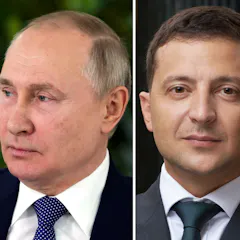
The current conflict in Ukraine has three key leaders, each of whom uses a different approach to the crisis.

When early childhood education providers become more entrepreneurial, the quality of their programs improves, research shows.

Want more meaningful work? Find an employer commited to environmental sustainability, social responsibility and most of all inclusive leadership.
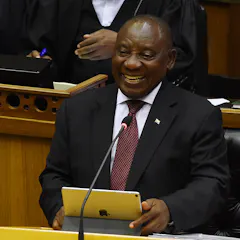
Ramaphosa is constrained by his tenuous control over South Africa’s governing party, the ANC.

Emerging Māori leaders successfully weave traditional practices with contemporary influences on leadership styles.
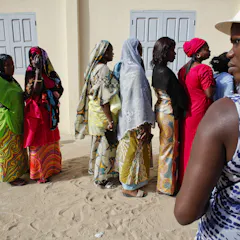
To understand why women in Africa are less politically represented than men, one needs to look into the history of the continent’s gender gap when it comes to matters of leadership and governance.
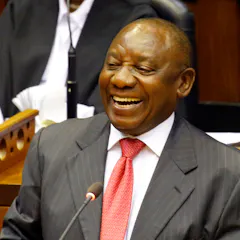
What makes a successful presidential performance and does South Africa’s Cyril Ramaphosa stack up?
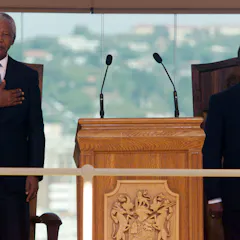
South Africa, following its peaceful transition, occupied the moral high ground and could influence the agenda of intergovernmental bodies like the United Nations. Not anymore.

We may often criticise our lack of leaders. But leadership is not easy to define – even by leaders themselves.
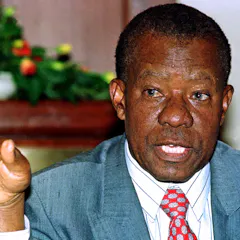
Botswana’s late president Ketumile Masire was original and daring. He should be remembered for his courage and prudence.

Is it time to put a moratorium on the meaningless word ‘leadership?’ In the business world, leadership now often simply means performing mundane managerial duties.

Trump’s reaction to the violence in Charlottesville, Virginia, prompted business leaders to sever ties with two White House councils.

Recent incidents reveal more than just men behaving badly. They show the consequences when corporate cultures are driven by hyper-masculine personalities at the top.

The number of “knowledge workers” in Australia is rising but they present a unique challenge to managers.
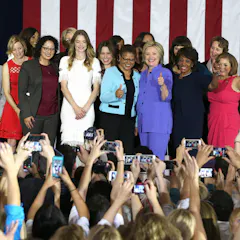
The words we use to describe male and female leaders are a good guide to our deeply held sexist assumptions.

There’s a widening global crisis in the legitimacy and credibility of leadership. It can be attributed to five sources: unable; unintelligent; immature; immoral and/or destructive leadership.
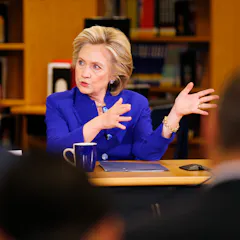
Studies can’t predict an individual’s behavior. But meta-analyses of social science research turn up differences in men’s versus women’s leadership styles, on average.
Top contributors
-

Professor of Organisation Theory, University of Bath
-
Assistant Professor, The College of Idaho
-
Adjunct Senior Lecturer, Applied Ethics and CyberSecurity, Griffith University
-
Executive director, Africa Institute of South Africa, Human Sciences Research Council
-
Professor of Leadership and Organisation Studies, Durham University
-
Senior Lecturer/Associate Professor in Leadership, University of the West of Scotland
-
Professor of Psychology; Faculty Fellow Institute for Policy Research; Professor of Management and Organizations, Northwestern University
-
Senior Lecturer in Organisation Studies, Director of Research Impact, University of Exeter
-
Resident Physician in Emergency Medicine, Brown University
-
Senior Lecturer in Managerial Communication, MIT Sloan School of Management
-
Professor and Ken Croft Chair in Management, Haskayne School of Business, University of Calgary
-
Associate Professor of International Business and Strategy at the D'Amore-McKim School of Business, Northeastern University
-
Research Fellow at the Nelson Mandela School of Public Governance, University of Cape Town
-
Former Professor and Head, Department of Industrial Psychology and People Management, University of Johannesburg
-
Professor of Early Care and Education Leadership, Policy, and Practice, UMass Boston