
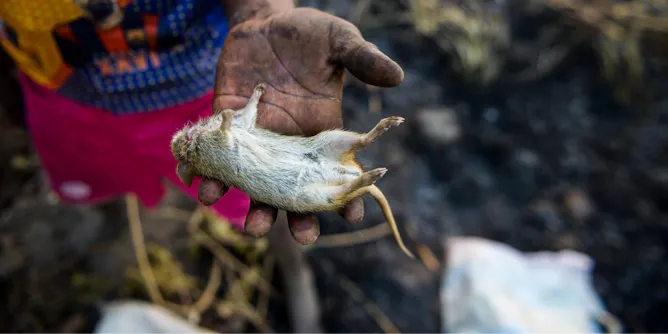
Lassa virus kills about 1% of those who catch it, but if caught early enough, antiviral drugs can prevent serious illness.
Articles on Lassa Fever
Displaying all articles
Given the small number of people that have been affected, the threat to the wider community is low.

Nigeria’s management of the COVID-19 outbreak, and other future outbreaks, will require improved diagnostic capacity, effective testing and tracing, and massive investment in health infrastructure.

Emphasizing foreign origins of a disease can have racist connotations and implications for how people understand their own risk of disease.
While identifying a new disease by its place of origin seems intuitive, history shows that doing so can have serious consequences for the people that live there.
Concerned about rising cases and spread of Lassa fever, the Nigerian Academy of Science has called on government to declare it a national health emergency.

Sharing data openly across regions and organisations can help to accelerate preparedness and responses to public health emergencies.
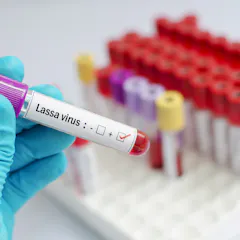
CC BY-NC-ND5.06 MB (download)
Nigeria has a massive battle tackling Lassa fever.
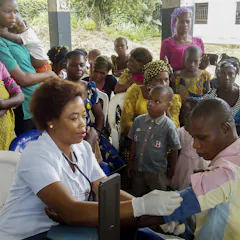
Nigeria’s health systems are overwhelmed and incapable of sustaining high quality disease surveillance, prevention, control and response.
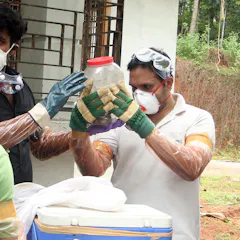
It doesn’t just seem like the world is experiencing more viral infections than before – it’s a reality. And the way humans live today helps viruses thrive.
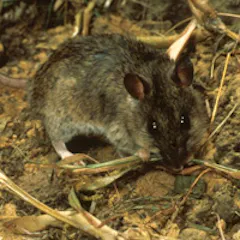
Lassa outbreaks are becoming more widespread in Nigeria but have not been given national emergency status like Ebola.

Cold War, dictators and cover-ups – Ebola’s secret history.

Newly appointed Nigerian Health Minister Isaac Adewole is focused on providing primary healthcare services.
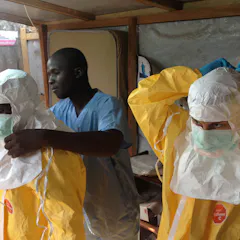
The current epidemic of Ebola, which started in March 2014, has reached Lagos, the most populous city in the most populous country in Africa. This is a huge concern. And while Margaret Chan, director-general…
Top contributors
-

Fellow, Nigerian Academy of Science
-
Assistant Professor of History, University of Pittsburgh
-
Resident Advisor, Nigeria Field Epidemiology and Laboratory Training Programme, Ahmadu Bello University
-
Research Fellow/Research Uptake Officer of the Health Policy Research Group, University of Nigeria
-
Professor of Eye & Vision Health, Flinders University
-
Professor of Comparative Pathology, University of Cambridge
-
Executive Secretary, Nigerian Academy of Science
-
Lecturer in Virology, Queen's University Belfast
-
Senior Lecturer in Biomedical Science, University of Hull
-
Professor of Molecular Biology and Genomics, Redeemer's University
-
Adjunct Professor, Njala University
-
Pathobiology and Population Sciences, Royal Veterinary College
-
PhD researcher, Cornell University
-
Researcher in Molecular Microbiology and Immunology, Johns Hopkins Bloomberg School of Public Health, Johns Hopkins University
-
Professor, College of Medicine and Public Health, Flinders University