
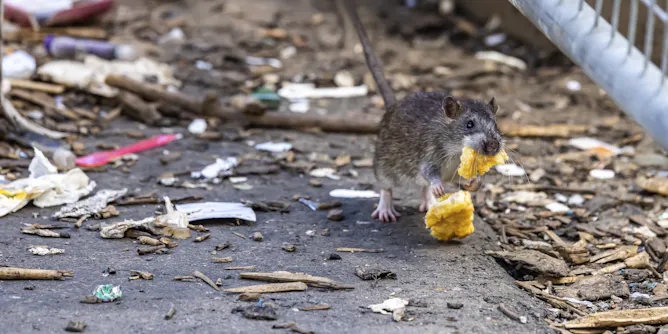
Weak surveillance and climate change could allow deadly hantaviruses to spread unnoticed across African countries, raising the risk of future outbreaks.
Articles on land use change
Displaying 1 - 20 of 25 articles
Without accounting for land use, Australia’s emissions have only decreased 3% since 2005 – not the 27% cut you might have heard.
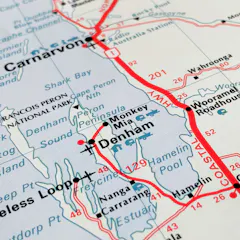
Emissions pathways act as a map of the future, showing us how to get from where we are to where we want to be.
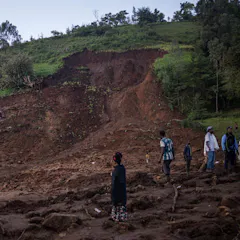
Half of Ethiopia’s territory is prone to medium to very high landslide risk.
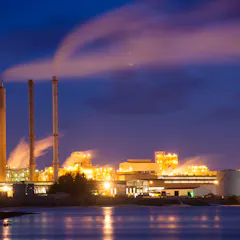
Labor came to power promising real change on climate. But their reliance on accounting tricks, carbon sinks, offsets and a future for gas has cast a very large cloud.
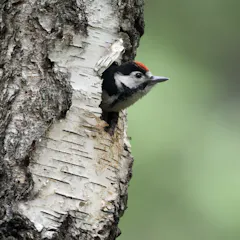
England’s new ‘biodiversity net gain’ policy is ambitious, but researchers have identified flaws and loopholes.
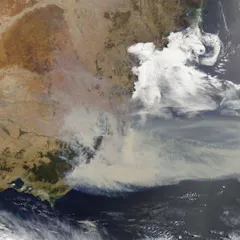
The most comprehensive Australian carbon budget assessment completed to date shows the nation flip-flops from source to sink of carbon emissions, depending on the prevailing conditions.
Australia’s latest climate change statement shows we have little hope of reaching net zero emissions by 2050. There’s good news on the 2030 target, but then what?
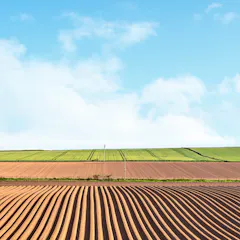
Britain has lost large areas of semi-natural habitat since the 1930s.
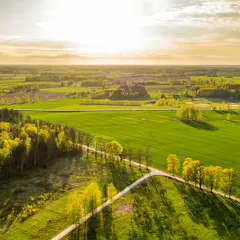
A new study suggests a radical rejigging of where food is grown. But is such a world even possible?
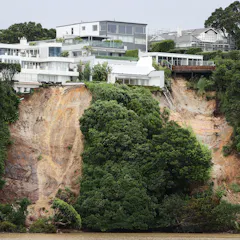
Building too close to cliffs and slopes, weak soils, lack of vegetation and increased rainfall all played a part in the massive storm damage to Auckland. The city needs to change the way it uses land.
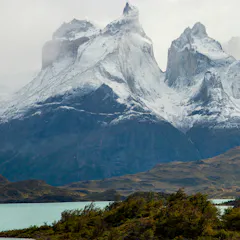
Mountain environments are rich in plant and animal species, but the dual threat of human habitation and climate change means urgent action is needed to protect them.

Environmental footprint calculators may promise to help consumers lead a greener life. But they may in fact encourage choices that don’t benefit – or even harm – the environment.
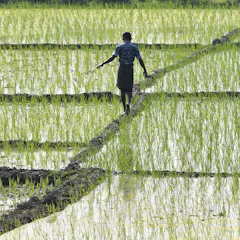
A new study provides a detailed way to calculate the climate impact of food production, which could lead to more sustainable farming policies and methods.
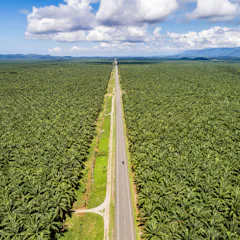
To protect natural ecosystems we will need a system that actually counteracts market forces.

Abandoned US oil and gas wells and their associated land cover more than 2 million acres, a recent study estimates – an area larger than Delaware and Rhode Island combined.
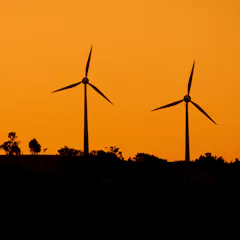
The transition to 100% renewable energy will require a lot of land – mostly in regional Australia. This presents big challenges, and opportunities, for the farming sector.

Food farmed in tropical and Mediterranean climates comes at a higher cost to biodiversity than that grown elsewhere.
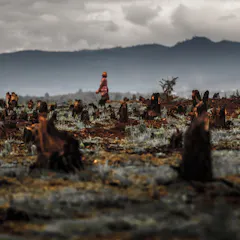
Our research shows we could feed the world sustainably – but conservation will have to become a lot more proactive.
Despite clear air as a result of the pandemic reducing human activities, our emissions still soar.
Top contributors
-

PhD Candidate, Conservation Policy, University of Oxford
-
Assistant Professor, Northumbria University, Newcastle
-
Professor of Ecology, Evolution and Environmental Biology, Columbia University
-
Postdoctoral Researcher, Oxford Martin Programme on the Future of Food, University of Oxford
-
PhD Candidate in Earth and Planetary Sciences, Harvard University
-
Senior Lecturer in Landscape Ecology, Swedish University of Agricultural Sciences
-
PhD in Bioenergy, Universidad Politécnica de Madrid (UPM)
-
Assistant Professor, Environmental Health, School of Public Health, Boston University
-
Adjunct Senior Research Fellow, University of New England
-
Lecturer in Sustainability and the Environment, University of Leeds
-
Postdoctoral research fellow, Lund University
-
Adjunct Professor, University of New England
-
Conservation Planning Biologist, Wildlife Conservation Society Canada and Adjunct Professor of Conservation Biology, University of Saskatchewan
-
Senior Research Fellow in Chemistry-Climate Interactions, Harvard University
-
Adjunct Professor of Energy, Murdoch University