
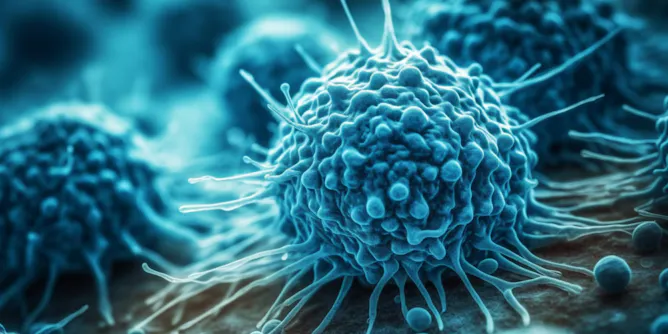
When faced with a threat, T cells have the decision-making flexibility to both clear out the pathogen now and ready themselves for a future encounter.
Articles on Killer T cells
Displaying all articles
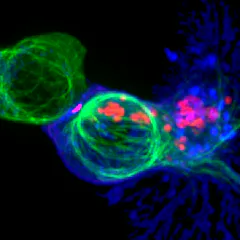
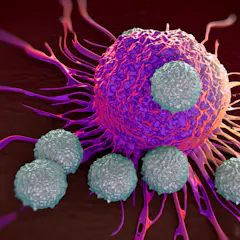
T cells recognize and kill cancer cells but quickly lose their effectiveness. This fast dysfunction may help explain why immunotherapy doesn’t lead to long-term remission for many patients.
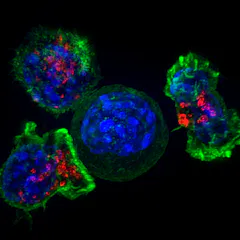
Immunotherapy has the potential to eliminate tumors, but works best for select patients. Engineering T cells to bypass cancer’s defenses could help expand treatment eligibility to more patients.
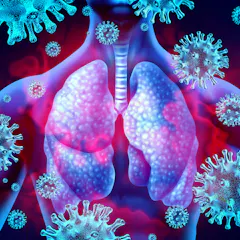
While a strong immune response is essential to fight against viral infection, an immune system that continues to stay active long after the virus has been cleared can lead to lung damage.
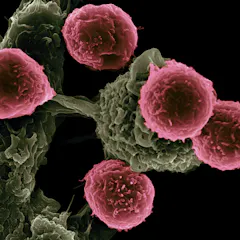
One promising cancer treatment has been in the works for decades, but severe side effects have kept it out of the clinic. A reengineered version may offer a way to safely harness its potent effects.

Research suggests that too-frequent immunizations may lead to a phenomenon called “immune exhaustion.”

Because COVID-19 is a relatively new virus, researchers still aren’t sure exactly how long vaccines and prior infections provide protection.

People with HIV need to take daily medication to keep the virus at bay. A study has found that a new treatment combination could boost immunity and control virus levels even after stopping medication.
Nobel laureate Peter Doherty explains immunity.
Top contributors
-

Professor of Pathology, Microbiology and Immunology, University of South Carolina
-
Professor of Pathology, Microbiology and Immunology, University of South Carolina
-
Assistant Professor of Medicine and Pathology, Vanderbilt University
-
Postdoctoral Researcher in Molecular Engineering, University of Chicago
-
Associate Professor of Bioengineering, University of Washington
-
Ph.D. Candidate in Bioengineering, University of Washington
-
MD-Ph.D. Candidate in Molecular Pathology and Immunology, Vanderbilt University
-
Laureate Professor Emeritus, The Peter Doherty Institute for Infection and Immunity
-
Assistant Professor of Medicine, University of California, San Francisco
-
Professor of Microbology and Immunology, Emory University
-
Ph.D. Candidate in Immunology, University of Virginia
-
Postdoctoral Fellow in Microbiology and Immunology, Emory University
-
Postdoctoral Fellow in Microbiology and Immunology, Emory University
-
Ph.D. Candidate in Bioengineering, University of Washington