

TV adventurer Bear Grylls is famous for his survival hacks. But when it comes to rehydrating by drinking your own pee, was he right?
Articles on Kidneys
Displaying 1 - 20 of 23 articles

Kidney stones are painful and surprisingly common this time of year. Here’s why and how to prevent them ruining your Christmas.
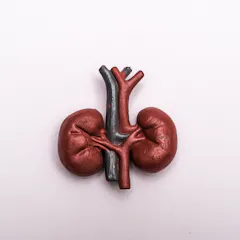
Leaky kidney filters linked to higher dementia risk.

For people with kidney failure, home dialysis can offer more freedom and better quality of life. So what’s stopping the NHS from supporting more people to choose it?

Kidney damage, then, can affect almost part of your body – but there are simple lifestyle changes you can make today to avoid harming your kidneys tomorrow.
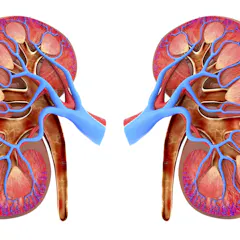
A study shows a significant genetic risk factor for kidney disease in people from Ghana and Nigeria.
Kidney disease often doesn’t show up until the damage is quite extensive. So take care of your kidneys, starting today.

Patients with kidney failure need regular dialysis treatments to survive. However, the equipment, supplies and medical staff needed for dialysis have been largely destroyed by the assault on Gaza.

Detox diets and cleanses supposedly clear the body of allegedly toxic substances. But the evidence suggests otherwise.

No, you’re not imagining it. You can pee more in winter. Mostly, there’s nothing to worry about. But it could be a sign of hypothermia.

New research supports kidney transplants from HIV-positive donors to recipients with HIV.

Stanford professor’s research has led to an increase in the number of kidney transplants in the United States.

One of the waste products that your kidneys put into your urine is a chemical called urobilin, and it is yellow.

Although certain racial minorities are more likely to be diagnosed with organ failure, they are less likely to be transplanted. What’s behind the gap?
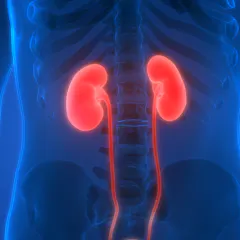
When my kidneys stopped working properly, my dad gave me one of his kidneys. Thanks, Dad.

Most of us get thirsty when we need to drink more water. But there are other tell-tale signs that not all is well.
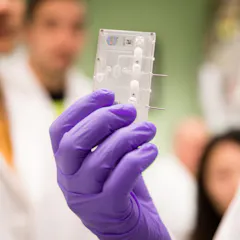
Researchers who’ve created a kidney-on-a-chip explain why these kinds of devices are an improvement over traditional ways to test new drugs.
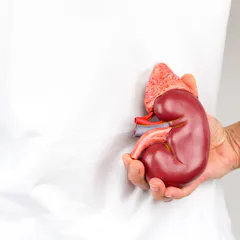
Chronic kidney disease is a global problem with about 10% of the world’s population suffering from the disease.
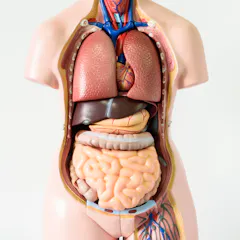
Not all body organs are vital.

An increase in child obesity is spurring on hypertension and diabetes among children, which may lead to chronic kidney disease.
Top contributors
-

Associate Professor of Pharmaceutics, University of Washington
-
Paediatric Nephrologist and Senior Specialist in the Department of Paediatrics and Child Health at the Faculty of Medicine and Health Sciences, Stellenbosch University
-
Senior clinical lecturer in nephrology, Newcastle University
-
Clinical senior lecturer, The University of Western Australia
-
Principle dietitian at the Nutrition Information Centre, Stellenbosch University
-
University of Washington
-
Senior Research Fellow, School of Medicine, The University of Western Australia
-
Research Assistant Professor of Pharmacy, University of Washington
-
Professor of Medicine, University of Sydney
-
Director of the Kidney Research Institute and Professor of Medicine, University of Washington
-
Senior specialist in the Division of Nephrology, Stellenbosch University
-
Professor, Murdoch Children's Research Institute
-
Professor of Kidney Care, London South Bank University
-
Registered Dietitian, University of Colorado Anschutz
-
Professor of Anatomy, Lancaster University