
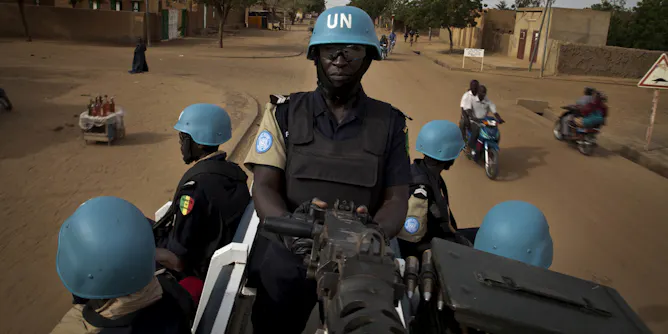
A child born into a community with a history of political unrest is at higher risk of abuse as they grow into a young adult.
Articles on Kenya
Displaying 21 - 40 of 1152 articles
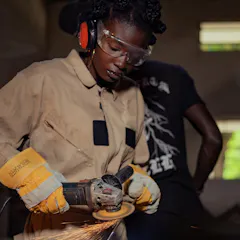
Youth employment programmes need to be built around real jobs, capable institutions and the young people they are meant to serve.

There have been notable examples of rating agencies differing significantly in their decisions on African institutions and countries.
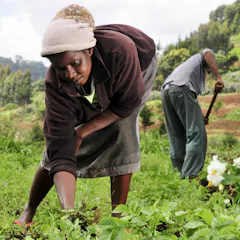
The increasing control of rural agricultural land by urban residents has implications for rural people and spaces.
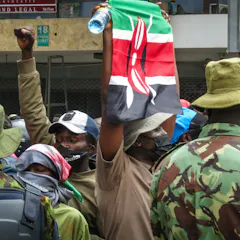
State spending has remained high despite public demands for greater fiscal discipline.
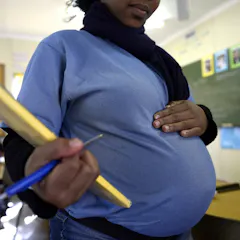
Programmes to address transactional sex need to be customised. The drivers change from country to country.
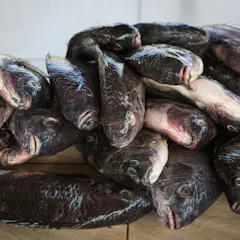
Navigating the benefits and risks of eating fish is a daily concern for consumers in Kenya due to persistent environmental pollution. How much are they influenced by nutritional labelling and guidelines?
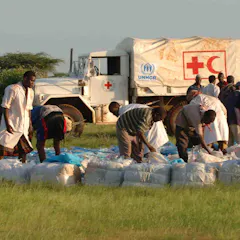
Kenya’s new refugee policy seeks to shift away from a camp-based system to one centred on inclusion into the local economy.
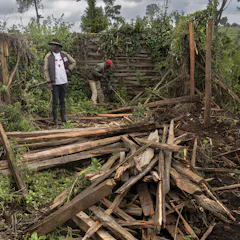
Efforts to protect land and environmental resources, including fighting climate change, often end up displacing people who have lived in those places for generations.

Instead of following European models, countries should take a more considered and contextualised approach to address AI risks.

Africa needs to navigate the tension between interdependence, economic security, and economic diversification.

The Kenyan state’s war against traditional brews is driven by a colonial mentality.
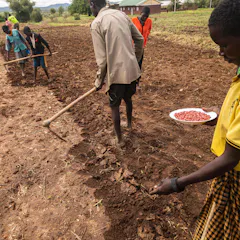
Figuring out how climate change will cause plant disease and pests to spread across Africa’s Great Lakes farms is critical for future food supplies.

The business start-up vibe of the Nairobi summit is no coincidence.
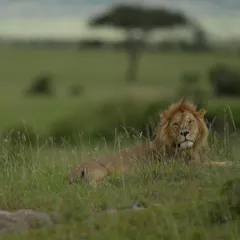
Tropes against African Indigenous communities linger and continue to shape conservation, which has led to “protective” and often punitive regulations.

An economist explores the gender data bias behind credit scoring and borrowing money from the bank that excludes women worldwide, denying them the same economic rights as men.
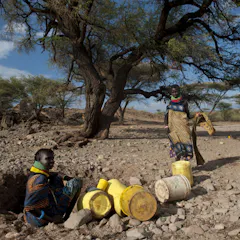
Climate change increases vulnerability to extremist recruitment, while al-Shabaab activity blocks adaptation, reinforcing a cycle of fragility.

The East African Community signalled that the bloc was ready to sideline countries that compromise funding.
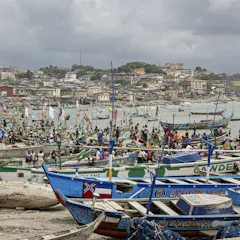
As ocean uses expand, it will be necessary to reduce disputes because they disrupt the environmental sustainability and equity central to a blue economy.
There is poor knowledge and a lack of clarity on international regulations governing trade in insects.
Top contributors
-

Professor of Democracy, University of Birmingham
-
Research Fellow, Tegemeo Institute, Egerton University
-
Professor, Faculty of Business and Management Sciences, University of Nairobi
-
Professor of Research, Foundations & Higher Education, Northern Arizona University
-
Professor, Weber State University
-
Professor and Chair of Allied Health Studies, Stephen F. Austin State University
-
Senior Research Scientist, African Population and Health Research Center
-
Professor of Comparative Politics, University of Warwick
-
Professor of Media Industries, University of Nottingham
-
Medical Entomologist at the School of Biological Sciences, University of Nairobi
-
Senior Research Scientist, African Population and Health Research Center
-
Research Scientist, African Population and Health Research Center
-
Adjunct Associate Professor, Departnent of Social Sciences, Pwani University
-
Associate Professor, Department of Entomology; African-American Studies, University of Illinois Urbana-Champaign
-
Associate professor, University of California, San Francisco