
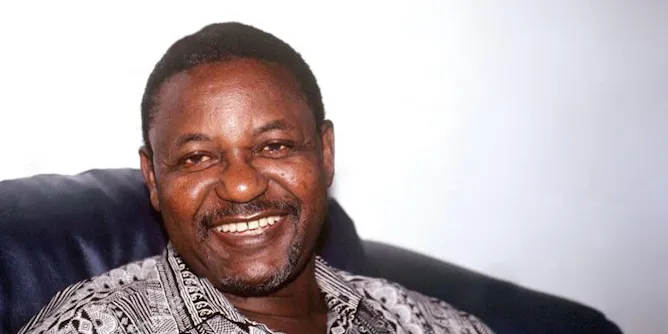
Peter Enahoro, Nigerian journalist, columnist and author, died on 24 April 2023.
Articles on Journalism
Displaying 241 - 260 of 921 articles

During Cooper’s long tenure as a senior executive, general manager and executive director, he changed the Associated Press and the news its readers and listeners depended on, in major ways.

Journalism only exists to serve the public, and every serious journalist feels this in their bones, just as we all know how often we fall short.
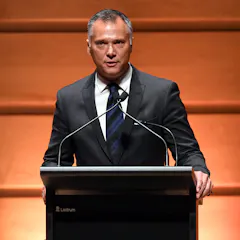
Stan Grant’s new book, The Queen is Dead, is revealing in terms of his decision to step down from public life. ‘I have been reminded what it is to come from the other side of history,’ he writes.
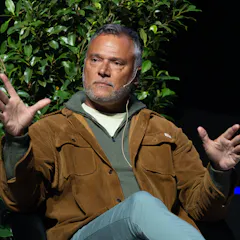
Racist abuse has forced Wiradjuri journalist, author and public figure Stan Grant to step away from the media. New research shows other diverse journalists have had similar experiences.
Fact-checking is important, but the contents need to be more visual to be able to attract more public audiences.
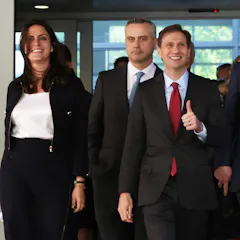
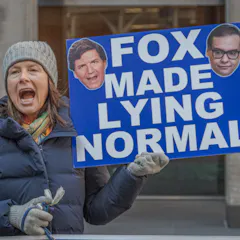
Dominion’s settlement of its defamation suit against Fox News provided a solution for Dominion – but it did nothing to help journalism.
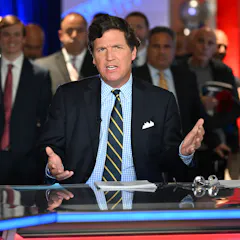
Tucker Carlson and his employer, Fox News, had an incredible understanding of what their audience wants: a kind of authenticity that is not genuine but instead manipulative.
Calling media organisations ‘government-funded’ risks turning people away from reliable sources of information.
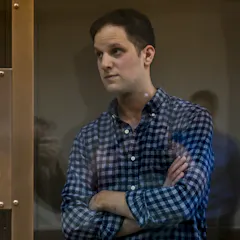
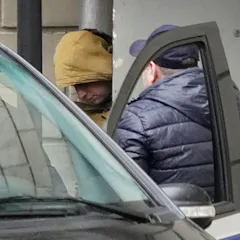
A scholar of Russia’s legal code explains the case against the Wall Street Journal reporter accused of espionage.
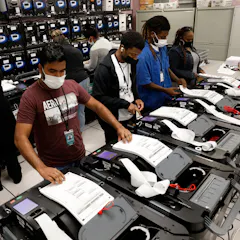
It’s far easier to throw around accusations of damage to one’s reputation than it is to actually prove it in court. A journalism scholar explains the criteria that must be met.
There is a growing public wariness about the performance of the media, which are increasingly accused of being partisan.
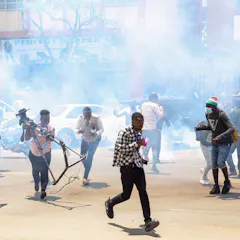
If truth is the first casualty of war, so are the journalists who risk their lives to report it.
A news organization doesn’t have to publish or broadcast the facts or the truth. And there are no standardized requirements to be a journalist.

Instead of simply applauding nudges, journalists should critically assess when and why governments use this tool.
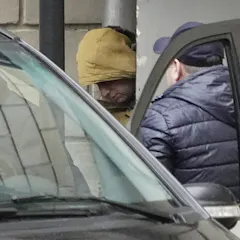
Wall Street Journal reporter Evan Gershkovich is far from the first American journalist to be accused of spying, a media historian explains.
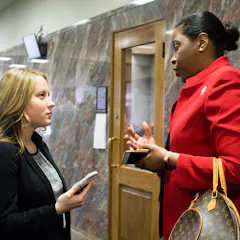
Where regular reporters have disappeared, university-led statehouse reporting programs have stepped in.
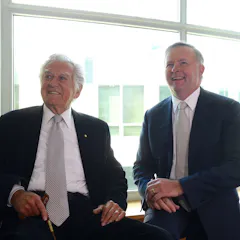
Chris Wallace’s book Political Lives entertains, but also does something far more valuable: it lights up the present by illuminating the past.
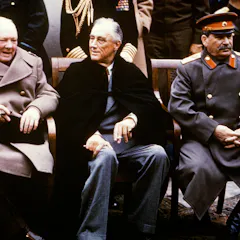
Putin’s rhetoric over Ukraine has roots in the end of the second world war, attitudes explained by Paul Winterton, a British journalist at the time.

The local news crisis is more than a problem of shuttered newsrooms and laid-off journalists. It’s a democracy crisis. And public radio can help fix it. But it needs more money and staff to do that.
Top contributors
-

Senior Research Fellow, Centre for Advancing Journalism, The University of Melbourne
-
Professor of Political Communication; Director CAJ, The University of Melbourne
-
Professor of Communication, Deakin University
-
Director of Undergraduate Studies, School of Journalism, Media and Cultural Studies, Cardiff University
-
Professor of Journalism, The University of Melbourne
-
Professor, Journalism, RMIT University
-
Professor of Communication and Journalism, University of Maine
-
Associate Professor of Communication, University of Utah
-
Professor of Journalism and Communications, Macquarie University
-
Professor in Media and Communication, Goldsmiths, University of London
-
Reader in International Journalism, City St George's, University of London
-
Emeritus Professor of Journalism, Cardiff University
-
Associate Professor, School of Media, Film and Journalism, Monash University
-
Visiting Professor of Practice (Journalism), City St George's, University of London
-
Professor and Chair, Department of Journalism, Stellenbosch University