
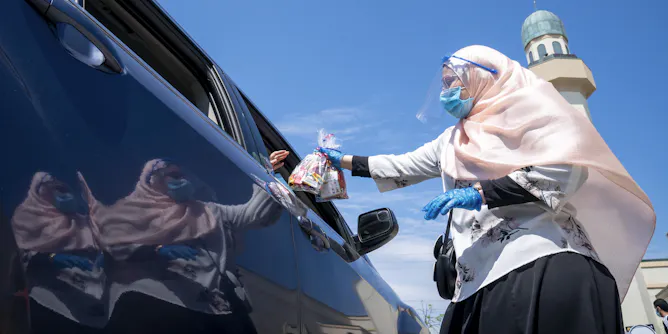
The public broadcast in Canada of the call to prayer during Ramadan this year caused some tensions. What the preliminary research has shown however, is that it wasn’t the noise people objected to.
Articles on Islamophobia
Displaying 121 - 140 of 268 articles
In the coronavirus pandemic, wearing a protective mask signifies a commitment to the social and collective good of society. But that changes when a face mask is worn by Black and racialized people.
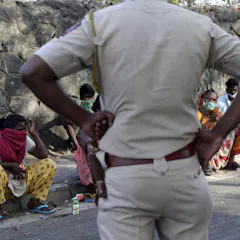
During the COVID-19 pandemic, India’s Narendra Modi government has been successful in scapegoating, discriminating against and marginalizing minorities, putting lives at greater risk.
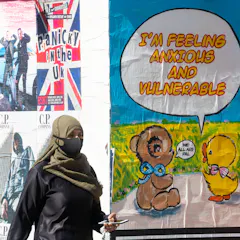
COVID-19 has led to a rise in Islamophobia, with fake news and racist memes shared online, new research finds.

As people everywhere don face masks, scarves and bandanas to protect against coronavirus, Muslim women who wear the niqab, or Islamic veil, are feeling a lot less conspicuous.
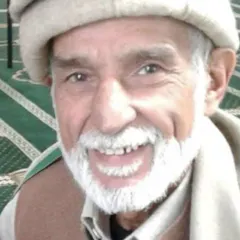
Haji-Daoud Nabi was a lifelong friend, who helped inspire my research in Afghanistan on how violent events shape people’s sense of community. I never thought my work would one day apply at home in NZ.
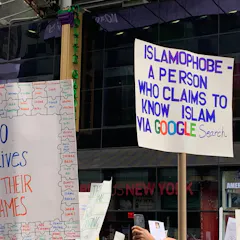
In retweeting a doctored image of Nancy Pelosi standing in a hijab in front of an Iranian flag, Trump is playing into fears that Iran and Islam are evil and anti-American.
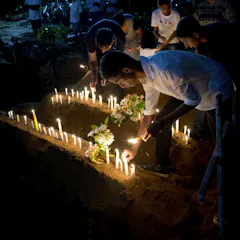
Violence against religious minorities around the world prompted the United Nations to mark a day for the victims in 2019. Here is a roundup of some key events around the world.

A list of 5 great reads for young critical thinkers and the adults in their lives — in time for holiday gift-giving.
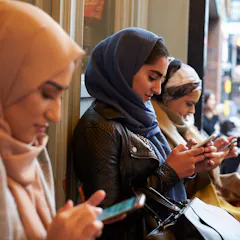
We hear much from politicians, community leaders and experts. But what do ‘everyday’ Jewish and Muslim people find offensive?
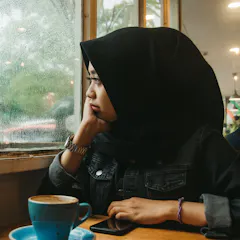
592 online and offline Islamophobia incidents were recorded in the last four years. But this represents only the tip of the iceberg.
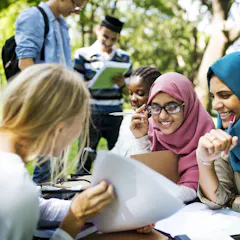
In the face of growing anti-Muslim sentiment, young Muslim Australians believe the power of contact and exchange can transform prejudice.

Aladdin draws on hundreds of years of anti-Muslim sentiment in western culture.
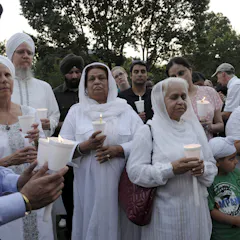
Sikh gurus adopted the turban, in part, to remind Sikhs that all humans are sovereign, royal and ultimately equal. But their attire can also lead to misunderstandings and at times, hate crimes.
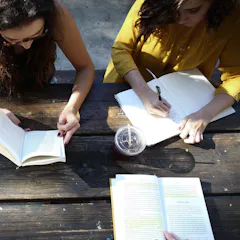
A recent study suggests that marginalized youth feel supported and more resilient when adults encourage their ideas and missions to combat stereotypes, racism and Islamophobia.
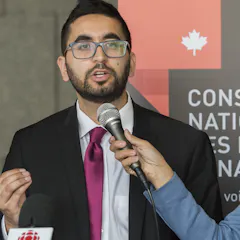
Québec schools must consider Bill 21’s potential impact on students. Bullying researchers have found links between publicly permitted behaviour and personal expression.
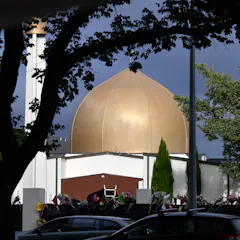
A survey of New Zealanders’ attitudes towards religious groups, taken after the Christchurch mosque shootings, shows they trust Buddhists most and Evangelicals least.

Faced with open and hidden prejudice, some British Muslims downplay their difference in public in order to succeed.
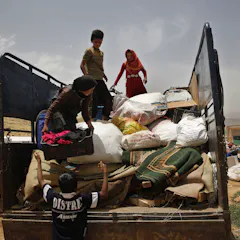
Will Syrian religious extremists migrate to the West as refugees in need – and then do harm? A team of researchers surveyed Syrian refugees in Lebanon, Jordan and Turkey to find out the answer.

The favourite to become the next prime minister has never felt the need to apologise for his offensive remarks about Muslim women.
Top contributors
-

Associate Professor, School of Criminology, University of Leicester
-
Professor of Sociology, Wilfrid Laurier University
-
Professor of Criminology, Birmingham City University
-
Professor of Islamic Studies, Head of School, The Centre for Islamic Studies and Civilisation, Charles Sturt University
-
Professor of Social Geography, Newcastle University
-
Associate Professor, Centre for Islamic Studies and Civilisation, Charles Sturt University
-
Professorial Fellow, University of Canberra
-
Senior Lecturer, Department of Sociology and Criminology, City St George's, University of London
-
Director, Centre for Western Sydney, Western Sydney University
-
Senior Lecturer in Czech Studies, University of Glasgow
-
Distinguished Professor/UNESCO Chair-holder; Founding Director, Deakin Institute for Citizenship and Globalisation (ADI)
-
Sessional Instructor, Department of Literature and Language, Concordia University of Edmonton
-
Senior Lecturer in Criminology, Nottingham Trent University
-
Professor in Cultural and Social Analysis, Western Sydney University
-
Associate Professor in Faith and Peaceful Relations at the Centre for Trust, Peace and Social Relations, Coventry University