
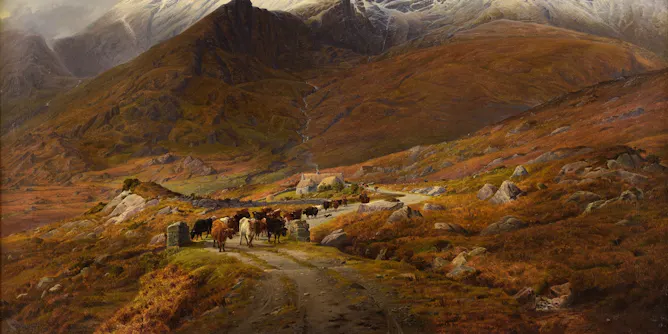
How can you map a changing landscape and retain its history and spirituality?
Articles on Irish history
Displaying 1 - 20 of 38 articles

Medieval Irish bees had a legal status because they were classified as domestic livestock.

The term Fenian can’t be untangled from a dark history of anti-Irish racism. That’s why Kneecap chose it.
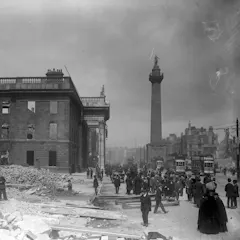
Much historical focus was on those who died fighting for Irish independence but researchers now have tools to dissect the impact of this period on those who survived
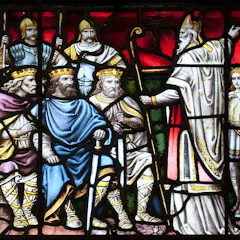
St Patrick was actually a Roman Briton, who was kidnapped by Irish raiders, spirited across the sea and enslaved, aged 16. How did he become Ireland’s national hero?

According to one tradition, both men knew one another closely and were each involved in promulgating Christianity in Ireland.

Long before Pittsburgh’s modern Irish celebrations existed, Irish immigrants helped shape the city in the 19th century via the railroads, canals and steel industry.

In the late 1600s, hundreds of Irish people were transported to Jamaica as labourers.
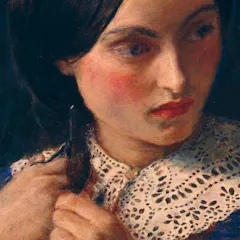
As a physical piece of a person that would outlast their human life, a lock of hair symbolised immortal love.
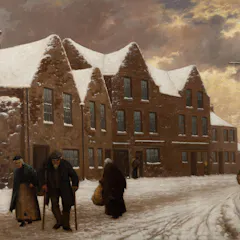
Irish people have historically looked to the natural world to forecast the weather and make sense of their surroundings.
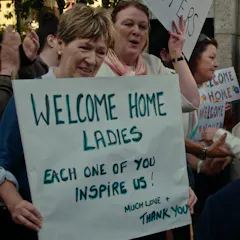
The trauma these women endured is unimaginable.

For the last few millennia, the changing of the seasons has been marked by Celtic peoples with festivals. And some of the costumes were genuinely terrifying.

The hip-hop group is directing the world’s attention to Gaza. But it’s not the first Irish republican group to protest the oppression of another colonised peoples.
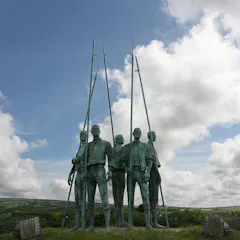
The 1798 rebellion aimed at creating a secular state with equal rights regardless of religion.
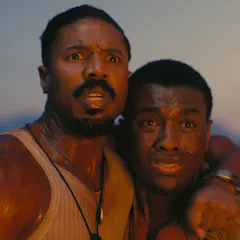
The film’s vampire, Remmick, has come to Mississippi from Ireland.
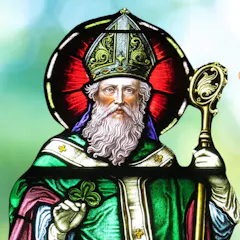
Hagiographies (writing on the lives of saints) give us a glimpse of the food culture of early medieval Ireland, when Patrick lived.
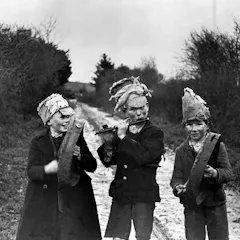
Still celebrated in parts of Ireland and in the diaspora, Wren’s day involves a parade where hunters sing at homes after catching a wren
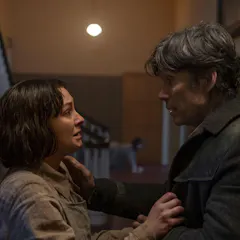
There is a slight tendency in the film to conflate the laundries with mother and baby homes.
The film explores how much easier is it to conform to social norms than step outside them.

Presidential candidate’s potential ties to an Irish slave owner complicate narratives around colonial legacies and the proper place of Black Irish identity in history.
Top contributors
-

Sessional Academic, School of Humanities, University of Tasmania
-
Lecturer in Criminology, University of Sheffield
-
Professor of Literature and Director of Irish and Irish American Studies, College of Charleston
-
Assistant Professor in Medieval History, University of Galway
-
Professor of Social History, London South Bank University
-
Fellow Emeritus in Film Studies, Trinity College Dublin
-
Director of Ireland's Great Hunger Institute, Quinnipiac University
-
Associate Professor, School of History and Geography, University of Limerick
-
Research Fellow in Politics, University of York
-
Post-Doctoral Research Associate and Project Coordinator, Aberystwyth University
-
Research Fellow, School of Languages and Applied Linguistics, The Open University
-
Lecturer in History, Teesside University
-
Associate Professor in American Literature, University of Leeds
-
Professor in Social Policy, Trinity College Dublin
-
Visiting Fellow in History, Anglia Ruskin University