
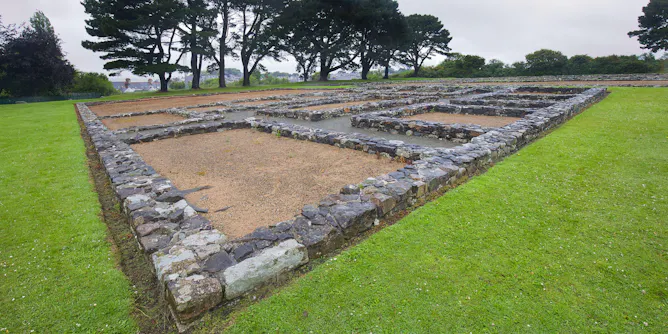
A new book reveals how Jews, Judaism, Israel and Palestine helped shape Welsh identity across centuries.
Articles on Welsh history
Displaying 1 - 20 of 44 articles
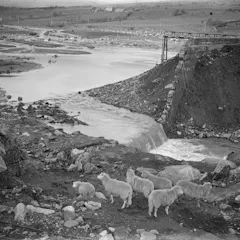
A century after a dam burst in Dolgarrog, killing 16 people, the Welsh village still lives with the legacy that reshaped UK safety laws and its own identity.

While thousands were executed for witchcraft across Europe, Gwen ferch Ellis was one of only five put to death in Wales.

The story of Welsh Patagonia is not quite the tale of settler and indigenous harmony that has always been told.
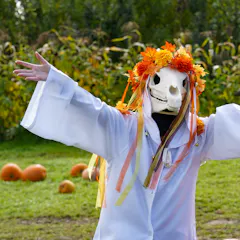
As the nights grow longer and colder, Wales’ ancient celebration, Nos Galan Gaeaf, brings forth some eerie customs.
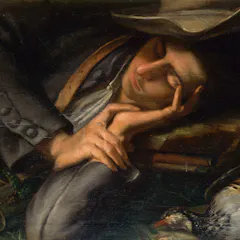
Many clues are revealed about people’s sleep thanks to Vicar Rhys Prichard’s poetry from the 1600s.
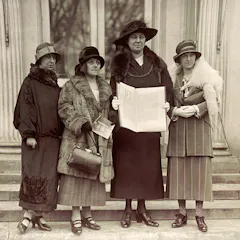
A tour of the US was the culmination of an extraordinary peace campaign that gathered 390,296 signatures from women all over Wales. So why does it not appear in any history books?
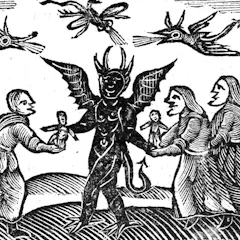
Only five witches were executed in Wales, while thousands were sentenced to death in Scotland and England.
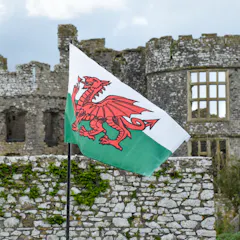
Being unable to agree on a united national memorial shows just how disunited Wales had been.
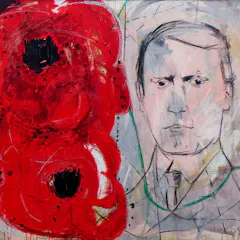
Bard Hedd Wyn was killed in action in France in 1917.

The Mari Lwyd and the plygain are two prominent Welsh traditions celebrated over Christmas and the new year.
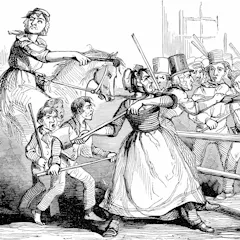
The Rebecca riots saw Welsh farmers disguised as women destroy tollgates as a way of challenging what they believed was an oppressive taxation system.
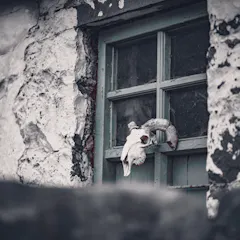
Nos Galan Gaeaf on October 31 in Wales is steeped in folklore and tradition.

More than 800 lives were lost in the Royal Charter storm but it also led to improvements in weather forecasting.
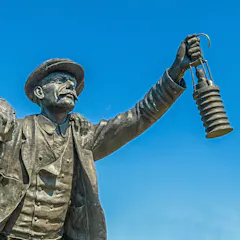
Four hundred and forty men and boys were killed in the Senghenydd colliery disaster, with the youngest victims aged just 14 years old.
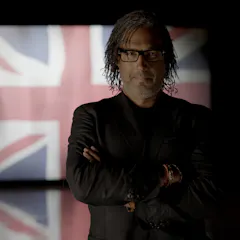
If history is to be of any use to those who study it, it ought to help them understand the nature of the country and society they live in.
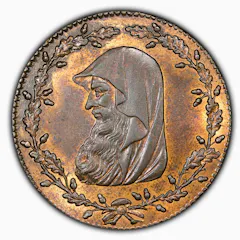
A Welsh mining company was the first to issue tokens to workers as an alternative form of payment.
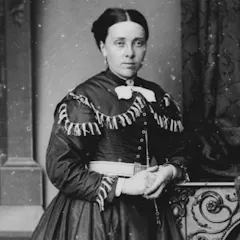
Roedd Cranogwen yn arloeswraig oherwydd iddi gyflawni gymaint yn ystod oes Fictoria, sef cyfnod lle nad oedd gan ferched lawer o hawliau.
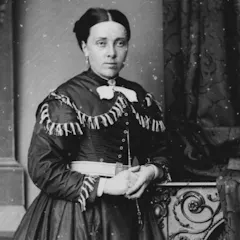
Cranogwen was a trailblazer who challenged expectations of women during the Victorian era.

The mountain range in south Wales is now officially only known by its native Welsh-language name
Top contributors
-

Lecturer in Medieval History, Cardiff University
-
PhD Candidate, Languages and Literature, Aberystwyth University
-
PhD candidate, Swansea University
-
Lecturer in Celtic Studies, Aberystwyth University
-
Emeritus professor of English, University of South Wales
-
Professor of Film and Media, Aberystwyth University
-
Professor of Welsh History, Bangor University
-
Emeritus Professor of Welsh, Cardiff University
-
Lecturer in Medieval and Welsh History, Bangor University
-
Junior Research Fellow, University of Cambridge
-
Reader in Early Modern History, Keele University
-
Post-Doctoral Research Associate and Project Coordinator, Aberystwyth University
-
Professor of Welsh and Celtic Studies, Aberystwyth University
-
Lecturer in Finance, Bangor University
-
Reader in Law, Cardiff University