
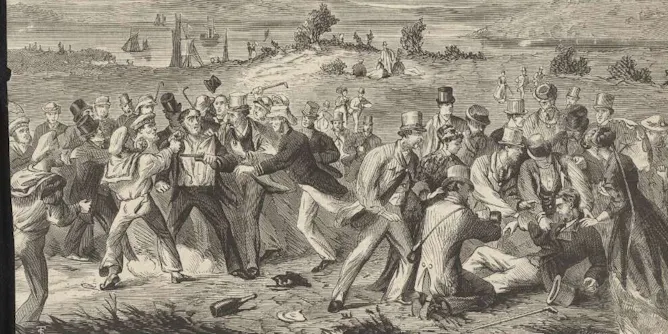
With a royal visit on the cards for later this year, it’s worth remembering the first one in 1867 – marred by violence, division and an escaped assassination attempt.
Articles on Irish history
Displaying 21 - 38 of 38 articles

New Irish prime minister takes over as the republic faces challenges that include a wave of xenophobia.
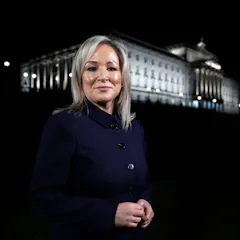
O'Neill has pledged to represent ‘Catholics, Protestants and dissenters’ but has made plain that she sees that as compatible with a referendum on Irish unity within a decade.
Ireland is to vote on modernising its conservative Catholic constitution in March.
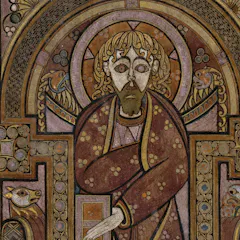
The pages of The Book of Kells certainly contain some of the elements that have been used to identify drug use in modern and contemporary art.
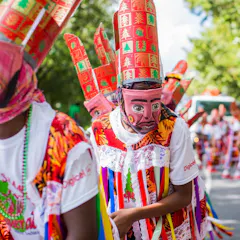
One prominent theme is a reevaluation of Ireland’s role in the transatlantic slave trade.
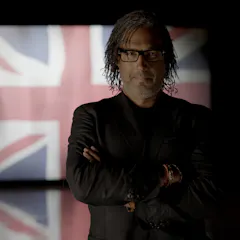
If history is to be of any use to those who study it, it ought to help them understand the nature of the country and society they live in.
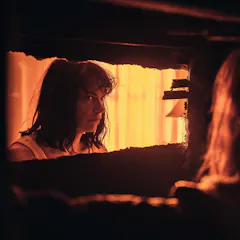
Set in the fictional town of Kilkinure in western Ireland, the BBC drama captures the story of an unmarried mother who was formerly detained in a Magdalene Laundry.
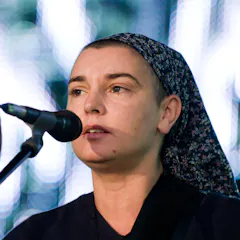
The yearning, tender sense of history animates all of O’Connor’s work – but especially these haunting songs
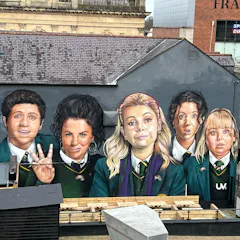
Twenty-five years after the Good Friday/Belfast Agreement, Northern Ireland is still resisting the culture of violence.
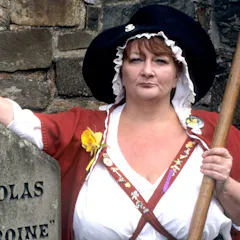
The last invasion of Britain involved bungled military plans, sozzled soldiers and a legendary Welshwoman wielding a pitchfork.

The discovery of a photograph of my grandmother perched on a bicycle holding a rifle was the first of many revelations about her life.
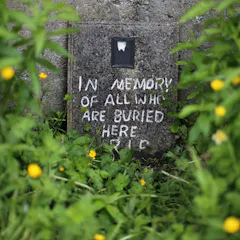
Most of those incarcerated in mid-20th century Ireland were held in psychiatric hospitals, which have kept their secrets until today. This must change.
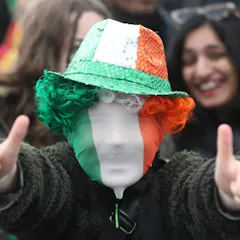
Irish language and culture, not Guinness and Leprechaun costumes, were at the heart of early St Patrick’s Day celebrations.
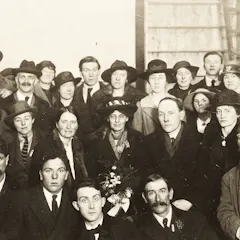
Irish Republican, socialist, suffragette and revolutionary, Countess Constance Markievicz was a fearsome politician who was the true first female member of the British parliament.
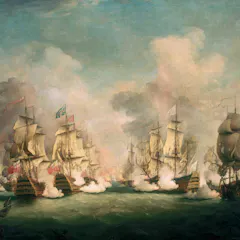
British is an imperial term, not a national one.
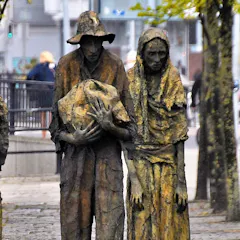
The famine caused a million deaths and scarred the national psyche for generations. How do you even start to try and represent that in film literature, or art?
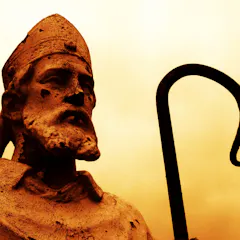
St Patrick chose Ireland over the place of his birth – but where was that exactly?
Top contributors
-

Sessional Academic, School of Humanities, University of Tasmania
-
Lecturer in Criminology, University of Sheffield
-
Professor of Literature and Director of Irish and Irish American Studies, College of Charleston
-
Assistant Professor in Medieval History, University of Galway
-
Professor of Social History, London South Bank University
-
Fellow Emeritus in Film Studies, Trinity College Dublin
-
Director of Ireland's Great Hunger Institute, Quinnipiac University
-
Associate Professor, School of History and Geography, University of Limerick
-
Research Fellow in Politics, University of York
-
Post-Doctoral Research Associate and Project Coordinator, Aberystwyth University
-
Research Fellow, School of Languages and Applied Linguistics, The Open University
-
Lecturer in History, Teesside University
-
Associate Professor in American Literature, University of Leeds
-
Professor in Social Policy, Trinity College Dublin
-
Visiting Fellow in History, Anglia Ruskin University